
Chronic pain can affect movement, sleep, concentration, work, and daily routines. Self-care cannot replace evaluation of an underlying condition, but consistent habits can help reduce flare-ups, preserve mobility, and make symptoms more manageable.
What counts as chronic pain?
Chronic pain generally lasts for three months or longer, either continuously or in recurring episodes. It may involve the back, neck, joints, muscles, nerves, or several areas at once. Common examples include persistent low back pain, arthritis-related discomfort, headaches, nerve pain, and pain that remains after an injury has healed.
Pain intensity is only one part of the picture. A useful self-care plan also considers:
- How far a person can walk or stand
- Whether sleep is interrupted
- Which activities trigger symptoms
- Changes in mood, energy, or concentration
- Whether pain is becoming more frequent or widespread
A daily pain rating can be helpful, but tracking function is often more informative. For example, being able to prepare a meal, take a short walk, or sleep through more of the night may represent meaningful progress even if some discomfort remains.
How can movement help without causing a flare-up?
Gentle, regular movement usually supports chronic pain management better than complete rest. The goal is not to push through severe pain. It is to maintain comfortable activity and gradually build tolerance.
Walking, light cycling, water exercise, stretching, and basic strengthening may be appropriate for many people. In a dense suburban community such as Lynbrook, everyday movement can include short walks for errands, taking stairs when comfortable, or adding brief movement breaks between household tasks.
Start below the level that usually causes a flare-up. A person might walk for five to ten minutes, perform a few gentle mobility exercises, or complete one set of strengthening movements. If symptoms remain stable, duration can increase gradually.
A useful rule is to monitor symptoms later the same day and the following morning. A mild, temporary increase may be manageable, but a sharp increase that lasts into the next day suggests that the activity was too intense, too long, or performed too quickly.
What is pacing, and why does it matter?
Pacing means dividing activities into manageable portions instead of alternating between overexertion and prolonged rest. Many people with chronic pain feel relatively capable on a good day and try to catch up on cleaning, exercise, errands, or home maintenance. The resulting flare-up can then limit activity for several days.
A pacing approach may include:
- Breaking larger chores into smaller tasks
- Alternating sitting, standing, and walking
- Resting briefly before pain becomes severe
- Using a cart, stable surface, or lighter load when appropriate
- Leaving extra time for dressing, commuting, or household routines
- Scheduling demanding activities across different days
Seasonal tasks can require additional planning. Cold weather may increase stiffness for some people, while snow, ice, or wet surfaces can raise the risk of slips. Wearing supportive footwear, clearing walking paths, and avoiding rushed outdoor chores can reduce unnecessary strain.
Can heat or cold provide relief?
Heat may ease muscle tightness and stiffness, especially before gentle movement. A warm shower or comfortably warm heating pad can be useful for a limited period. Cold packs may help with a recent increase in swelling or irritation.

Protect the skin by placing a cloth between the skin and the heat or cold source. Avoid sleeping with a heating pad in place, and stop if the skin becomes numb, painful, or unusually red. People with reduced sensation, circulation problems, or certain medical conditions should ask a qualified medical professional before using temperature-based treatments.
Heat and cold are comfort measures, not cures. They should support movement and daily function rather than replace evaluation when symptoms persist or change.
How do sleep and stress affect pain?
Poor sleep and ongoing stress can increase sensitivity to pain and make normal activities feel more difficult. Pain can also disrupt sleep, creating a cycle in which fatigue lowers coping capacity the next day.
Helpful sleep habits include keeping a consistent wake time, limiting stimulating activities before bed, and making the bedroom quiet, dark, and comfortably cool. If pain makes one position uncomfortable, pillows may be used to support the knees, arms, or neck without forcing the body into an unfamiliar posture.
Stress management does not mean that pain is “just psychological.” Breathing exercises, mindfulness, prayer, quiet music, journaling, and brief periods of relaxation may calm the nervous system and improve coping. Counseling or cognitive behavioral therapy can also help some people manage pain-related fear, frustration, low mood, or sleep problems.
What role do posture and daily ergonomics play?
There is no single perfect posture that prevents all pain. The more useful goal is to avoid staying in one position for too long and to vary how the body is used.
At home, consider adjusting frequently used items so they are not consistently stored too high, too low, or far away. During computer work, keep the screen near eye level, allow the shoulders to relax, and place the feet securely on the floor or a support. During phone use, avoid holding the head bent forward for long periods.
For lifting, move close to the object, use both hands when possible, and avoid twisting while carrying. A lighter load carried in two trips may be safer than one heavy load.
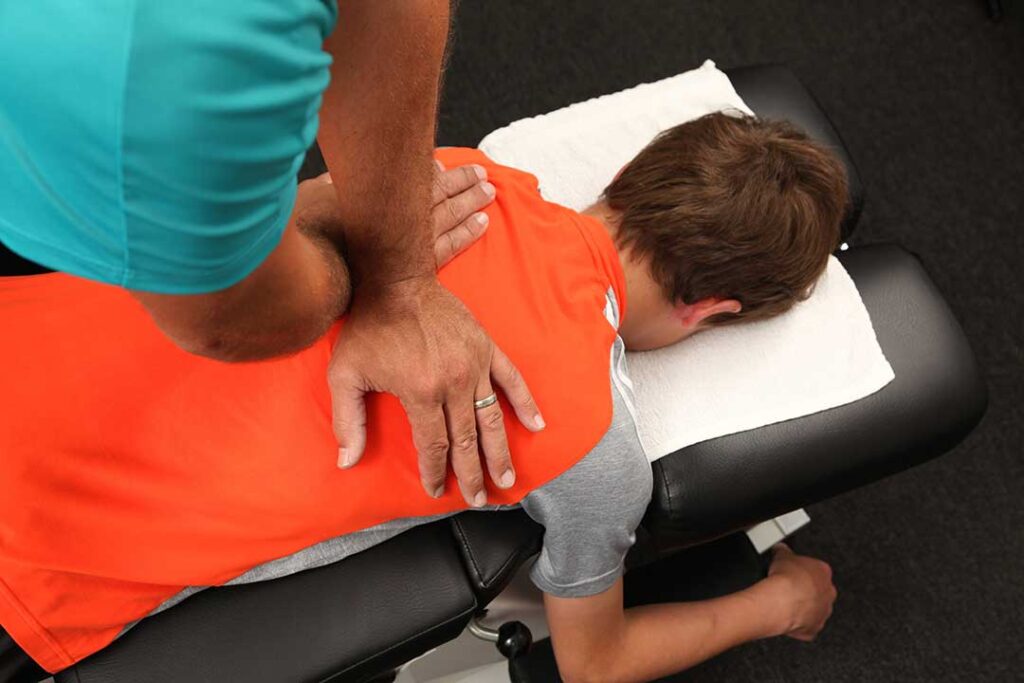
Chiropractic care, physical therapy, medical care, and other approaches may be used for different causes of pain. The appropriate option depends on the diagnosis, symptoms, medications, health history, and personal goals. Self-care works best as part of a coordinated plan rather than as a substitute for understanding the source of pain.
Should over-the-counter pain medicine be part of self-care?
Over-the-counter medicines may help some people, but they are not risk-free. Acetaminophen can affect the liver when taken in excessive amounts or combined with other products that contain it. Nonsteroidal anti-inflammatory drugs may irritate the stomach, affect kidney function, increase bleeding risk, or interact with medicines for blood pressure and other conditions.
Read the active ingredients and dosing directions carefully. A pharmacist or medical professional can help identify possible interactions, particularly for older adults, people with kidney or liver disease, those taking blood thinners, and anyone who is pregnant.
Medication should not be used to mask worsening symptoms so that a person can continue an activity that is causing injury.
When should chronic pain be evaluated promptly?
Seek urgent medical attention for pain accompanied by new weakness, loss of bladder or bowel control, numbness in the groin area, fainting, severe chest or abdominal symptoms, major trauma, or sudden neurological changes.
A routine medical evaluation is also appropriate when pain is steadily worsening, repeatedly interrupts sleep, causes unexplained weight loss or fever, produces progressive numbness, or substantially limits ordinary activities. New pain in a person with a history of cancer, significant infection risk, or long-term steroid use deserves particular attention.
A practical self-care plan should be specific and sustainable: identify aggravating activities, use pacing, move within comfortable limits, protect sleep, and record changes in function. These steps can provide useful information while helping residents manage daily life more safely.
