
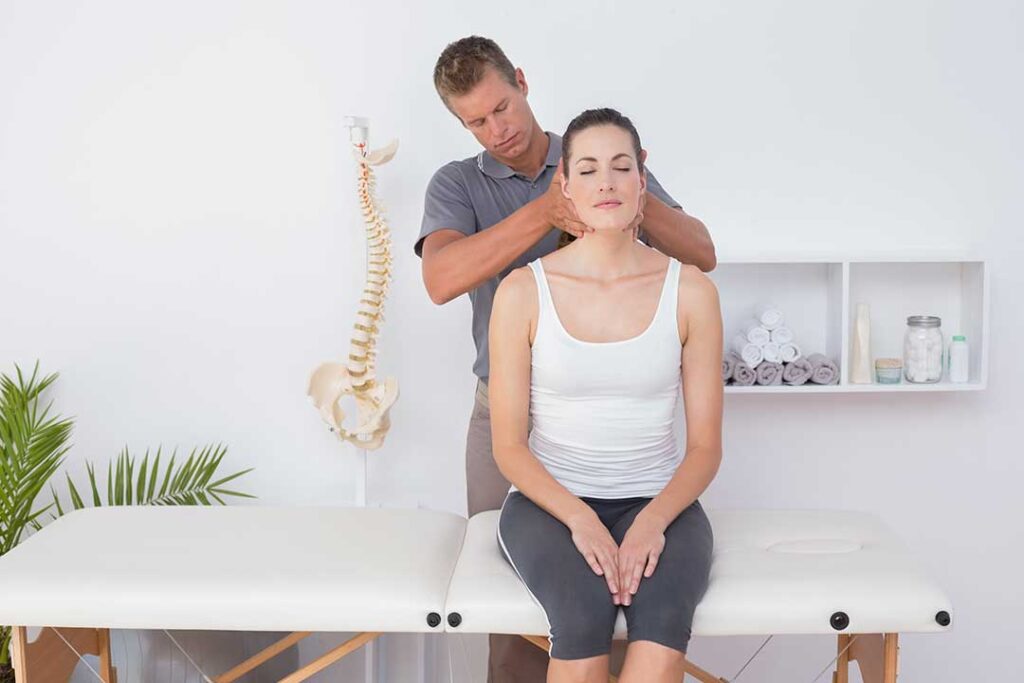
Simple mobility exercises can help people move more comfortably through everyday activities such as getting out of a chair, reaching overhead, turning to check a blind spot, or walking on uneven ground. These movements are different from intense workouts: the goal is controlled joint motion, steady breathing, and gradual improvement rather than forcing a stretch.
For residents of Lynbrook, NY, at-home mobility work can be especially useful during colder months, when people may spend more time indoors, or after long periods of sitting at a desk, commuting, or doing household tasks. A few minutes of gentle movement can be built into the day without special equipment.
What does mobility exercise mean?
Mobility refers to how comfortably and actively a joint can move through its available range. Flexibility is one part of mobility, but mobility also depends on muscle control, balance, coordination, and strength.
For example, reaching for a shelf requires more than flexible shoulders. The upper back, shoulder blades, arms, and trunk must work together. Similarly, walking up steps depends on the movement and control of the ankles, knees, hips, and spine.
Mobility exercises should feel smooth and manageable. A mild pulling sensation may be acceptable during a stretch, but sharp pain, numbness, tingling, or worsening symptoms are reasons to stop.
How should someone warm up before mobility exercises?
A short warm-up is helpful because it raises body temperature and prepares the joints for movement. Five minutes of easy walking around the home, gentle marching, or relaxed arm swings is usually enough for a basic routine.
Avoid beginning with forceful stretching when the body feels stiff or cold. Start with smaller movements, then gradually increase the range as the body becomes more comfortable.
A simple warm-up may include:
- Marching in place while keeping the steps controlled
- Rolling the shoulders forward and backward
- Opening and closing the hands
- Slowly shifting weight from one foot to the other
- Taking relaxed breaths while standing upright
The purpose is preparation, not fatigue.
Which exercises are useful for the neck and upper back?
Neck and upper-back mobility can be helpful for people who spend time looking down at phones, working at a computer, reading, or driving.
Gentle neck turns
Sit or stand tall with the shoulders relaxed. Slowly turn the head to the right as if looking over the shoulder, then return to the center. Repeat to the left.
Keep the chin level and avoid pushing into the end of the movement. Try five slow repetitions per side.
Chin nods
With the head in a comfortable neutral position, gently nod as if saying “yes.” The movement should be small and controlled. Avoid pulling the chin forcefully toward the chest.
This exercise encourages motion without placing the neck into a deep stretch.
Seated upper-back rotation
Sit near the front of a sturdy chair with the feet flat. Cross the arms over the chest or place the hands lightly on the shoulders. Turn the upper body to one side without lifting the hips, then return to the center and repeat on the other side.
Keep the movement comfortable. The goal is to rotate through the upper back rather than twisting aggressively through the lower back.
What can improve shoulder and chest mobility?
Shoulder stiffness may develop after extended sitting, repetitive household work, or limited use of the arms. Controlled movements are usually more useful than swinging the arms forcefully.
Wall-assisted shoulder slides
Stand with the back near a wall if comfortable. Place the arms in a relaxed “goalpost” position, with elbows bent. Slowly slide the arms upward only as far as the shoulders remain relaxed, then lower them.
If the back arches or the shoulders shrug, reduce the range. Repeat five to eight times.
Doorway chest opening
Stand in a doorway with the forearms resting lightly against the frame. Step forward a small amount until a gentle stretch is felt across the chest. Keep the ribs from flaring and avoid forcing the shoulders backward.
Hold for 15 to 20 seconds, then step back. This should feel like a mild opening, not a painful strain.
Which movements help the hips, knees, and ankles?

Lower-body mobility supports walking, stair use, getting up from a chair, and maintaining balance. A stable counter or heavy piece of furniture can provide support.
Sit-to-stand practice
Sit in a sturdy chair with the feet about hip-width apart. Lean the chest slightly forward and stand using the legs. Slowly sit back down without dropping into the chair.
Begin with five repetitions. Use the hands for support if needed, but aim to let the legs do as much of the work as is comfortable.
Supported hip movement
Stand beside a counter and hold it lightly. Move one leg forward and backward in a small, controlled arc. Keep the torso upright and avoid swinging.
Repeat five to ten times per side, then try moving the leg gently out to the side. Smaller movements are appropriate if balance is limited.
Ankle circles and heel raises
While seated, lift one foot slightly and make slow circles with the ankle. Change direction after several repetitions.
For heel raises, stand while holding a stable surface and slowly lift the heels, then lower them. Start with five repetitions. Keep the weight even between the feet and avoid bouncing.
How often should these exercises be done?
A short routine can be performed most days, especially if it is gentle and does not increase symptoms. Many people find it easier to practice for five to ten minutes rather than attempting a long session once a week.
A practical schedule might include:
- Neck and shoulder movements during a work break
- Sit-to-stand practice after a period of sitting
- Ankle mobility before walking
- A brief full-body routine in the morning or evening
Mobility exercises work best alongside regular walking and appropriate strength activity. They are not a replacement for general physical activity, and they do not need to be performed intensely to be useful.
What mistakes should be avoided?
Common problems include moving too quickly, holding the breath, forcing a joint beyond a comfortable range, or copying an exercise that does not match current ability.
Avoid stretching into sharp pain or trying to “push through” numbness, weakness, dizziness, or unusual joint instability. Do not use a rolling office chair, loose rug, wet floor, or unstable table for support. During colder weather, make sure the exercise area is warm, dry, and free of clutter.
People with a recent injury, significant joint swelling, balance problems, a known neurological condition, or a major health condition should get individualized medical guidance before starting a new exercise routine. Anyone who develops chest pain, severe shortness of breath, faintness, sudden weakness, or new loss of coordination should stop and seek urgent medical attention.
Mobility practice should leave the body feeling more prepared to move, not substantially worse. Progress can be measured by smoother movement, easier daily tasks, or a slightly more comfortable range—not by forcing a deeper stretch.
