

What is scoliosis?
Scoliosis is a sideways curve of the spine that may also include rotation of the vertebrae. The curve can look like a “C” or “S” shape, and it may be mild enough to cause no noticeable symptoms.
In children and teenagers, scoliosis is often discovered during a routine examination or when a parent notices uneven shoulders, a prominent shoulder blade, an uneven waistline, or one hip sitting higher than the other. In adults, symptoms may include back stiffness, muscle fatigue, pain after standing, or changes related to age-related arthritis.
The presence of a curve does not automatically mean that treatment is needed. Management depends on factors such as:
- The size and location of the curve
- Whether the person is still growing
- Whether the curve is changing over time
- Pain, weakness, numbness, or breathing problems
- The underlying cause of the scoliosis
An examination and, when appropriate, spinal imaging are needed to determine the type and severity of the condition.
Can chiropractic care straighten scoliosis?
Chiropractic care has not been shown to reliably straighten or permanently correct a structural scoliosis curve. Adjustments may improve movement in certain spinal joints and reduce muscle tension, but they should not be presented as a substitute for monitoring, bracing, specialized exercise, or surgery when those treatments are medically indicated.
This distinction matters because scoliosis is not simply a posture problem. A structural curve involves changes in the spine itself. Manipulating the spine may affect comfort and mobility without changing the underlying curve.
For someone in Lynbrook, NY, a reasonable approach is to view chiropractic care, if used, as one possible part of symptom management rather than as a cure. The treatment plan should be based on an established diagnosis and should account for age, bone health, previous injuries, medications, and any neurological symptoms.
What symptoms might chiropractic care help?
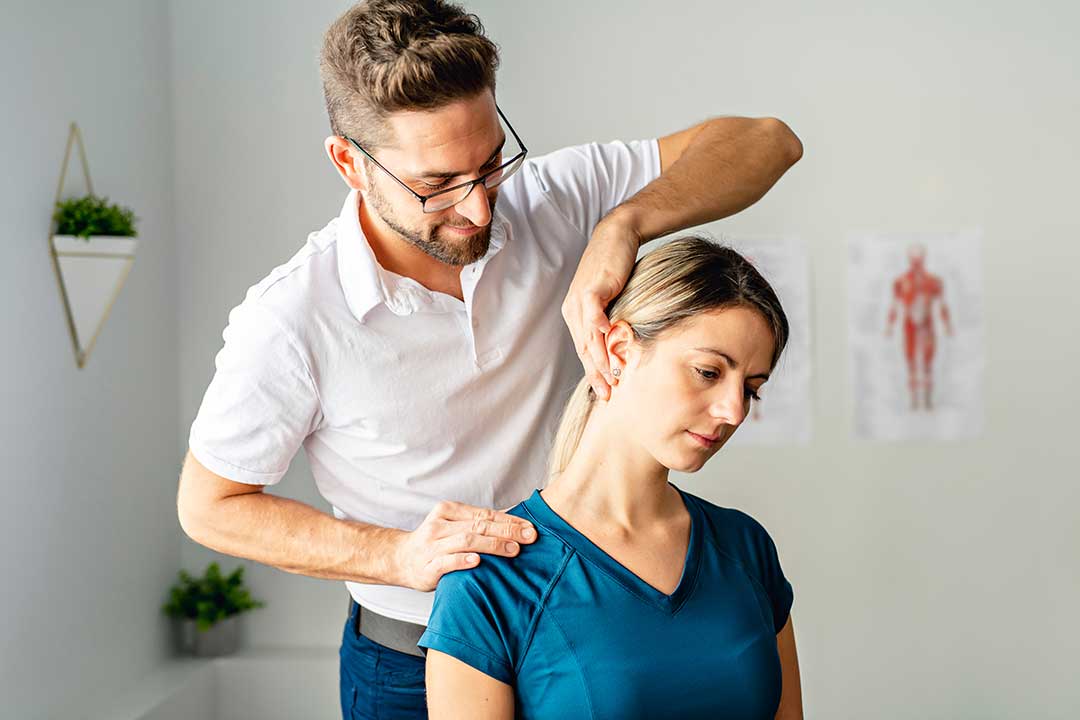
Some people with scoliosis experience discomfort from tight muscles, uneven loading, restricted joint motion, or associated arthritis. In those situations, carefully selected manual treatment may help with short-term symptoms such as:
- Local back soreness
- Muscle tightness or spasms
- Stiffness after sitting or standing
- Reduced spinal mobility
- Discomfort related to mechanical strain
These potential benefits are different from stopping curve progression. Pain relief can be meaningful, but it does not prove that the curve has improved.
A balanced care plan may also include therapeutic exercise, posture and movement education, strengthening of the trunk and hips, flexibility work, and guidance on pacing daily activities. Physical therapy is often useful because it can provide exercises tailored to the person’s curve, strength, balance, and functional goals.
Should children with scoliosis receive chiropractic adjustments?
Children and teenagers with a suspected spinal curve should first receive an appropriate medical evaluation. The main concern during growth is whether the curve may progress. Observation, periodic measurements, bracing, and surgery are the established options used for monitoring or managing progressive curves, depending on severity and skeletal maturity.
Chiropractic adjustments should not replace follow-up imaging or an orthopedic assessment when a child has confirmed scoliosis. There is not strong evidence that chiropractic manipulation prevents a growing curve from worsening.
Children may still need help with pain, muscle imbalance, sports participation, or general movement. Those goals can sometimes be addressed through exercise-based care coordinated with the child’s medical team. A treatment plan should be especially cautious if the child has unusual pain, rapid changes in posture, weakness, or a history of significant injury.
What about adults with scoliosis?
Adult scoliosis may be longstanding or may develop as the spine changes with aging. Degenerative changes, narrowed joints, disc problems, and reduced muscle strength can add to the discomfort.
For adults, conservative care often focuses on improving function and managing symptoms. Chiropractic treatment may be considered when the primary problem is mechanical back pain and there are no warning signs that require a different evaluation. Gentle mobilization, soft-tissue work, and exercise-based strategies may be more appropriate than forceful techniques in some cases.
Adults should not assume that all back pain is caused by scoliosis. A new or rapidly worsening symptom may come from a disc, nerve, fracture, infection, inflammatory condition, or another problem unrelated to the curve.
Seasonal routines can also influence symptoms. Long periods of sitting indoors during colder weather, reduced walking, shoveling, carrying household items, or awkward lifting can increase muscle strain. These activities may aggravate pain without changing the actual spinal curve.
When should someone seek medical evaluation first?
A medical evaluation is particularly important before spinal manipulation when scoliosis is accompanied by:
- Numbness, tingling, or weakness in an arm or leg
- Pain traveling down the leg
- Loss of balance or difficulty walking
- Changes in bladder or bowel control
- Fever, unexplained weight loss, or feeling seriously unwell
- Pain that is severe, constant, or worse at night
- A recent fall, collision, or other injury
- A known history of cancer, osteoporosis, or spinal infection
- Shortness of breath or reduced exercise tolerance
These symptoms may signal nerve compression, fracture, infection, or another condition requiring prompt assessment.
How is scoliosis monitored?
The size of a scoliosis curve is commonly measured on an X-ray using the Cobb angle. One measurement alone does not tell the entire story. Age, growth, symptoms, curve location, balance, and changes over time also matter.
For a growing child with a mild curve, observation may be appropriate. A moderate curve may lead to discussion of bracing, while a severe or progressive curve may require evaluation for surgery. Adults may be monitored based on symptoms, functional changes, and evidence of progression.
Keeping a record of pain patterns, activity limitations, numbness, and changes in posture can make follow-up visits more useful. It is also helpful to bring information about prior imaging, operations, fractures, and current medications.
The practical answer
Chiropractic care may help some people with scoliosis manage pain, stiffness, and movement limitations, particularly when combined with appropriate exercise and broader medical oversight. Current evidence does not support chiropractic adjustments as a dependable method for straightening a structural curve or preventing scoliosis from progressing.
The safest plan begins with an accurate diagnosis, realistic treatment goals, and regular monitoring when growth or curve progression is a concern. For local residents, that may mean accounting for everyday demands such as commuting, prolonged sitting, household lifting, winter activities, and maintaining regular movement throughout the year.
