
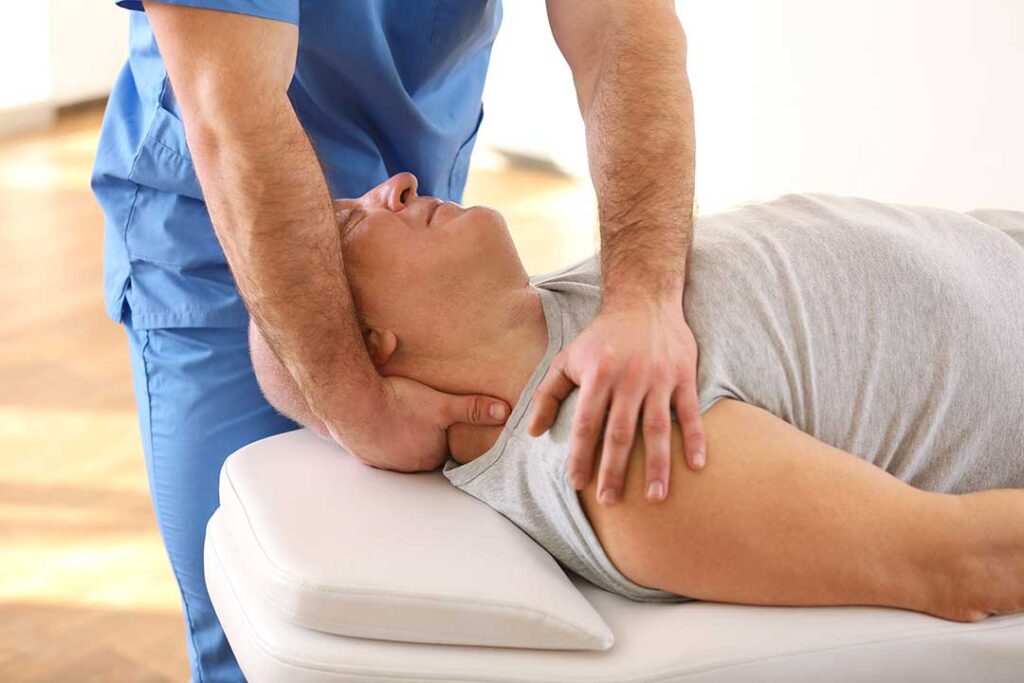
Mobility is the ability to move a joint or the whole body comfortably through the range needed for daily life. It affects how easily a person walks, climbs stairs, gets out of a chair, reaches overhead, carries groceries, or turns the head while driving.
For residents of Lynbrook, NY, mobility can be influenced by work routines, commuting, household tasks, aging, previous injuries, and seasonal conditions. Cold weather may encourage people to stay indoors, while snow, ice, or wet pavement can change walking patterns and increase fall risk. Natural mobility strategies focus on regular movement, gradual strengthening, flexibility, balance, sleep, and practical changes at home.
What natural methods can improve mobility?
The most dependable approach is a combination of gentle aerobic activity, strength training, flexibility work, and balance practice. No single stretch or supplement can replace consistent movement.
Walking is a useful starting point because it supports circulation, leg strength, coordination, and endurance. It can be divided into shorter sessions if a continuous walk feels difficult. A few minutes of walking around the home, workplace, or neighborhood several times a day may be more manageable than trying to complete one long session.
Other low-impact options include:
- Water-based exercise
- Stationary cycling
- Gentle yoga
- Tai chi
- Dancing at a comfortable pace
- Repeated sit-to-stand movements from a sturdy chair
The right activity is one that can be performed consistently without causing escalating pain, unusual weakness, or loss of balance.
How does strength training support movement?
Strength training helps the muscles control joints and stabilize the body. Stronger legs and hips can make stairs, standing, and walking easier, while stronger back and abdominal muscles can support posture and lifting mechanics.
A basic home routine might include:
- Sit-to-stand repetitions from a firm chair
- Wall push-ups
- Heel raises while holding a counter
- Step-ups on a secure, low step
- Light resistance-band exercises
- Gentle bridges performed on a stable surface
Beginners can start with one set of several controlled repetitions and increase gradually. The movement should remain smooth rather than rushed. Mild muscle effort is expected, but sharp pain, joint locking, or a sudden loss of control is not a normal goal.
Adults are generally encouraged to include muscle-strengthening activity at least twice each week, with rest for heavily worked muscle groups between sessions. People with osteoporosis, recent surgery, significant arthritis, or a history of falls may need a more individualized plan.
Which stretches are useful for stiff joints?
Stretching can help maintain flexibility, but it works best when paired with regular movement. Muscles are easier to stretch after a short warm-up, such as five minutes of easy walking or gentle marching in place.
Common areas of stiffness include the calves, hips, hamstrings, chest, shoulders, and upper back. A stretch should create mild tension without forcing the joint. Hold a comfortable position while breathing normally, then release slowly.
Useful mobility movements include:
- Ankle circles while seated
- Gentle knee straightening
- Shoulder rolls
- Slow neck turns within a comfortable range
- Hip marching while holding a stable surface
- Reaching the arms overhead without arching the back
Stretching should not be used to push through pain. If a joint becomes increasingly swollen, warm, unstable, or painful after stretching, stop the activity and reassess the approach.
Why are balance exercises part of mobility?
Mobility is not only about flexibility. Balance, reaction time, leg strength, vision, and foot control all affect whether a person can move safely.

Balance practice can be simple. While standing near a counter or sturdy chair, a person might practice shifting weight from side to side, standing with feet closer together, walking heel to toe, or briefly lifting one foot. The surface should be clear, dry, and well lit. Stable shoes are preferable when practicing balance.
For older adults, balance activities several times per week may help maintain confidence and reduce fall risk. Tai chi, controlled yoga, and repeated chair rises combine balance with strength and coordination.
Winter conditions require extra caution. Ice, slush, wet entryways, and bulky clothing can make normal walking more difficult. Clearing walkways, improving indoor lighting, using handrails, and slowing down on slick surfaces are practical mobility measures, not signs of weakness.
Can posture and daily habits affect mobility?
Yes. Remaining in one position for long periods can make the hips, back, shoulders, and neck feel stiff. This is common among people who work at a desk, drive frequently, watch television for extended periods, or perform seated tasks at home.
Helpful adjustments include changing position every 30 to 60 minutes, taking brief walking breaks, and alternating seated tasks with standing activities. A chair should allow the feet to rest on the floor, with the screen close to eye level when computer work is involved.
Household habits also matter. Frequently used items can be stored between waist and shoulder height to reduce repeated bending or overhead reaching. Carrying heavy bags on one side can place uneven demands on the neck, shoulders, and back. Dividing loads between two lighter bags may improve control.
Good mobility does not require perfect posture at every moment. Frequent position changes and adequate strength are usually more practical than trying to hold one rigid position all day.
Do heat, cold, or supplements improve mobility?
Heat may temporarily ease the sensation of muscle stiffness, especially before gentle movement. A warm shower or heating pad used according to safety instructions can help some people move more comfortably. Heat should not be applied to numb skin or areas with reduced sensation.
Cold packs may reduce discomfort after a minor strain or activity-related irritation, but they should be wrapped in cloth and used for limited periods. Neither heat nor cold corrects an underlying injury.
Supplements should be approached cautiously. Products marketed for joints, inflammation, or flexibility can interact with medications and may not be appropriate for people with kidney, liver, bleeding, or other health conditions. Food, hydration, sleep, and regular activity generally provide a more reliable foundation than unverified mobility products.
When should limited mobility be evaluated?
New or worsening mobility problems deserve attention when they interfere with walking, work, sleep, personal care, or household activities. Medical evaluation is especially important after a fall, accident, suspected fracture, or sudden change in strength.
Urgent care may be needed for symptoms such as:
- Sudden weakness or numbness on one side
- New loss of bladder or bowel control
- Severe pain after an injury
- Inability to bear weight
- Chest pain, fainting, or severe shortness of breath
- A rapidly swollen, red, or unusually hot joint
- Fever combined with severe back or joint pain
Persistent discomfort can have many causes, including muscle strain, arthritis, nerve irritation, tendon problems, or an issue outside the musculoskeletal system. A chiropractor, physical therapist, physician, or other qualified clinician may help determine which movements are appropriate when symptoms do not improve or when the cause is unclear.
A practical mobility plan should begin below the point of strain and progress gradually. The goal is not to force a joint farther, but to make ordinary movement more comfortable, controlled, and dependable.
