

Recurring neck pain is often linked to repeated daily strain rather than a single cause. Long periods at a computer, looking down at a phone, poor sleep positioning, muscle weakness, stress, and previous injuries can all contribute. Preventing another episode usually requires changing the habits that keep irritating the neck while gradually restoring comfortable movement and strength.
Why does neck pain keep returning?
Neck pain can return when the original aggravating factor has not changed. A person may feel better after resting for several days, then spend hours in the same seated position, carry a heavy bag on one shoulder, or sleep with the head turned sharply. The symptoms may come back because the neck is being exposed to the same stress.
Common contributors include:
- Holding the head forward while using a laptop or phone
- Working at a counter, desk, or workbench without changing position
- Driving or commuting for long periods with limited movement
- Reaching overhead or lifting with the neck and shoulders tense
- Sleeping on the stomach or using a pillow that bends the neck
- Sudden increases in exercise, household work, or outdoor activity
- Stress-related tightening of the jaw, shoulders, and upper back
The goal is not to keep the neck rigid. Healthy prevention depends on comfortable movement, varied positions, and enough strength to support everyday activities.
How should a workstation be arranged?
A well-arranged workstation reduces the amount of time the head stays tilted forward. The top portion of a computer screen should be near eye level, and the screen should be close enough that reading does not require leaning toward it.
Keep the following adjustments in mind:
- Let the feet rest flat on the floor or on a stable footrest.
- Keep the hips and knees comfortably supported.
- Place the keyboard and mouse close enough that the elbows remain near the body.
- Relax the shoulders instead of lifting them toward the ears.
- Use a chair that supports an upright, comfortable position.
- Avoid working for hours from a couch or bed if the neck is bent forward.
There is no single perfect posture that must be held all day. Even a good position can become uncomfortable if it is maintained without interruption. Changing position every 30 to 60 minutes, standing briefly, and moving the shoulders can be more useful than trying to sit perfectly still.
In homes where space is limited or rooms serve several purposes, a temporary work area may need frequent adjustments. A small change, such as raising a laptop on a stable surface and using a separate keyboard, can reduce prolonged neck bending.
What should residents know about phone and tablet use?
Looking down at a handheld device for long periods can overload the muscles at the back of the neck. This is especially common during extended messaging, reading, gaming, or watching videos.
Raise the device closer to eye level when possible. Support the arms on a pillow, armrest, or table so the shoulders do not remain tense. Rather than holding the neck in one position, alternate hands, change positions, and take short visual and movement breaks.
A useful rule is to notice discomfort early. Mild stiffness after a brief period may be a signal to move, not something to ignore until pain becomes severe.
Can exercise help prevent recurring symptoms?
Regular movement can help maintain neck and upper-back mobility, while general physical activity supports muscle endurance. Gentle exercises are usually more useful than forceful stretching or sudden neck movements.
Depending on comfort, a routine may include:
- Slow shoulder rolls
- Gentle chin tucks without forcing the head downward
- Comfortable side-to-side neck rotation
- Upper-back movement, such as drawing the shoulder blades gently together
- Walking or other low-impact activity
- Gradual strengthening of the upper back and shoulder muscles
Exercises should be controlled and should not cause sharp pain, increasing numbness, dizziness, or symptoms that travel into an arm. A mild stretch may be acceptable, but repeatedly pushing through worsening pain can prolong irritation.
People who have recently had an injury, surgery, significant weakness, or pain extending into the arm should obtain individualized medical guidance before beginning a new exercise program.
Does sleep position affect neck pain?
Sleep habits can either reduce or reinforce neck strain. The head should remain reasonably aligned with the body rather than being pushed sharply forward, backward, or to one side.
A pillow that is too high can bend the neck upward. A pillow that is too thin may allow the head to drop toward the mattress. The correct height depends on body shape, sleeping position, and mattress firmness.
Side and back sleeping are generally easier on the neck than sleeping face down because stomach sleeping often requires the head to remain turned for hours. If side sleeping, the pillow should fill the space between the head and mattress without forcing the neck upward. If back sleeping, a smaller amount of support may be more comfortable.
Pillow changes should be made gradually. A new pillow is not automatically better if it causes morning stiffness or headaches.
How can lifting and household tasks be made safer?
Neck pain may flare during seasonal cleaning, moving household items, gardening, snow-related chores, or other tasks that involve repeated bending and carrying. The neck often becomes tense when a person lifts while looking upward, twisting, or holding the breath.
To reduce strain:
- Keep loads close to the body.
- Turn with the feet instead of twisting the neck and trunk together.
- Divide heavy items into smaller loads.
- Use both hands when practical.
- Take brief breaks during repetitive work.
- Avoid carrying a heavy bag on one shoulder for long periods.
- Warm up with easy movement before demanding activity.
During colder months, slippery surfaces can also increase the risk of falls and sudden neck injuries. Keeping walkways clear, using appropriate footwear, and moving carefully in icy conditions are practical prevention steps.
What if stress seems to trigger neck tightness?
Stress can increase unconscious tightening in the jaw, shoulders, and upper back. This does not mean the pain is imaginary. Muscle tension can become a real physical source of stiffness and discomfort.
Short breathing breaks, regular walking, unclenching the jaw, and deliberately lowering the shoulders may help. It can also be useful to notice whether neck pain appears during concentrated work, difficult conversations, poor sleep, or long periods of driving.
A consistent daily routine is usually more helpful than waiting for a severe flare-up. Brief movement breaks throughout the day can interrupt the cycle of tension before it becomes painful.
When should recurring neck pain be evaluated?
Recurring symptoms deserve medical evaluation when they are becoming more frequent, lasting longer, limiting normal activity, or requiring repeated self-treatment. Prompt evaluation is particularly important when neck pain is accompanied by:
- Numbness, tingling, or weakness in an arm or hand
- Trouble walking, poor balance, or loss of coordination
- Severe headache, fever, or unusual illness
- Pain after a fall, collision, or other significant injury
- Loss of bladder or bowel control
- Unexplained weight loss or pain that is severe at night
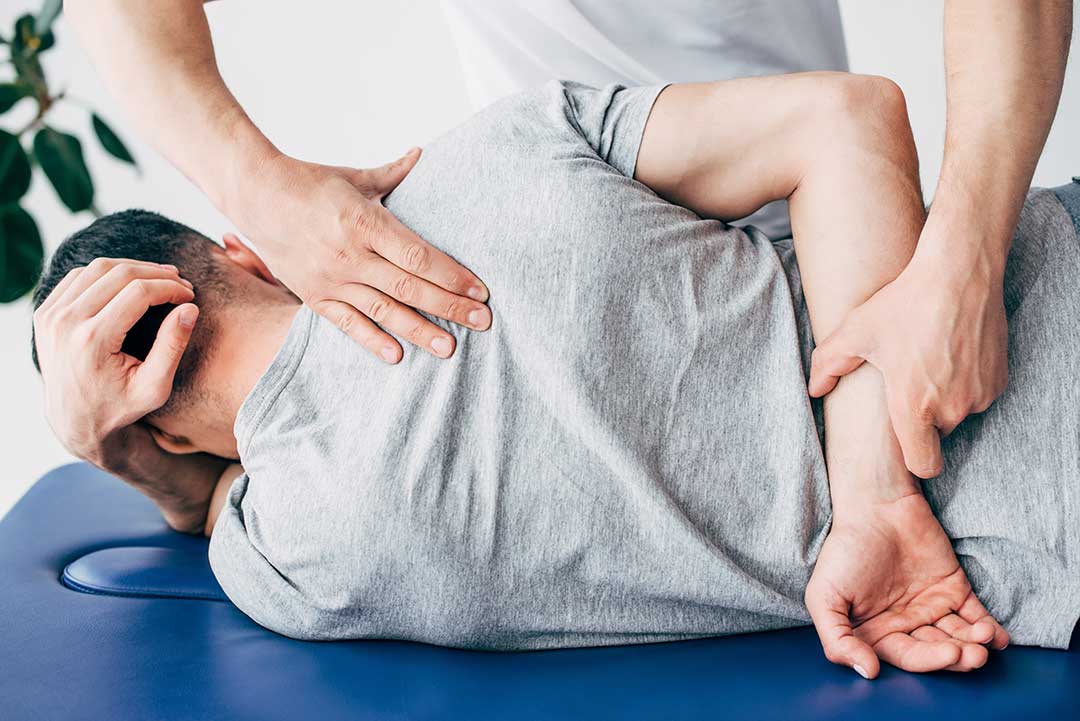
After an injury, severe neck pain should not be forced through with stretching or manipulation. The safest prevention plan depends on the cause, especially when nerve symptoms, arthritis, disc problems, or other medical conditions may be involved.
For many people, preventing recurrence involves a combination of better screen positioning, more frequent movement, gradual strengthening, suitable sleep support, and safer lifting habits. Tracking when symptoms appear can help identify the specific routine or activity that needs to change.
