
Chronic pain can affect movement, sleep, work, mood, and household routines. Self-care does not mean ignoring pain or managing it alone. It means using safe, repeatable habits that support daily function while staying alert to symptoms that require medical evaluation.
What counts as chronic pain?
Chronic pain generally lasts for three months or longer, either continuously or in recurring episodes. It may follow an injury, arthritis, nerve irritation, surgery, inflammation, or another health condition. Sometimes the original cause improves while the nervous system remains unusually sensitive to normal movement or pressure.
The goal of self-care is not always complete elimination of pain. A more realistic goal may be walking farther, sleeping more consistently, completing household tasks, or having fewer severe flare-ups.
How can movement help without making pain worse?
Gentle, regular movement is usually more helpful than alternating between complete rest and strenuous activity. Staying still for long periods can lead to stiffness, reduced strength, and greater sensitivity when normal activity resumes.
Start below the level that triggers a significant flare-up. Examples include:
- A few minutes of easy walking indoors or outdoors
- Gentle range-of-motion movements for the neck, shoulders, hips, or ankles
- Light strengthening using body weight or resistance that feels manageable
- Water-based movement if weight-bearing activity is uncomfortable
- Short movement breaks during desk work, driving, television, or household tasks
A useful approach is pacing. Break a large task into smaller parts, alternate sitting and standing, and stop before exhaustion rather than after pain becomes severe. If a particular movement consistently causes sharp, radiating, or escalating pain, it should not be forced.
Seasonal conditions can affect activity. Cold, damp weather may make muscles and joints feel stiffer for some people, while hot, humid days may contribute to fatigue or dehydration. Indoor walking, mobility exercises, and brief activity sessions can help maintain consistency during uncomfortable weather.
What is pacing, and why does it matter?
Pacing means distributing activity so that a person does not repeatedly exceed current physical limits. Many people with chronic pain follow a “push-crash” pattern: they feel better, do too much, experience a flare-up, and then rest for several days.
A pacing plan might look like this:
1. Identify a task that commonly causes symptoms.
2. Estimate how long it can be done comfortably.
3. Stop or change position before symptoms sharply increase.
4. Rest briefly, then return to a lighter activity.
5. Increase duration gradually rather than making large jumps.
Keep a simple record of activity, sleep, stress, and symptoms for one or two weeks. This can reveal patterns that are easy to miss, such as pain increases after poor sleep, prolonged sitting, skipped meals, or weekend overexertion.
How do sleep and stress affect chronic pain?
Poor sleep can increase pain sensitivity, reduce concentration, and make normal activities feel more demanding. Pain can also interfere with sleep, creating a cycle that is difficult to break.
Helpful sleep habits include keeping a consistent wake time, limiting stimulating activities close to bedtime, using supportive pillows or positioning, and reserving the bed primarily for sleep. If pain wakes someone repeatedly, the pattern should be discussed with a qualified healthcare professional rather than treated only with sleeping aids.
Stress does not mean pain is imaginary. Stress can increase muscle tension, alter breathing, worsen sleep, and make the nervous system more reactive. Brief practices such as slow breathing, progressive muscle relaxation, mindfulness, or calming music may reduce tension for some people. These techniques work best when practiced regularly, not only during severe pain.
Should heat or cold be used?
Heat may help muscle tightness and stiffness, while cold may temporarily reduce discomfort after activity or during some inflammatory flare-ups. Neither method is appropriate for every condition.
Use a cloth barrier, keep sessions brief, and avoid falling asleep with a heating pad or cold pack in place. People with reduced sensation, circulation problems, diabetes-related nerve changes, or difficulty detecting temperature should use extra caution and ask a healthcare professional for guidance.
A warm shower, comfortable clothing, and gentle movement may be especially useful on chilly mornings. The response matters more than whether heat or cold is generally considered better.
What role do posture and the home environment play?
There is no single perfect posture. The more useful principle is changing position regularly and avoiding long periods in one fixed position.
At home, consider:
- Keeping frequently used items between waist and shoulder height
- Using a chair that supports the back without forcing a rigid position
- Placing both feet on the floor during seated tasks
- Holding phones and screens closer to eye level
- Taking movement breaks during computer work
- Dividing laundry, cleaning, and carrying tasks into smaller loads
In compact homes or apartments, repeated stair use, carrying groceries, and prolonged standing during cooking can add up. Planning heavier tasks for times of better energy and using a cart or smaller loads may reduce unnecessary strain.
Are stretching, massage, yoga, or chiropractic care safe?
These approaches may help some people, but benefits and risks depend on the diagnosis, technique, medical history, and intensity. Stretching should feel mild rather than forceful. Yoga, tai chi, massage, and similar practices may need modification for osteoporosis, recent surgery, joint instability, pregnancy, nerve symptoms, or other conditions.
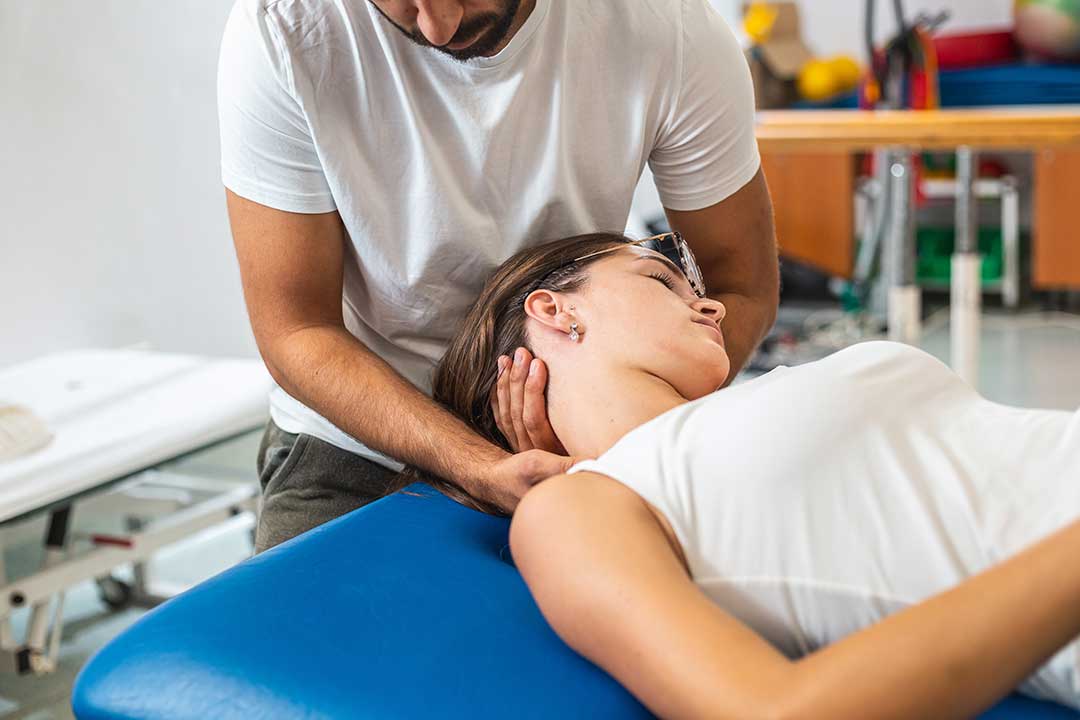
Chiropractic care, including spinal manipulation, is not appropriate for every cause of pain and should not be used to delay evaluation of serious symptoms. A careful health history and appropriate examination are important before any hands-on treatment. People should also be cautious about claims that promise a universal cure or guarantee that a single technique will resolve long-standing pain.
Self-care methods can be used alongside medical treatment, physical rehabilitation, medication plans, or behavioral support when appropriate. Supplements and herbal products deserve particular caution because “natural” does not automatically mean safe or compatible with prescription medicines.
When should chronic pain be evaluated promptly?
Seek urgent medical attention for pain accompanied by new weakness, loss of bladder or bowel control, numbness in the groin area, severe chest or abdominal symptoms, fainting, major trauma, or difficulty breathing.
Prompt evaluation is also appropriate for pain with unexplained fever, significant swelling or redness, unexplained weight loss, a history of cancer, worsening nighttime pain, progressive numbness, or symptoms that are rapidly changing.
Even without emergency warning signs, ongoing pain that limits walking, work, sleep, or basic household activities deserves a proper assessment. Self-care is most useful when it is based on an accurate understanding of the likely cause.
How can progress be measured?
Pain intensity is only one measure. Track function as well:
- Minutes spent walking
- Ability to prepare a meal or complete personal care
- Number of nighttime awakenings
- Time spent sitting or standing comfortably
- Frequency and duration of flare-ups
- Confidence with normal movement
Improvement may appear as faster recovery after activity, better sleep, or less fear of movement before pain scores change. A gradual, flexible plan is generally more sustainable than trying to eliminate every symptom immediately.
