

Core strength is more than having visible abdominal muscles. It refers to the coordinated strength and control of muscles around the abdomen, back, pelvis, hips, and diaphragm. Together, these muscles help stabilize the spine during walking, lifting, reaching, sitting, and everyday movement.
For residents of Lynbrook, where daily routines may include commuting, walking, household tasks, recreational activity, and periods of prolonged sitting, core conditioning can support better movement and reduce unnecessary strain on the lower back. It is not a guarantee against back pain, but it is an important part of maintaining spinal function.
What does the core do for the spine?
The core acts as a central support system between the upper and lower body. It helps control how the pelvis and spine move, especially when the arms or legs are active.
A well-functioning core can help:
- Keep the pelvis and spine in a more stable position
- Transfer force between the legs and upper body
- Reduce excessive movement in the lower back
- Support balance and coordination
- Make lifting, carrying, bending, and reaching more controlled
The abdominal muscles are only one part of this system. The deeper abdominal muscles, spinal muscles, pelvic floor, diaphragm, gluteal muscles, and hip muscles all contribute to stability. Weakness, poor coordination, or fatigue in one area may cause other muscles to work harder.
Can core weakness contribute to back pain?
It can. Weak or poorly coordinated abdominal and back muscles may provide less support for the spine, particularly during repetitive activity or lifting. This does not mean that every episode of back pain is caused by weak core muscles. Back pain may also involve joints, discs, nerves, muscles, previous injury, work demands, sleep, stress, or other health conditions.
Core weakness is also not always obvious. A person may be able to perform many daily tasks while still having difficulty controlling the pelvis or maintaining a neutral spine during movement. Muscle endurance can matter as much as maximum strength. For example, someone who can hold a plank briefly may still fatigue quickly while standing, walking, or working at a desk.
A stronger core may improve movement efficiency and reduce the amount of unnecessary motion placed on sensitive areas. For people with ongoing or recurring symptoms, exercise is generally most useful when it is adapted to the individual rather than treated as a universal solution.
Which exercises help build core strength?
Effective core exercises do not need to be extreme. The most useful movements are often those that train stability, breathing, coordination, and gradual resistance.
Examples include:
- Abdominal bracing: Gently tighten the abdominal muscles as if preparing for a light cough, without holding the breath or pulling the stomach inward forcefully.
- Bridges: Lying on the back with knees bent, lift the hips while keeping the pelvis controlled. This trains the gluteal and hip muscles as well as the trunk.
- Bird-dog movements: From a hands-and-knees position, extend one arm and the opposite leg while limiting twisting.
- Dead-bug variations: Lying on the back, slowly move opposite arms and legs while keeping the lower back and pelvis controlled.
- Side planks: Supporting the body on the forearm or hand and the side of the feet or knees, maintain a straight line without allowing the hips to drop.
- Loaded carries: Carrying a manageable object while walking upright challenges the trunk, hips, and shoulders to work together.
Beginners should start with a level that allows smooth breathing and controlled movement. A few repetitions performed well are more useful than a long set performed with arching, twisting, or straining.
Is a plank enough to strengthen the core?
No. Planks can be useful, but they train only one type of core demand: resisting movement while holding a position. Spinal health also depends on the ability to control bending, rotation, side-to-side movement, walking, and lifting.
A balanced routine may include:
- Exercises that resist forward or backward movement
- Exercises that resist twisting
- Movements that strengthen the hips and legs
- Controlled bending and reaching
- Aerobic activity such as walking
- Balance and mobility exercises
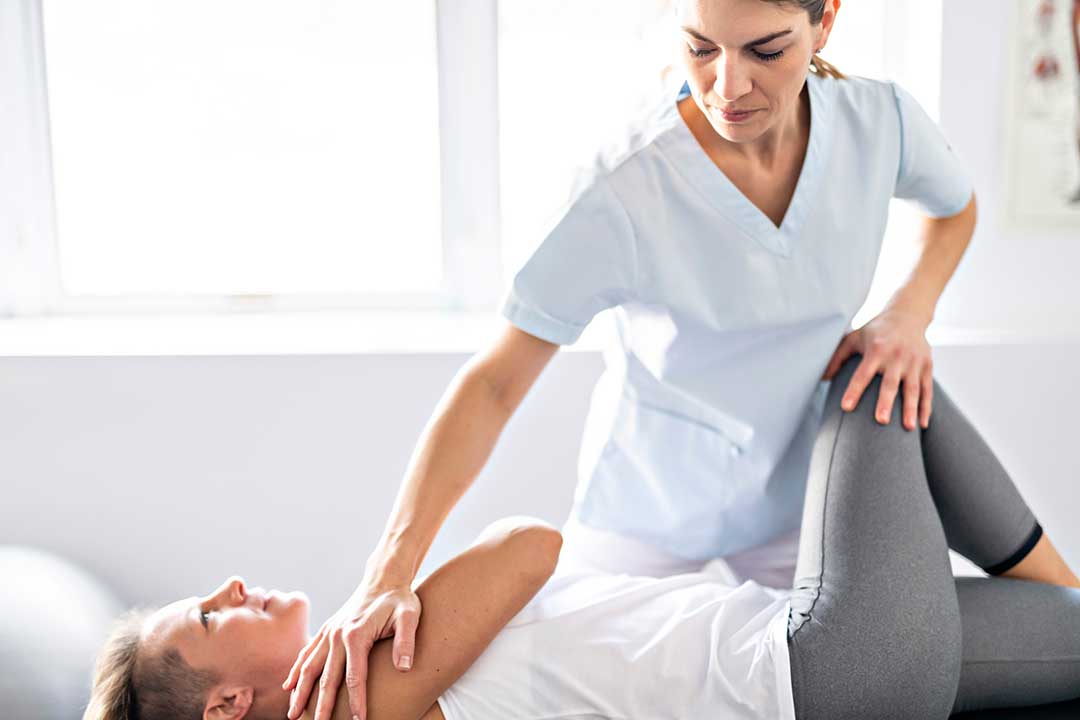
Variety also helps address differences in strength and endurance. Someone who sits for much of the day may need more hip and upper-back movement, while someone who performs physical work may need better lifting mechanics and trunk endurance.
How often should core exercises be performed?
Many adults can include muscle-strengthening activity at least two days each week, with rest or lighter activity between demanding sessions. Core exercises may be added to a broader routine rather than performed as a separate, lengthy workout.
A practical starting point could be:
1. Five to ten minutes of gentle movement or walking
2. Two or three core exercises
3. One or two sets of several controlled repetitions
4. A short walk or mobility period afterward
Progress can come from adding repetitions, increasing hold time, using light resistance, or choosing a more challenging variation. Progress should be gradual. A sudden increase in exercise volume can irritate muscles and joints even when the exercises themselves are appropriate.
What common mistakes reduce the benefits?
Several habits can make core training less effective or increase strain:
- Holding the breath during difficult movements
- Using speed instead of control
- Allowing the lower back to arch excessively
- Rotating the pelvis or shoulders unintentionally
- Training through sharp, radiating, or worsening pain
- Increasing resistance too quickly
- Treating abdominal exercises as a substitute for full-body activity
Good technique is not about keeping the spine rigid at all times. The spine is designed to move. The goal is to develop enough strength and coordination to move confidently while managing load.
How can core strength help with daily life in Lynbrook?
Core control is relevant outside of formal exercise. It may help with carrying groceries, lifting laundry, getting up from a chair, climbing stairs, gardening, and moving household items. Seasonal routines can also change physical demands. Snow and ice may lead to cautious walking and reduced outdoor activity, while warmer months may bring more yardwork, walking, and recreational movement.
Long periods of sitting during commuting, remote work, or desk tasks can also reduce movement variety. Brief standing and walking breaks, changing positions regularly, and adjusting chair and screen height may complement a strengthening routine.
When should back symptoms be evaluated?
Exercise should be modified or stopped if it causes sharp pain, new numbness, increasing weakness, loss of coordination, or pain that travels down an arm or leg. Urgent medical evaluation is appropriate for back pain associated with loss of bladder or bowel control, numbness in the groin area, major trauma, fever, unexplained weight loss, or severe symptoms that are rapidly worsening.
For persistent or recurring pain, the cause should be considered rather than assuming that core weakness is the only issue. A gradual, individualized exercise program may be part of care, along with attention to sleep, activity levels, work demands, and other contributing factors.
