

A chiropractic appointment is easier and more useful when the patient arrives with a clear description of the problem, an updated health history, and realistic expectations. Preparation does not require special equipment or strenuous activity, but a few practical steps can help the visit focus on safety, symptoms, and appropriate care.
What should you do before a chiropractic appointment?
Before an appointment in Lynbrook, NY, write down the main reason for the visit, when the symptoms began, and what makes them better or worse. Bring a current list of medications and relevant medical information.
A short symptom summary can be more useful than trying to remember every detail during the visit. Include:
- The location of pain, stiffness, numbness, or weakness
- Whether symptoms stay in one area or travel into an arm or leg
- The intensity of symptoms and whether they are constant or intermittent
- Activities that trigger the problem, such as lifting, sitting, driving, walking, or sleeping
- Any recent fall, collision, sports injury, workplace strain, or change in exercise
- Treatments already tried, including medication, physical therapy, home exercises, massage, or rest
If the issue is related to seasonal yardwork, snow removal, commuting, prolonged desk work, or carrying items up and down stairs, mention that context. Daily movement patterns often help explain why a problem started or continues.
What medical information should you bring?
Bring a list of prescription medications, over-the-counter medicines, vitamins, and supplements. Include the names, approximate doses, and how often they are taken if known.
Also be prepared to discuss:
- Previous surgeries or significant injuries
- Osteoporosis or low bone density
- Arthritis or inflammatory conditions
- Blood-clotting problems or use of blood thinners
- Cancer history
- Recent infections or unexplained fever
- Pregnancy or the possibility of pregnancy
- Recent diagnostic imaging, such as X-rays, CT scans, or MRI studies
- Other care currently being provided for the same problem
A medication list matters because some health conditions and treatments may affect whether certain manual techniques are appropriate. If medical records or imaging reports have already been provided by another clinician, bring copies if they are available and relevant.
What should you wear?
Wear comfortable clothing that allows normal movement and makes it possible to examine the area of concern. Loose athletic clothing, soft pants, and a comfortable shirt are usually practical choices.
Avoid clothing that makes movement difficult, such as very tight garments, stiff belts, heavy layers, or restrictive work clothing. Patients do not generally need to arrive in workout clothes, and special footwear is rarely necessary.
For a visit involving the lower back, hips, knees, or walking mechanics, shoes worn during regular activities may be useful. If symptoms began while wearing a particular type of work shoe, boot, or athletic shoe, bring that information to the discussion.
Should you eat or drink before the visit?
Most people do not need to fast before a chiropractic appointment. A normal meal or light snack is usually reasonable, especially if the visit occurs during a busy workday or after a commute.
Avoid arriving overly full, dehydrated, or lightheaded. Drinking water throughout the day is sensible, but there is no need to consume excessive amounts immediately before the visit.
If a separate medical test has been scheduled for the same day, follow the preparation instructions for that test. Those instructions may be different from what is needed for chiropractic care.
What happens during a first visit?
A first visit commonly includes a health history, discussion of symptoms, physical examination, and explanation of possible treatment options. The evaluation may involve observing posture, walking, range of motion, muscle function, or movements that reproduce symptoms.
Treatment may or may not occur during the first appointment. A careful evaluation is not a delay or failure to provide care; it helps determine whether manual treatment is suitable and whether another type of medical assessment is needed first.
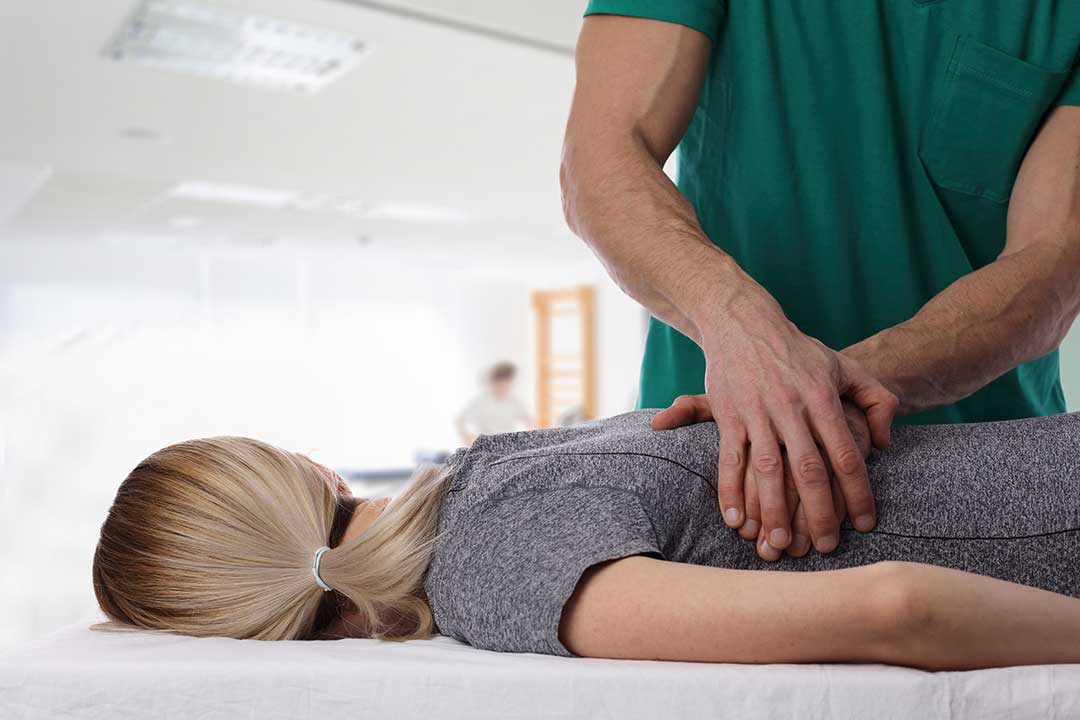
Patients should understand what is being proposed before agreeing to it. Useful questions include:
- What is the likely cause of these symptoms?
- What areas will be examined or treated?
- What technique is being considered?
- Are there alternatives that do not involve spinal manipulation?
- What soreness or temporary effects might occur?
- What symptoms would require medical attention?
- How will progress be measured?
- What is the plan if symptoms do not improve?
A patient can ask for an explanation in plain language and can decline any technique that feels uncomfortable or unclear.
Are there symptoms that should be addressed before chiropractic care?
Certain symptoms may require prompt medical evaluation rather than routine manual treatment. Seek urgent medical attention for new loss of bladder or bowel control, severe or progressive weakness, sudden trouble speaking, facial drooping, severe dizziness, fainting, chest pain, or sudden severe headache.
Prompt medical assessment is also appropriate for pain following a major injury, unexplained weight loss, fever with severe back pain, a history of cancer with new unexplained pain, or numbness that is rapidly worsening.
Neck symptoms deserve careful discussion, particularly when accompanied by unusual dizziness, visual changes, severe headache, difficulty walking, or neurological changes. These symptoms should not be treated as ordinary muscle tension without medical evaluation.
How can you make the appointment more productive?
Be specific rather than minimizing or exaggerating symptoms. Saying “the pain reaches the outside of the calf after ten minutes of walking” gives more useful information than simply saying “my back hurts.”
It can help to keep a brief symptom record for several days. Note sleep quality, sitting time, walking distance, work activities, exercise, and changes in pain or numbness. Residents managing long commutes, compact home workspaces, or physically demanding household tasks may notice patterns that are easy to overlook.
Bring a list of personal goals as well. The goal may be sleeping comfortably, turning the head while driving, returning to walking, lifting a child, or completing ordinary household tasks. These functional details help frame treatment around daily life rather than a pain score alone.
What should you expect afterward?
Mild temporary soreness or stiffness can occur after some manual treatments. Ask what level of discomfort is expected and how long it should last. Follow only the movement, exercise, or activity instructions that were explained clearly.
Contact a medical professional promptly if new or severe symptoms develop after treatment, including marked weakness, worsening numbness, loss of coordination, severe headache, fainting, chest pain, or difficulty speaking.
Preparation is mainly about communication and safety: know the symptoms, bring accurate health information, wear practical clothing, and ask questions before treatment begins. That approach helps residents make informed decisions while keeping the appointment focused on the problem that brought them in.
