
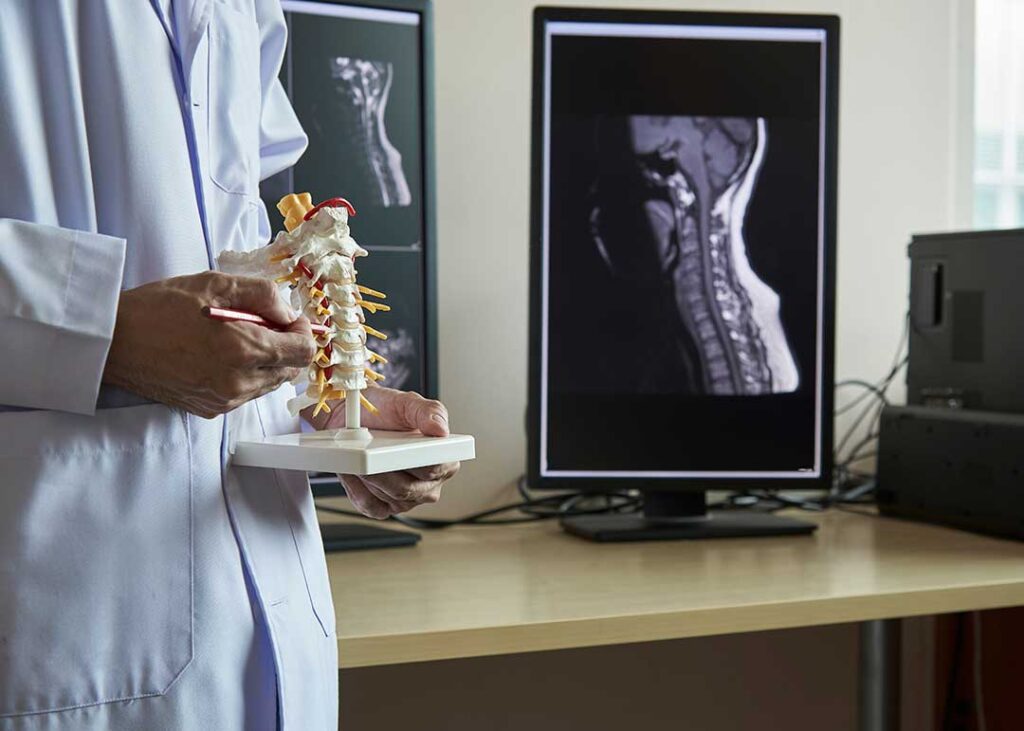
Can chiropractic adjustments help with PMS symptoms?
Chiropractic adjustments may help some people manage musculoskeletal discomfort that occurs around the menstrual cycle, such as lower-back tension, pelvic-area muscle tightness, or stiffness. However, current evidence does not show that spinal adjustments reliably treat PMS itself or correct the hormonal changes that cause it.
Premenstrual syndrome, commonly called PMS, includes physical and emotional symptoms that appear before menstruation and improve after the period begins. Common symptoms include:
- Bloating and breast tenderness
- Cramps or lower-back pain
- Headaches
- Fatigue and sleep changes
- Irritability, anxiety, or low mood
- Food cravings or appetite changes
- Difficulty concentrating
An adjustment cannot directly regulate estrogen, progesterone, serotonin, or the uterine processes involved in PMS. Its more realistic role, if useful for an individual, is as an optional approach for related muscle and joint discomfort.
What does the research say about spinal adjustments and PMS?
Research on chiropractic care for PMS and menstrual pain is limited and mixed. Some small studies of manual therapy have reported short-term reductions in menstrual pain, but these studies often involve few participants, different treatment methods, and limitations that make the findings difficult to generalize.
Reviews of spinal manipulation for painful periods have not established a dependable benefit over sham treatment. Evidence is even less certain for broader PMS symptoms such as mood changes, bloating, breast tenderness, or food cravings.
That means claims that adjustments can “balance hormones,” improve fertility, or treat PMS at its source are not supported by strong clinical evidence. A person may feel better after treatment because of temporary changes in muscle tension, movement, relaxation, or pain perception, but that is different from treating the underlying menstrual cycle.
Which symptoms might be affected?
Chiropractic care is most plausibly connected with symptoms involving the muscles, joints, and nervous system. For example, a person may experience back soreness before menstruation because of muscle guarding, reduced activity, prolonged sitting, or changes in usual movement patterns. Gentle manual care, mobility exercises, heat, or stretching may make that discomfort easier to manage.
An adjustment might be considered for:
- Lower-back stiffness that occurs with cramps
- Muscle tension around the hips or pelvis
- Neck tension or headaches that are also affected by posture
- General joint discomfort that worsens when activity and sleep change
These possibilities should not be confused with evidence that chiropractic treatment reduces depression, severe anxiety, heavy bleeding, significant bloating, or hormonal symptoms. Those concerns may require a different evaluation.
For residents of Lynbrook, seasonal routines can also influence symptoms. Cold weather may reduce outdoor activity, while long periods of sitting indoors, commuting, or working at a computer can contribute to back and hip stiffness. Those factors may make premenstrual discomfort feel worse without being the cause of PMS itself.
Is it safe to receive an adjustment during PMS?
For most generally healthy adults, spinal manipulation is associated mainly with temporary effects such as soreness, stiffness, or a mild increase in discomfort. Serious complications are uncommon, but the treatment is not risk-free and may not be appropriate for everyone.
A careful health history matters, especially if there is:
- Severe or unexplained back pain
- Recent trauma
- Osteoporosis or a history of fractures
- Cancer involving the bones
- Blood-clotting problems or use of blood thinners
- Fever, infection, or unexplained weight loss
- Numbness, weakness, or changes in bladder or bowel control
- Pregnancy or a recent procedure
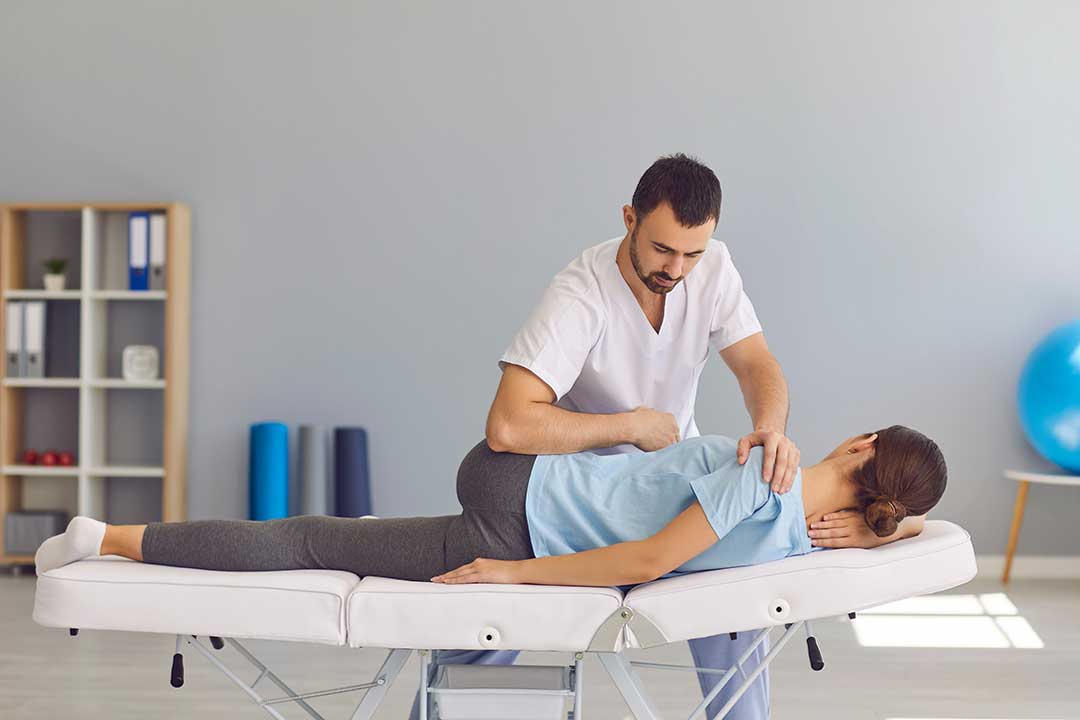
Forceful treatment should not be used to delay evaluation of symptoms that may come from a gynecologic, neurologic, or other medical condition. Any treatment plan should also account for medications, previous diagnoses, and changes in the menstrual pattern.
How does PMS differ from painful periods?
PMS occurs before menstruation and can involve mood, behavior, and physical symptoms. Dysmenorrhea refers specifically to painful menstrual cramps, usually during the period itself.
The two can occur together, but they are not the same problem. Menstrual cramps are associated with substances called prostaglandins, which cause the uterus to contract. Conditions such as endometriosis, adenomyosis, fibroids, pelvic infection, or an intrauterine device can also contribute to pain.
This distinction matters because an adjustment aimed at back tension will not identify or treat those conditions. New, worsening, or unusually severe menstrual pain deserves medical assessment rather than repeated treatment based only on the assumption that the spine is the source.
What treatments have stronger support for PMS?
Management depends on the symptoms and their severity. For mild to moderate PMS, helpful measures may include regular physical activity, adequate sleep, heat applied to the abdomen or lower back, stress-reduction practices, and tracking symptoms across several cycles.
Regular aerobic activity—such as walking, cycling, swimming, or another comfortable form of exercise—may reduce fatigue and mood symptoms for some people. Gentle yoga or stretching can be useful for muscle tightness, although they should not be presented as a cure.
Nonsteroidal anti-inflammatory drugs, including ibuprofen or naproxen, may reduce cramps and other pain for some people. They are not suitable for everyone, particularly those with certain stomach, kidney, liver, bleeding, or asthma-related concerns. Medication instructions and personal risk factors should be reviewed with a qualified medical clinician.
For persistent or severe PMS, treatment may include hormonal medication, antidepressant medication, or other approaches. Premenstrual dysphoric disorder, or PMDD, is a more severe condition dominated by significant mood symptoms and requires medical evaluation.
When should symptoms be checked medically?
Seek prompt medical attention for pelvic or menstrual symptoms that are severe, rapidly worsening, or new after years of predictable cycles. Other warning signs include:
- Fainting, chest pain, or shortness of breath
- Very heavy bleeding or bleeding between periods
- Fever, vomiting, or unusual vaginal discharge
- Pain with sex, urination, or bowel movements
- Severe depression, panic, or thoughts of self-harm
- Leg weakness, numbness, or loss of bladder or bowel control
- Pain that continues well beyond the menstrual period
A symptom diary can help show whether discomfort is linked to the days before menstruation, the period itself, activity, sleep, diet, or stress. Recording pain intensity, bleeding, mood, medications, and daily limitations for at least two or three cycles can make the pattern easier to evaluate.
A practical way to think about chiropractic care
Chiropractic adjustments may be reasonable as an optional, complementary approach for muscle and joint discomfort that accompanies PMS, provided there are no safety concerns. They should not be considered a primary treatment for hormonal, emotional, heavy-bleeding, or unexplained pelvic symptoms.
The most balanced approach is to match the treatment to the symptom: use movement and physical care for musculoskeletal tension, evidence-based medical treatment for significant menstrual or mood symptoms, and timely evaluation when the pattern is unusual or disabling.
