

Pregnancy-related back pain is common, but severe, sudden, or unusual pain should not be dismissed. For many people, gentle movement, supportive positioning, careful lifting, and heat used correctly can reduce discomfort without placing unnecessary strain on the body.
Why does pregnancy cause back pain?
Pregnancy changes posture, balance, muscle use, and the way the pelvis supports the spine. As the abdomen grows, the body’s center of gravity shifts forward. Some people respond by leaning backward, which can increase stress on the lower back.
Pregnancy hormones also loosen certain ligaments around the pelvis. This helps prepare the body for childbirth but may reduce joint stability and make ordinary movements feel more demanding. Abdominal muscles stretch as the uterus grows, so the back and hip muscles may take on more of the work.
Back pain can occur in the lower spine, around the pelvis, or near the buttocks. It may feel achy, tight, burning, or sharp with specific movements. Pain that travels down a leg may involve irritation of a nerve and deserves medical guidance, especially if it is persistent or associated with weakness.
What can safely relieve mild back pain?
For uncomplicated pregnancy-related discomfort, the most helpful approach is usually a combination of small adjustments rather than one intense treatment.
Keep moving gently
If an obstetric care provider has not restricted activity, gentle walking can help reduce stiffness and maintain strength. Short walks may be easier than one long walk. Water exercise can also be comfortable because buoyancy reduces the load on the joints and spine.
Movement should feel controlled rather than exhausting. Stop an activity that causes pain, dizziness, vaginal bleeding, fluid leakage, chest pain, unusual shortness of breath, or contractions.
For people who sit for work or household tasks, changing position every 30 to 60 minutes may help. In a dense community such as Lynbrook, errands, commuting, and apartment or multilevel-home routines can involve repeated standing, stairs, and carrying. Breaking these activities into smaller steps can reduce strain.
Improve sitting and standing posture
When standing, keep the chest comfortably lifted, shoulders relaxed, and knees slightly bent rather than locked. A stable, slightly wider stance may improve balance.
When sitting, choose a chair that supports the lower back. Keep both feet supported when possible, and avoid leaning into a deep couch for long periods. A small rolled towel or cushion behind the lower back may provide comfort, but it should not force the spine into an exaggerated arch.
If standing for a long time, place one foot on a low, stable step for a few minutes, then switch sides. Avoid using an unstable object or standing on a wet surface.
Use warmth carefully
A warm shower, warm bath, or low-temperature heating pad may relax tight muscles. Place a heating pad or warm pack over clothing or a towel, use the lowest comfortable setting, and limit the application to short periods. Avoid falling asleep with a heating device in place.
The goal is gentle warmth, not intense heat or sweating. Hot tubs, very hot baths, and prolonged heat exposure should be discussed with the pregnancy care team.
Adjust sleeping positions
Many pregnant people find side-lying more comfortable than lying flat on the back or stomach. A pillow between the knees can reduce twisting through the pelvis. Another pillow under the abdomen or behind the back may add support.
Turning in bed can be easier by keeping the knees together and moving the shoulders, hips, and legs as one unit. If one sleeping position causes numbness, shortness of breath, dizziness, or increasing pain, change position and discuss the symptom with the pregnancy care provider.
Which stretches and exercises are appropriate?
Pregnancy exercises should be adapted to the individual and approved by an obstetric care provider, particularly after complications, injury, or a long period of inactivity.
A commonly used gentle movement is a hands-and-knees pelvic tilt:
- Start on hands and knees with hands beneath the shoulders and knees beneath the hips.
- Keep the head and neck aligned comfortably with the spine.
- Gently draw in the abdominal muscles and round the back slightly.
- Hold briefly, then return to a neutral position without forcing the lower back downward.
- Repeat slowly, stopping if the movement causes pain, pressure, dizziness, or other concerning symptoms.
Prenatal-strengthening programs may focus on the abdomen, hips, pelvic floor, and upper back. Exercises should not cause pain or leave the body feeling worse for the rest of the day. Deep twisting, forceful stretching, high-impact activity, and movements requiring breath-holding may be inappropriate for some pregnancies.
A physical therapist with experience in pregnancy-related conditions can help distinguish ordinary muscle soreness from pelvic girdle pain, nerve irritation, or movement patterns that need modification.
Is chiropractic care safe during pregnancy?
Some pregnant people consider chiropractic treatment for back or pelvic discomfort. Research suggests that certain manual therapies may help some individuals, but treatment is not appropriate for every pregnancy or every type of pain.
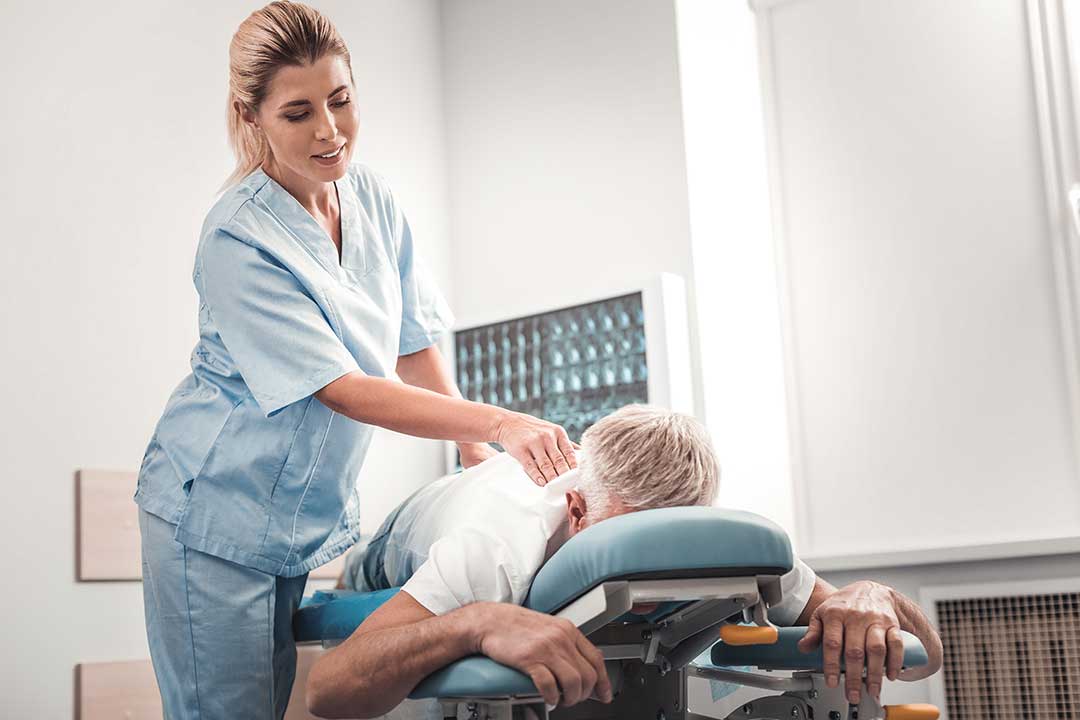
Before receiving spinal manipulation or other hands-on care, discuss it with the obstetric care provider. The person providing treatment should know about the pregnancy, symptoms, trimester, medical history, and any complications. A pregnancy-informed approach should avoid forceful techniques, uncomfortable positioning, and treatment over areas affected by injury or inflammation.
Hands-on care should complement—not replace—medical evaluation when symptoms are severe, progressive, or unusual. It is also reasonable to ask what technique is being proposed, what risks may apply, and what symptoms would require stopping treatment.
Can medication be used for pregnancy back pain?
Do not assume that an over-the-counter pain reliever is safe simply because it is commonly used. Medication choices can depend on the stage of pregnancy, medical history, other medicines, and the reason for the pain.
Acetaminophen may be recommended in some situations, but the correct dose and timing should be confirmed with the pregnancy care provider. Nonsteroidal anti-inflammatory drugs, including ibuprofen and naproxen, may not be appropriate during parts of pregnancy. Topical products, supplements, and herbal preparations also deserve review before use.
When does pregnancy back pain require prompt medical attention?
Back pain should be discussed promptly with the pregnancy care team if it is severe, sudden, worsening, lasts more than a short period despite rest, or follows a fall or other injury.
Seek urgent medical guidance for back pain accompanied by:
- Fever or chills
- Burning or pain during urination
- Vaginal bleeding or fluid leakage
- Regular abdominal tightening or contractions
- New numbness or weakness in a leg
- Loss of bladder or bowel control
- Severe abdominal or pelvic pain
- Fainting, chest pain, or unusual difficulty breathing
These symptoms can signal an infection, nerve problem, injury, or pregnancy complication rather than routine muscular discomfort. A careful evaluation is safer than attempting to stretch through warning signs.
A practical daily plan
For mild symptoms, a reasonable routine may include a short walk, frequent posture changes, supportive sleep positioning, careful lifting, and brief periods of gentle warmth. Lift by bending the knees and keeping objects close to the body instead of bending at the waist. Ask for help with heavy laundry baskets, boxes, furniture, or awkward loads.
Pain that repeatedly limits walking, sleep, work, or basic household activity deserves individual assessment. The safest plan depends on the pregnancy, the location and pattern of pain, and whether any warning signs are present.
