

Arthritis can make ordinary activities—walking, climbing stairs, standing from a chair, or turning the head—more difficult. Chiropractic care may help some people manage related pain and stiffness, but it works best as one part of a broader plan that includes movement, strength, pacing, and appropriate medical evaluation.
For residents of Lynbrook, NY, seasonal changes can also affect daily routines. Cold weather may encourage less activity, while humid or rainy conditions can make already-stiff joints feel more uncomfortable. The goal is not to avoid movement, but to find safe, repeatable ways to keep joints functioning.
What type of arthritis can chiropractic care address?
Chiropractic care is most commonly considered for musculoskeletal symptoms associated with osteoarthritis, including stiffness or discomfort involving the spine, hips, knees, and other joints. Osteoarthritis develops as joint tissues change over time and may cause pain, reduced mobility, and occasional swelling.
Rheumatoid arthritis, psoriatic arthritis, gout, lupus-related joint problems, and other inflammatory conditions require a different level of medical oversight. A chiropractor should not attempt to diagnose or manage these conditions alone. Active inflammation, unexplained swelling, fever, sudden weakness, or rapidly worsening symptoms should be medically evaluated.
Chiropractic treatment cannot reverse cartilage loss or cure arthritis. Its possible role is more limited: helping improve mobility, reducing muscle tension, supporting comfortable movement, and identifying ways to reduce mechanical stress on painful areas.
Is spinal manipulation appropriate for someone with arthritis?
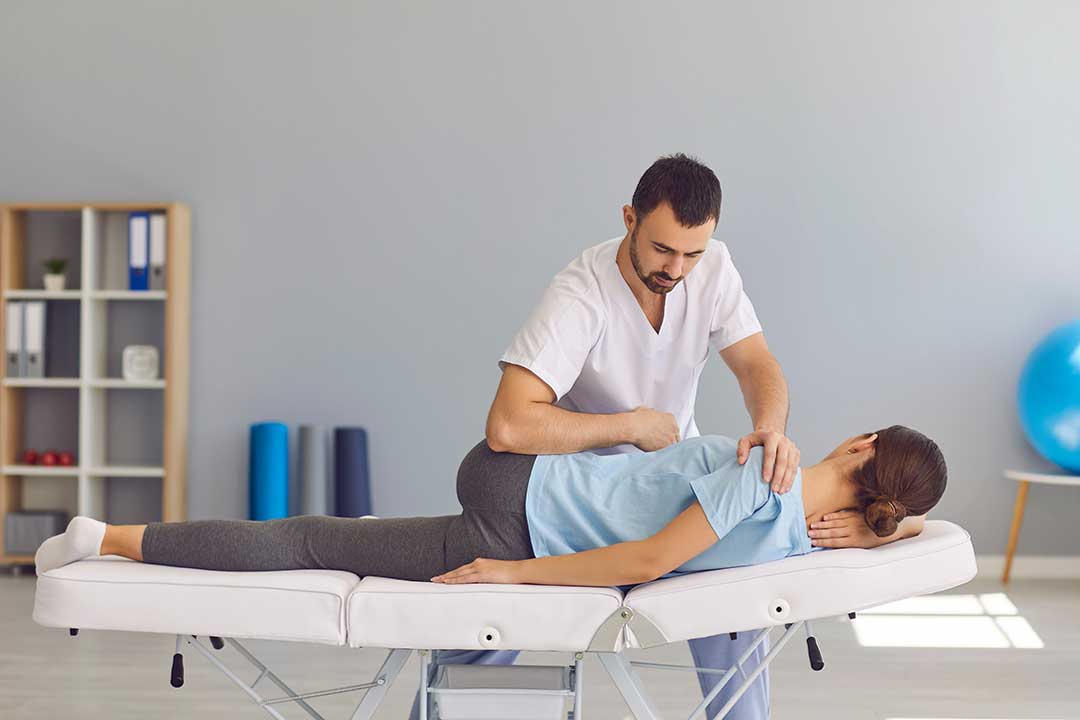
Sometimes, but not automatically. Gentle mobilization or carefully selected manual techniques may be considered when stiffness or restricted movement contributes to discomfort. The appropriate approach depends on the joint involved, the severity of arthritis, bone health, medications, previous injuries, and the presence of neurological symptoms.
Forceful manipulation may be unsuitable for people with severe osteoporosis, spinal fusion, unstable joints, certain fractures, advanced inflammatory disease, or significant nerve compression. Neck manipulation requires particular caution, especially in older adults or anyone with vascular, neurological, or structural risk factors.
A thorough history and movement assessment should come before treatment. Good care also includes explaining what will be done, what symptoms to watch for, and when another type of evaluation is needed.
Why exercise matters more than passive treatment alone
Exercise is one of the most consistently supported tools for managing osteoarthritis. Manual treatment may provide short-term relief or make movement feel easier, but strength and mobility usually depend on regular activity between visits.
Useful options may include:
- Walking at a comfortable pace
- Water-based exercise
- Stationary cycling
- Gentle range-of-motion movements
- Strengthening for the hips, thighs, abdomen, or upper back
- Balance exercises
- Tai chi or modified yoga
The right level is one that produces mild effort without causing a major flare later that day or the next morning. Someone with knee arthritis might begin with brief walks on level ground and simple sit-to-stand practice. Someone with hand arthritis may benefit from gentle finger motion, grip modifications, and planned rest during tasks such as cooking or household work.
For local residents, indoor walking, mall-free home routines, community recreation facilities, and short activity periods spread through the day can help during icy sidewalks or very cold weather.
How should activity be paced during a flare?
A flare does not always mean the joint has been damaged, but it is a signal to reduce strain temporarily. Complete bed rest can increase stiffness and weakness, so the better approach is usually relative rest.
During a flare:
- Reduce the duration or intensity of the activity rather than stopping all movement.
- Use gentle range-of-motion exercises if they are comfortable.
- Break household tasks into shorter segments.
- Alternate standing, walking, and seated activities.
- Avoid repeatedly pushing through sharp or escalating pain.
- Return gradually to the usual routine once symptoms settle.
A useful guide is the “next-day response.” If pain or stiffness is noticeably worse the following morning, the activity may have been too intense, too long, or performed too frequently.
Can heat or cold help arthritic stiffness?
Heat often helps stiffness before activity. A warm shower, heating pad on a safe setting, or several minutes of gentle movement may make joints easier to use. Cold may be more helpful after activity if a joint feels irritated or swollen.
Neither should be applied directly to bare skin for prolonged periods. People with reduced sensation, circulation problems, or certain medical conditions should use extra caution and ask a healthcare professional which approach is appropriate.
In winter, warming the body before outdoor chores may reduce the tendency to move abruptly. After snow or ice, avoiding sudden twisting and carrying smaller loads can reduce stress on the knees, hips, and lower back.
What lifestyle factors can reduce joint stress?
Body weight, sleep, footwear, work habits, and daily movement patterns can all influence symptoms. Even modest weight reduction may lower the mechanical load on weight-bearing joints for people who are above their healthiest range.
Practical adjustments include:
- Choosing supportive, comfortable footwear
- Using handrails on stairs
- Keeping frequently used items within easy reach
- Sitting for tasks that do not require standing
- Avoiding long periods in one position
- Using a cane or other aid only after receiving instruction on proper use
- Maintaining regular sleep and wake times
Nutrition cannot rebuild damaged cartilage, and no supplement reliably replaces exercise or medical care. A balanced eating pattern that supports a healthy weight is generally more useful than relying on products advertised as arthritis cures.
When should arthritis symptoms be evaluated promptly?
Certain symptoms should not be attributed to ordinary arthritis. Prompt medical evaluation is appropriate for a hot, very swollen joint; fever; unexplained weight loss; sudden inability to bear weight; a recent fall or injury; new numbness or weakness; loss of bladder or bowel control; or severe pain that is rapidly worsening.
A medical evaluation is also sensible when morning stiffness lasts a long time, several joints become swollen, symptoms affect both sides of the body, or pain begins at an unusually young age. These patterns may suggest inflammatory arthritis or another condition requiring targeted treatment.
What is a realistic goal for chiropractic care?
The most realistic goal is improved function rather than a promise of a pain-free joint. A useful plan may combine education, gentle manual care when appropriate, strengthening, aerobic activity, sleep support, weight management, and coordination with medical or rehabilitation professionals.
People with arthritis should be able to explain what treatment is intended to improve, how progress will be measured, and what alternatives exist. If a technique consistently increases pain, causes new neurological symptoms, or is presented as a cure for arthritis, it deserves reconsideration.
