
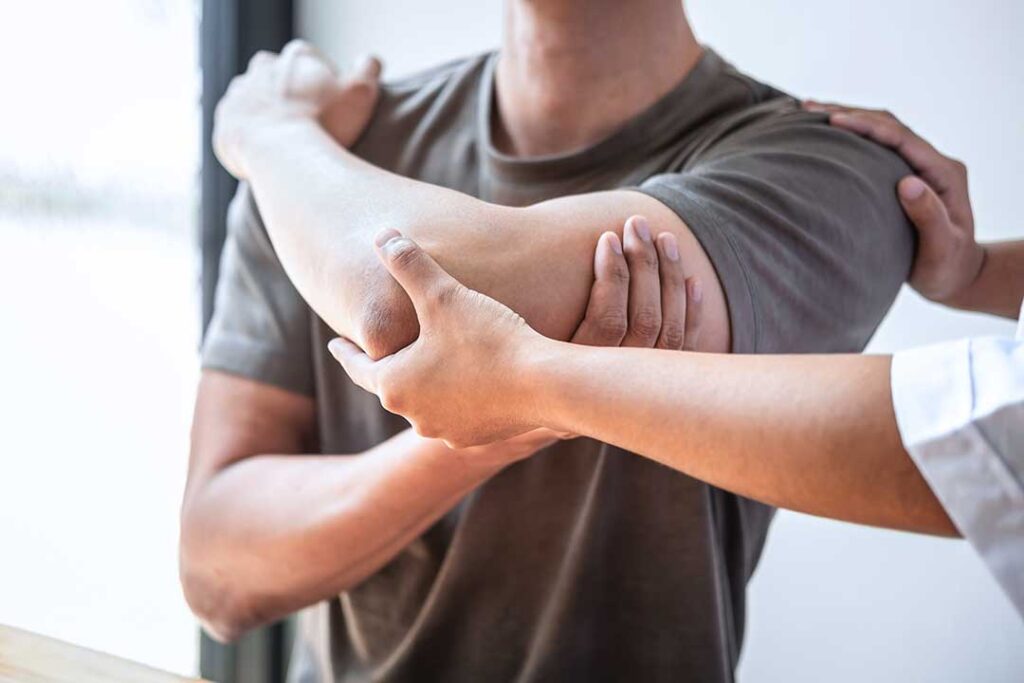
What is the Graston Technique?
The Graston Technique is a form of instrument-assisted soft-tissue mobilization, often abbreviated as IASTM. It uses specially shaped handheld instruments to apply controlled pressure and gliding strokes to muscles, tendons, fascia, and other soft tissues.
In chiropractic care, it is generally used as an adjunct rather than a stand-alone treatment. A chiropractor may combine it with movement assessment, exercise, joint mobilization, posture education, or other conservative care based on the person’s symptoms and goals.
The instruments do not cut the skin or enter the body. They are moved over lubricated skin, usually along areas that feel tight, tender, restricted, or painful with movement.
How is it supposed to work?
The technique is intended to provide focused mechanical stimulation to soft tissue. Practitioners may use it when an area has become sensitive or less mobile after repetitive activity, an injury, prolonged inactivity, or changes in movement patterns.
Commonly discussed goals include:
- Improving short-term range of motion
- Reducing the feeling of muscle tightness
- Supporting movement during rehabilitation
- Decreasing sensitivity in selected soft-tissue areas
- Helping a person participate more comfortably in prescribed exercises
The older explanation that the instrument simply “breaks up scar tissue” is an oversimplification. Human connective tissue is complex, and symptoms are influenced by the nervous system, strength, sleep, stress, activity level, and the way a person moves. The technique may affect how an area feels and moves, but it should not be presented as mechanically scraping away adhesions or repairing an injury by itself.
What happens during a typical session?
A session usually begins with questions about symptoms, activity, prior injuries, medications, and health conditions. The affected region may be examined for tenderness, swelling, strength, joint motion, and changes in movement.
The practitioner may first assess a motion such as bending the wrist, walking, squatting, or raising the arm. A small amount of lotion or gel is then applied to the skin. The instrument is drawn across the area with varying pressure and direction.
Treatment may feel like firm massage, scraping, pulling, or localized pressure. Mild tenderness during or after treatment can occur. A person should communicate if the pressure feels sharp, excessively painful, numb, or otherwise unusual.
Afterward, the practitioner may reassess the movement and suggest exercises or activity changes. The goal is usually not to create intense soreness. More pressure does not necessarily mean better treatment.
Can it cause bruising?
Temporary redness, tenderness, or small areas of bruising can occur, especially when the tissue is sensitive or the pressure is too aggressive. Bruising is not required for the technique to be effective.
Persistent swelling, increasing pain, marked discoloration, numbness, weakness, or skin damage should not be considered a normal treatment response. These symptoms warrant medical attention, particularly if they develop quickly or are accompanied by fever or significant loss of function.
People who bruise easily should mention that before treatment. The same applies to anyone taking blood-thinning medication or managing a condition that affects bleeding or skin healing.
What conditions may be considered?
IASTM has been studied in connection with several musculoskeletal complaints, including tendon-related pain, limited joint motion, muscle strains, overuse injuries, and some forms of back or neck discomfort. It may also be considered during rehabilitation after an injury when a qualified clinician believes soft-tissue treatment is appropriate.
Research findings are mixed. Some studies suggest short-term improvements in pain, flexibility, or function, while reviews have also found limitations such as small sample sizes, different treatment methods, and inconsistent comparison groups. The evidence does not support treating the technique as a universal solution for every painful condition.
For that reason, a careful assessment matters more than the instrument itself. A treatment plan should address the likely source of symptoms rather than automatically applying scraping to any sore area.
Who should be cautious or avoid it?
Instrument-assisted soft-tissue treatment may not be appropriate over an open wound, active skin infection, unexplained rash, acute swelling, or a suspected fracture. Caution is also appropriate with bleeding disorders, blood-thinning medication, fragile skin, certain vascular conditions, uncontrolled diabetes, or recent surgery.
A person with unexplained calf swelling, sudden shortness of breath, chest pain, progressive weakness, loss of bladder or bowel control, or severe nighttime pain needs prompt medical evaluation rather than soft-tissue treatment.
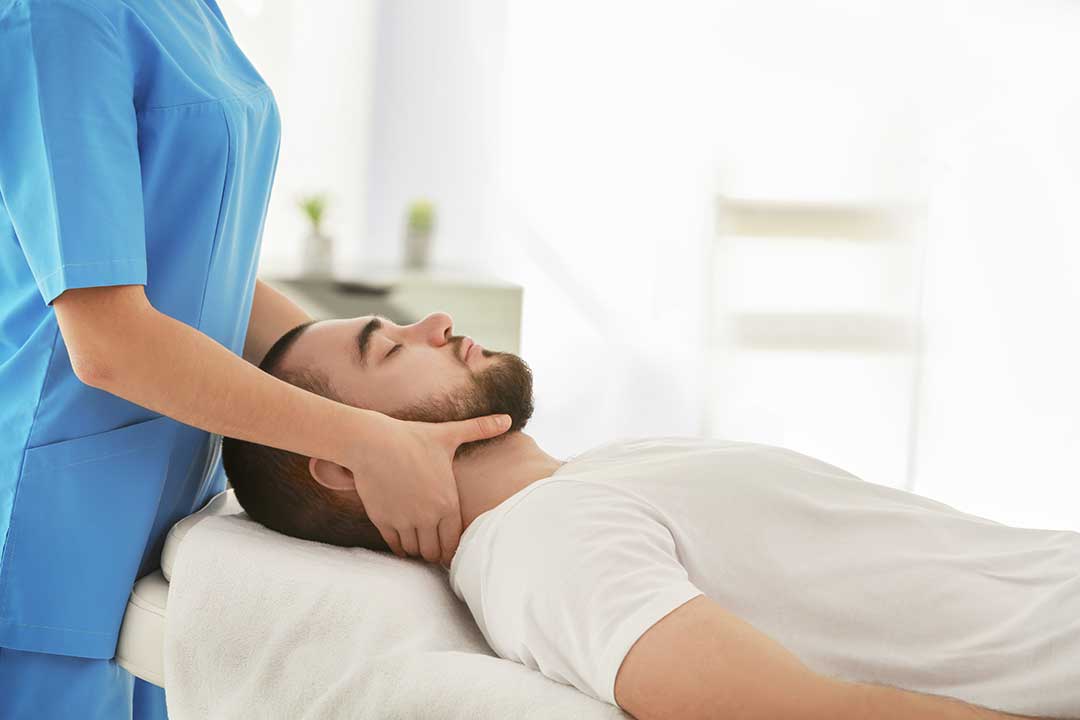
Pregnancy does not automatically rule out manual care, but the treatment area, pressure, positioning, and health history should be discussed beforehand. People with complex medical conditions may need coordination with their primary medical clinician.
Is it different from massage or foam rolling?
Yes, although the purposes can overlap. Massage usually relies on the practitioner’s hands, while IASTM uses a tool to concentrate pressure over selected areas. Foam rolling is self-administered and generally covers broader regions with less precision.
The differences do not make one approach universally superior. A person may respond well to gentle movement, strengthening, hands-on care, rest from a provoking activity, or a combination of methods. The most useful option depends on the diagnosis, irritability of the condition, and ability to follow through with rehabilitation.
What should Lynbrook residents consider?
Daily routines in a densely settled community can place repeated demands on the same tissues. Long periods at a desk, commuting, carrying household items, climbing stairs, recreational sports, and weekend yard or home-maintenance projects may all contribute to overuse symptoms.
Seasonal conditions can also change activity patterns. Cold weather may lead some people to sit more and move less, while warmer months may bring sudden increases in walking, cycling, gardening, or outdoor work. A gradual return to activity is often more helpful than trying to compensate for weeks of inactivity in a single weekend.
Good questions to ask before treatment include:
- What problem is this technique intended to address?
- What should the treatment feel like?
- What other care will support recovery?
- How will progress be measured?
- What symptoms mean treatment should stop?
- Is there a safer or gentler option for this condition?
What is the main takeaway?
The Graston Technique is a tool-assisted method for addressing selected soft-tissue complaints. It may provide short-term relief or improve movement for some people, but results vary and the research remains limited for many conditions.
It is best understood as one possible component of conservative care—not a cure, a substitute for diagnosis, or proof that damaged tissue has been physically “scraped away.” A thoughtful evaluation, appropriate exercise, gradual activity progression, and attention to warning signs are usually more important than the specific instrument used.
