
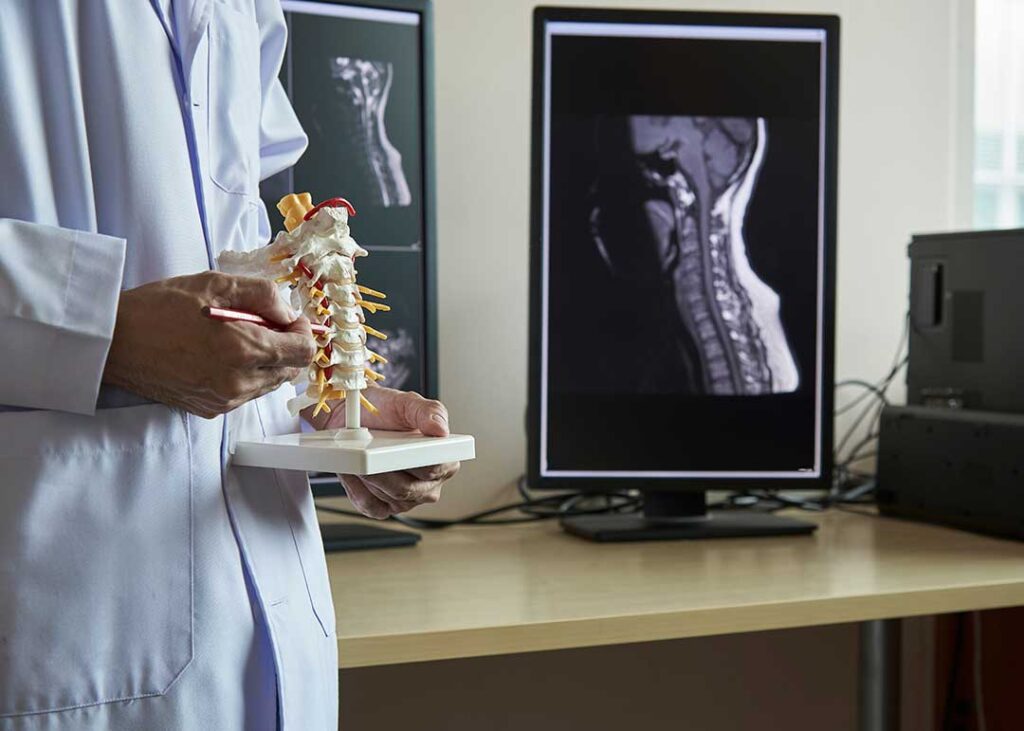
Healthy aging is less about avoiding every ache and more about preserving mobility, balance, strength, and confidence in daily activities. Chiropractic care may support these goals for some adults, particularly when it is used alongside exercise, medical care, sleep, and other healthy habits.
For residents of Lynbrook, NY, maintaining comfortable movement can make it easier to manage stairs, walk for errands, carry household items, participate in community activities, and stay active through changing weather and seasonal conditions.
What does healthy aging mean for the musculoskeletal system?
Healthy aging includes maintaining the ability to move safely and perform everyday tasks. The spine, hips, knees, shoulders, feet, and muscles all contribute to that ability.
Some changes are common with age:
- Reduced muscle mass and strength
- Less flexibility in the hips, spine, and shoulders
- Slower balance reactions
- Stiffness after sitting or sleeping
- Changes in walking speed or posture
- Greater sensitivity after repetitive activity or minor injuries
These changes do not automatically mean that pain or loss of function is unavoidable. Regular movement, strength training, balance exercises, and appropriate medical care can help older adults preserve function.
Chiropractic care generally focuses on the relationship between the spine, joints, muscles, and movement. Depending on a person’s needs, care may include spinal or joint manipulation, gentle mobilization, soft-tissue techniques, stretching guidance, and advice about movement habits.
Can chiropractic care help with age-related stiffness?
It may help some people manage musculoskeletal stiffness, especially when stiffness is related to restricted joint movement, prolonged sitting, muscle tension, or a previous strain. The goal is usually improved comfort and function rather than reversing the normal aging process.
A chiropractic assessment may look at:
- How the person walks and changes direction
- Spinal and joint mobility
- Muscle tightness or weakness
- Posture during sitting, standing, and lifting
- Balance and coordination
- Activities that increase or relieve symptoms
For example, an older adult who feels stiff after sitting at a kitchen table may benefit from a combination of movement breaks, hip and upper-back exercises, and carefully selected hands-on care. The useful question is not simply whether a joint “needs adjustment,” but what is limiting comfortable movement and how function can be improved safely.
Evidence for spinal manipulation is strongest for certain types of back pain and may show modest improvements in pain or function. It should not be presented as a general treatment for aging, osteoporosis, arthritis progression, memory loss, or every form of chronic pain.
How might chiropractic care support balance and fall prevention?
Chiropractic care alone should not be considered a fall-prevention program. Balance depends on vision, leg strength, foot sensation, inner-ear function, reaction time, medications, and the environment.
However, improving joint mobility and addressing pain may make it easier for some people to participate in balance and strengthening activities. Exercise remains the central part of fall prevention. Useful activities may include:
- Standing from a chair repeatedly
- Heel raises while holding a stable surface
- Side-stepping along a counter
- Supported single-leg balance
- Walking at a comfortable pace
- Resistance-band exercises
- Tai chi or other supervised balance-focused movement
Older adults should choose an appropriate difficulty level and use support when needed. In a home with stairs, narrow hallways, or seasonal outdoor surfaces that become wet or slippery, practical safety changes can be as important as treatment. Better lighting, secure railings, clear walkways, and properly fitting footwear can reduce avoidable hazards.
What role does strength play in healthy aging?
Strength is closely connected to independence. Stronger legs help with stairs and rising from a chair. Stronger hips and trunk muscles can support walking and lifting. Upper-body strength helps with household tasks, reaching, and carrying objects.
Chiropractic care may help identify movement limitations or discomfort that interfere with exercise, but it does not replace strength training. A sustainable plan often begins with manageable activities and progresses gradually.
A person who has been inactive may start with short walks and basic chair-based exercises. Someone who already exercises may need guidance on modifying technique, workload, or recovery when symptoms change. Persistent weakness, sudden loss of coordination, or difficulty walking requires medical evaluation rather than routine mobility care alone.
Is chiropractic care safe for older adults?
Safety depends on the individual, the technique, and the condition being treated. Older adults may have osteoporosis, spinal stenosis, recent surgery, fractures, blood-clotting concerns, inflammatory disease, or other health conditions that affect which techniques are appropriate.
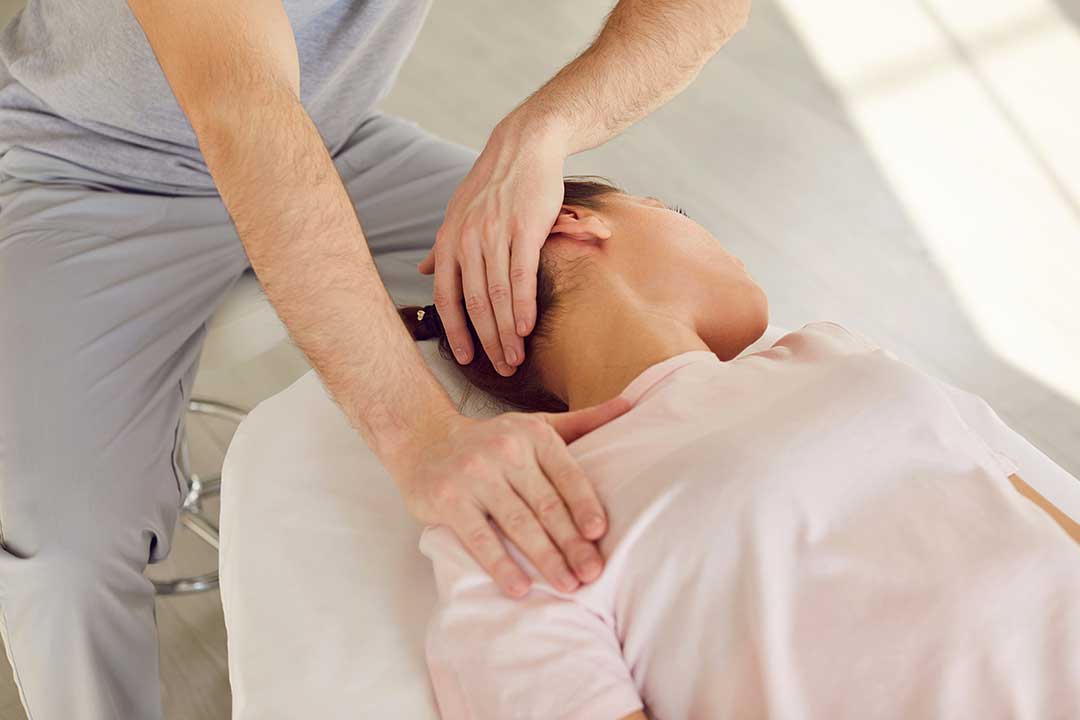
Before treatment, the full health history should be considered, including:
- Recent falls or injuries
- Bone-density concerns
- Cancer history
- Use of blood-thinning medication
- Numbness, tingling, or weakness
- Dizziness or fainting
- Recent surgery
- Unexplained weight loss or fever
Gentler approaches may be more suitable for some people, while manipulation may not be appropriate in certain situations. Temporary soreness, fatigue, or discomfort can occur after treatment. Severe or unusual symptoms require prompt medical attention.
Neck manipulation deserves particular caution because serious vascular complications, although uncommon, have been reported. Older adults should ask what technique is being proposed, why it is being considered, what alternatives exist, and how risks may be affected by their medical history.
When should pain be evaluated medically first?
Not every symptom is a routine joint or muscle problem. Prompt medical evaluation is appropriate for back or neck pain accompanied by new weakness, loss of bladder or bowel control, numbness in the groin area, fever, unexplained weight loss, major trauma, or severe nighttime pain.
A fall can cause a fracture even when pain initially seems manageable, particularly in people with reduced bone density. New dizziness, chest pain, shortness of breath, sudden severe headache, or speech and vision changes also require urgent medical attention rather than musculoskeletal treatment.
Chiropractic care can sometimes be part of coordinated care, but it should not delay diagnosis of a serious condition or replace necessary medical treatment.
How can residents make care more useful?
The most effective approach is usually specific and function-focused. Instead of focusing only on a diagnosis such as “arthritis” or “disc problems,” consider the activity that has become difficult.
Useful questions include:
- Can I walk, climb stairs, or stand as long as I want?
- Which movements increase symptoms?
- What exercises are safe for my current ability?
- How can I improve balance without increasing fall risk?
- Are my medications, vision, footwear, or home layout affecting mobility?
- Should another health professional evaluate this symptom?
Keeping a brief record of pain, stiffness, walking tolerance, sleep, falls, and activity can help reveal patterns. Progress may be measured by walking farther, standing from a chair more easily, or completing household tasks with less discomfort—not only by whether pain disappears.
Healthy aging is supported by consistent movement, adequate nutrition, restorative sleep, preventive medical care, and attention to safety. Chiropractic care may be one component for selected musculoskeletal concerns, especially when its goals are clear, its limits are understood, and it complements—not replaces—exercise and broader health care.
