

Jaw pain is not always caused by a problem inside the jaw joint. The muscles, nerves, and joints of the neck and upper back can influence how the jaw moves and how pain is experienced. This does not mean that poor posture or a “misaligned spine” is the cause of every jaw problem, but it does explain why jaw symptoms and neck discomfort often appear together.
What is the connection between the jaw and the spine?
The jaw and upper spine work as part of a coordinated system involving the skull, neck, facial muscles, nerves, and shoulders. The temporomandibular joints, commonly called TMJs, sit just in front of the ears and connect the lower jaw to the skull. Muscles in the face and jaw coordinate with muscles in the neck whenever a person speaks, chews, swallows, or opens the mouth.
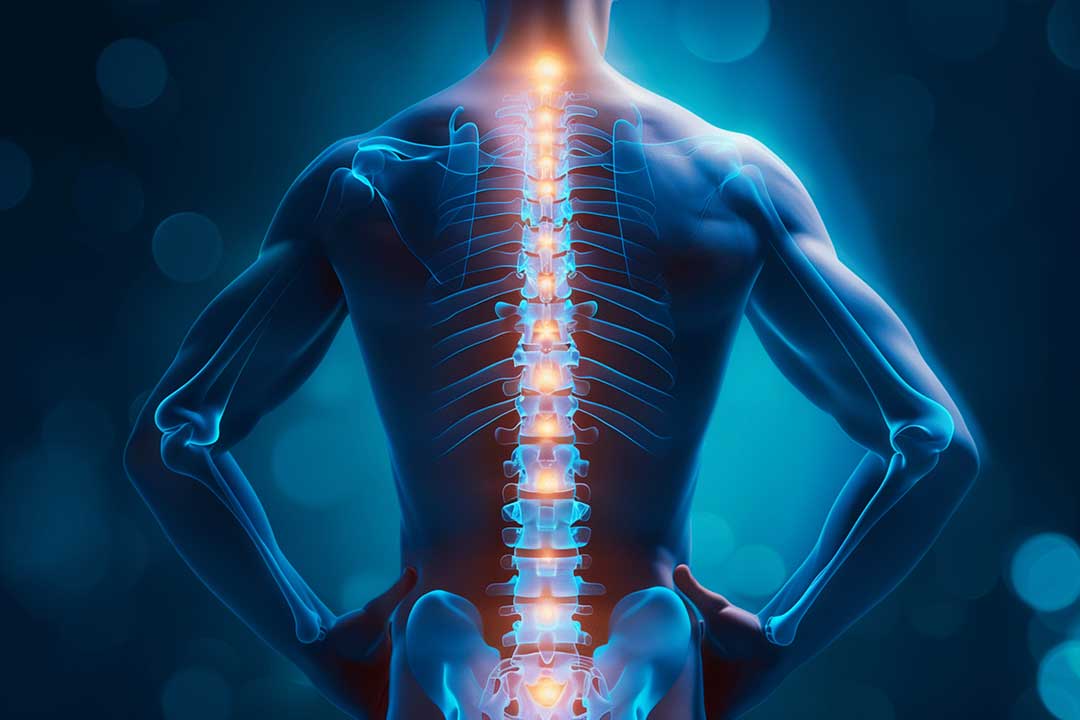
A change in one area can affect movement in another. For example, holding the head forward while using a phone or computer may increase activity in the muscles at the front and back of the neck. Those muscles attach near structures that help stabilize the jaw and skull. The result may be increased muscle tension, altered jaw movement, or greater awareness of clicking and soreness.
The relationship is two-way. Jaw pain may cause a person to tighten the neck and shoulders, while neck pain may make normal jaw movement feel more difficult or uncomfortable.
Can poor posture cause jaw pain?
Posture may contribute to jaw discomfort, but it is rarely the only explanation. Research has found associations between jaw disorders and neck posture, yet posture alone does not reliably identify the cause of an individual person’s symptoms.
Common patterns that may increase strain include:
- Prolonged forward-head posture while looking down at a phone
- Working at a laptop without adequate back or arm support
- Sleeping with the neck sharply rotated or flexed
- Holding the shoulders raised during stressful tasks
- Leaning forward for long periods while reading, sewing, driving, or doing household work
These habits can increase muscle workload. They may also encourage clenching, especially when a person is concentrating or under stress. Improving sitting and standing habits can be useful, but forcing the shoulders back or holding the head rigidly may create additional tension. Comfortable movement and frequent position changes are generally more practical than trying to maintain a perfect posture.
What symptoms suggest that the neck and jaw may be involved together?
Jaw and spinal involvement may be more likely when symptoms occur in several connected areas. Examples include:
- Jaw soreness accompanied by neck stiffness
- Headaches that begin near the temples, forehead, or base of the skull
- Pain that increases after extended screen use
- Tenderness in the chewing muscles or upper shoulders
- Limited mouth opening or a feeling that the jaw catches
- Ear-area discomfort without a clear ear infection
- Pain that changes with chewing, speaking, neck movement, or stress
Clicking or popping without pain is common and does not necessarily indicate damage. Painful clicking, locking, swelling, or a gradual reduction in the ability to open the mouth deserves more careful evaluation.
Is jaw pain always a temporomandibular disorder?
No. Temporomandibular disorders, or TMDs, describe several conditions involving the jaw joints, chewing muscles, or related structures. They are a common source of jaw pain, but similar symptoms can come from dental problems, sinus or ear conditions, facial nerve irritation, trauma, arthritis, migraine, or muscle tension in the neck.
Jaw pain can also be referred pain. This means the painful area is not always the original source. Muscles in the neck and face share nerve connections and movement patterns, so the brain may interpret pain from one region as coming from another.
A dental examination may be appropriate when pain is linked to a tooth, chewing on one side, hot or cold sensitivity, gum swelling, or a recent dental procedure. A medical evaluation may be needed for unexplained facial pain, persistent headaches, neurological symptoms, or symptoms that do not behave like ordinary muscle or joint discomfort.
What can residents try safely at home?
For mild, recent symptoms, conservative measures are often reasonable for a short period:
- Choose softer foods and avoid hard or chewy foods temporarily.
- Keep the teeth slightly apart when not eating. The lips can rest together while the teeth remain separated.
- Reduce gum chewing, nail biting, pen chewing, and prolonged wide opening.
- Apply a comfortable warm compress to tense jaw or neck muscles.
- Use gentle neck movement rather than forceful stretching.
- Adjust screens so the head does not remain tilted downward for long periods.
- Take brief movement breaks during desk work, phone use, or reading.
- Pay attention to clenching during concentration, driving, or stressful conversations.
Over-the-counter pain medicine may help some people, but it is not appropriate for everyone. People with medication interactions, kidney disease, stomach ulcers, blood-thinning treatment, pregnancy, or other medical concerns should ask a qualified healthcare professional before using anti-inflammatory medication.
Avoid attempting to “realign” the jaw or neck with forceful self-manipulation. Aggressive stretching, repeated jaw-opening exercises, or permanent changes to the bite should not be undertaken without a clear diagnosis.
Could chiropractic care be part of the evaluation?
A chiropractor may assess the neck, upper back, shoulder mechanics, muscle tenderness, and movement patterns that could be contributing to discomfort. In some cases, gentle hands-on care and exercise guidance directed at the neck and upper back may complement a broader plan.
Jaw symptoms still require appropriate clinical judgment. A chiropractor should not assume that every jaw problem originates in the spine, and spinal treatment should not replace dental or medical assessment when the symptoms point to another cause. A coordinated approach may involve a dentist, physician, physical therapist, or other qualified clinician depending on the findings.
The most useful goal is not to chase a particular posture or spinal position. It is to identify which movements, habits, tissues, and health conditions are actually influencing the pain.
When should jaw pain be evaluated promptly?
Persistent or worsening jaw pain should be evaluated, especially when it lasts more than several days, repeatedly returns, or interferes with eating, speaking, sleeping, or opening the mouth.
Prompt medical attention is appropriate for:
- A jaw that is locked open or closed
- Significant swelling, fever, or signs of infection
- Facial weakness, numbness, confusion, or trouble speaking
- Jaw pain after a fall, blow, or other injury
- Severe headache with new neurological symptoms
- Jaw discomfort accompanied by chest pressure, shortness of breath, sweating, nausea, or pain spreading to the arm, shoulder, back, or neck
Seasonal routines can also matter locally. More time indoors during cold weather, longer periods at a desk, increased driving, and stress around household or work schedules may encourage clenching and reduced movement. Noticing these patterns can help explain why symptoms fluctuate.
Jaw pain and spinal health are connected through muscles, nerves, movement, and daily habits, but the relationship is not proof that the spine is the sole cause. A careful evaluation, conservative self-care, and attention to warning signs provide a safer path than assuming every symptom is a posture problem.
