
Poor posture is more than an appearance issue. Repeatedly holding the head, shoulders, or spine in awkward positions can increase strain on muscles and joints, contribute to headaches and back pain, and make ordinary activities feel more tiring. For residents of Lynbrook, NY, posture may be affected by desk work, commuting, household tasks, phone use, and long periods spent sitting indoors during cold or rainy weather.
Posture alone does not explain every case of pain. Injuries, arthritis, stress, sleep habits, activity levels, and medical conditions can also play a role. Still, improving movement habits and adjusting the spaces where people sit, work, and rest can reduce unnecessary physical strain.
What does poor posture do to the body?
Poor posture changes how the body distributes weight and muscle effort. For example, leaning forward toward a screen may cause the neck muscles to work continuously to support the head. Rounded shoulders can limit comfortable upper-body movement, while slouching may place extra stress on the lower back and hips.
The effects are often gradual rather than immediate. A person may not notice discomfort during the first few minutes of sitting, but symptoms can appear after an hour or more. Repeating the same position day after day may contribute to muscle fatigue, stiffness, and reduced tolerance for activity.
Common physical effects include:
- Neck tightness or soreness
- Aching between the shoulder blades
- Low back discomfort
- Shoulder tension
- Hip stiffness
- Headaches associated with neck muscle tension
- Tingling or numbness when nerves are irritated or compressed
Posture is only one factor. The duration of a position, the amount of movement, the task being performed, and an individual’s strength and mobility also matter.
Can poor posture cause neck and back pain?
It can contribute to neck and back pain, especially when an awkward position is maintained for long periods. Sitting with the head pushed forward, bending over a phone, or working with a laptop placed too low may increase the workload on the neck and upper back.
Lower back discomfort may also develop when someone sits for extended periods without changing position. Slouching can reduce the natural support provided by the trunk and may make the muscles work harder to stabilize the body.
However, the idea that there is one perfect posture for everyone is misleading. Human bodies are designed to move through many positions. A posture that feels comfortable for one person may not work well for another. In most cases, changing position regularly is more realistic and useful than trying to hold a rigid “correct” posture all day.
How can posture affect headaches and breathing?
Neck and shoulder tension can contribute to some headaches, particularly when discomfort begins around the base of the skull or spreads toward the temples. Long periods of screen use, forward-head positioning, and elevated shoulders may increase tension in the muscles around the neck and upper back.
Slouched sitting can also limit the movement of the rib cage and diaphragm. This does not usually cause a serious breathing disorder in an otherwise healthy person, but it may make relaxed, full breathing feel less comfortable. People may also notice that they tire more quickly when sitting in a collapsed position because the trunk muscles and breathing muscles are not working as efficiently.
Severe or sudden headaches, shortness of breath, chest pain, fainting, weakness, or confusion should not be assumed to be posture-related. These symptoms require prompt medical evaluation.
What daily habits commonly lead to poor posture?
Many posture problems are connected to routine activities rather than a single event. Common examples include:
- Using a phone below chest level for extended periods
- Working at a laptop without a separate keyboard or raised screen
- Sitting on a couch that is too deep or soft for desk work
- Driving or riding in a vehicle without changing position
- Carrying a bag repeatedly on the same shoulder
- Standing with weight shifted onto one leg
- Bending over household chores without taking movement breaks
- Looking down while walking, reading, or using a handheld device
In area households, space limitations can also affect setup. A dining table, kitchen counter, or sofa may become a temporary workstation. These arrangements can work for short periods, but they may encourage raised shoulders, unsupported arms, bent wrists, or a screen positioned too low.
How can residents improve posture at home or work?
The goal is not to remain motionless in an ideal position. The goal is to make neutral, comfortable positions easier and to interrupt long periods of stillness.
A practical workstation setup may include:
- Keeping the top of a monitor near eye level
- Positioning the screen directly in front of the body
- Supporting the lower back without forcing it into an exaggerated arch
- Keeping feet supported on the floor or a stable footrest
- Letting shoulders remain relaxed rather than lifted
- Keeping frequently used objects within easy reach
- Using a chair that allows the hips and knees to remain comfortable

For laptop users, raising the screen while using a separate keyboard can reduce the tendency to bend the neck downward. The exact setup should be adjusted to the person, desk, chair, and task.
Movement breaks are equally important. Every 30 to 60 minutes, stand up, walk briefly, change sitting position, or perform gentle shoulder and neck movements. Short, frequent changes are usually easier to maintain than occasional long stretching sessions.
Does exercise help reverse the effects of poor posture?
Regular physical activity can improve strength, mobility, coordination, and tolerance for daily tasks. Exercises that develop the upper back, trunk, hips, and legs may make it easier to maintain comfortable positions without excessive effort.
Helpful activities may include walking, gentle mobility exercises, resistance training, swimming, or other forms of movement that can be performed safely. Strengthening should be gradual. A sudden increase in exercise, especially lifting or repetitive activity, can create new soreness or injury.
Stretching may relieve temporary tightness, but it is not a complete solution if the main issue is prolonged sitting, poor workstation design, inadequate sleep, or limited overall activity. A balanced approach usually works better than focusing on one muscle or forcing the body into a rigid posture.
When should posture-related pain be evaluated?
Occasional stiffness after a long day is common, but persistent or worsening symptoms deserve attention. Evaluation is especially appropriate when pain interferes with sleep, work, walking, lifting, or routine household activities.
Prompt medical care is warranted for back or neck pain accompanied by:
- New weakness in an arm or leg
- Loss of bladder or bowel control
- Numbness around the groin or inner thighs
- Fever, unexplained weight loss, or significant illness
- Pain after a serious fall or collision
- Severe pain that develops suddenly
- Chest pain, shortness of breath, or neurological symptoms
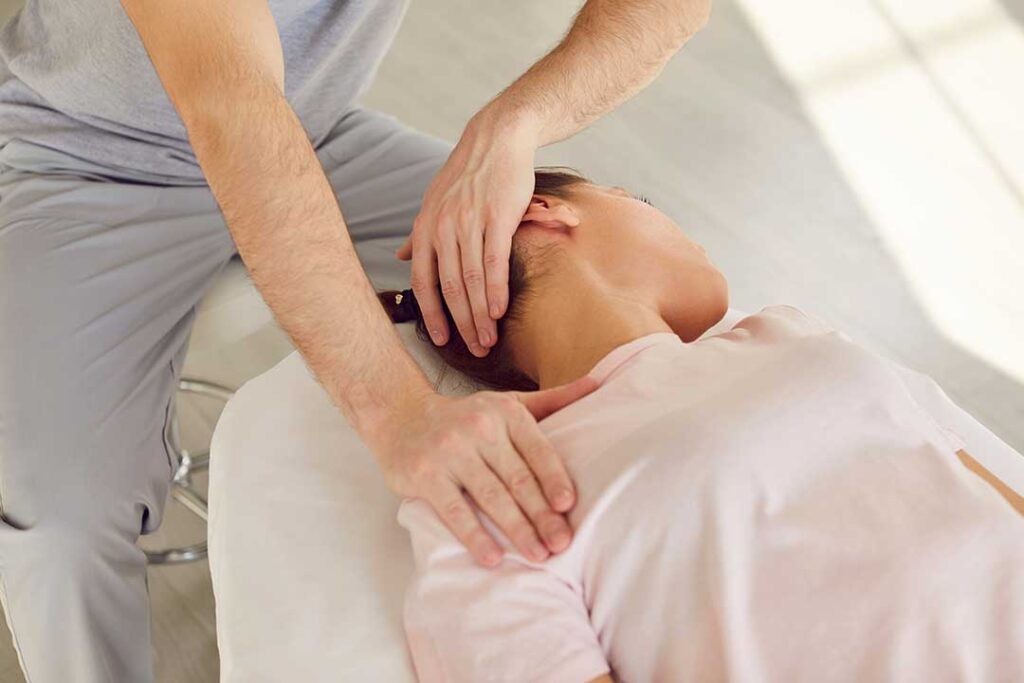
A chiropractor may assess movement, joint function, muscle tension, and contributing daily habits, while a primary care clinician, physical therapist, or other healthcare professional may be appropriate depending on the symptoms. The most suitable evaluation depends on the severity, duration, and possible cause of the problem.
What is the most useful posture advice?
Avoid treating posture as a test that can be passed or failed. A more useful approach is to notice discomfort early, vary positions, build physical capacity, and arrange daily spaces so the body does not have to remain bent, twisted, or unsupported for long periods.
For many people, better posture begins with simple changes: raising a screen, supporting the feet, relaxing the shoulders, changing position frequently, and adding regular movement to the day. These habits cannot prevent every cause of pain, but they can reduce avoidable strain and help residents remain more comfortable during work, commuting, household responsibilities, and leisure.
