
Can chiropractic adjustments help with PMS symptoms?
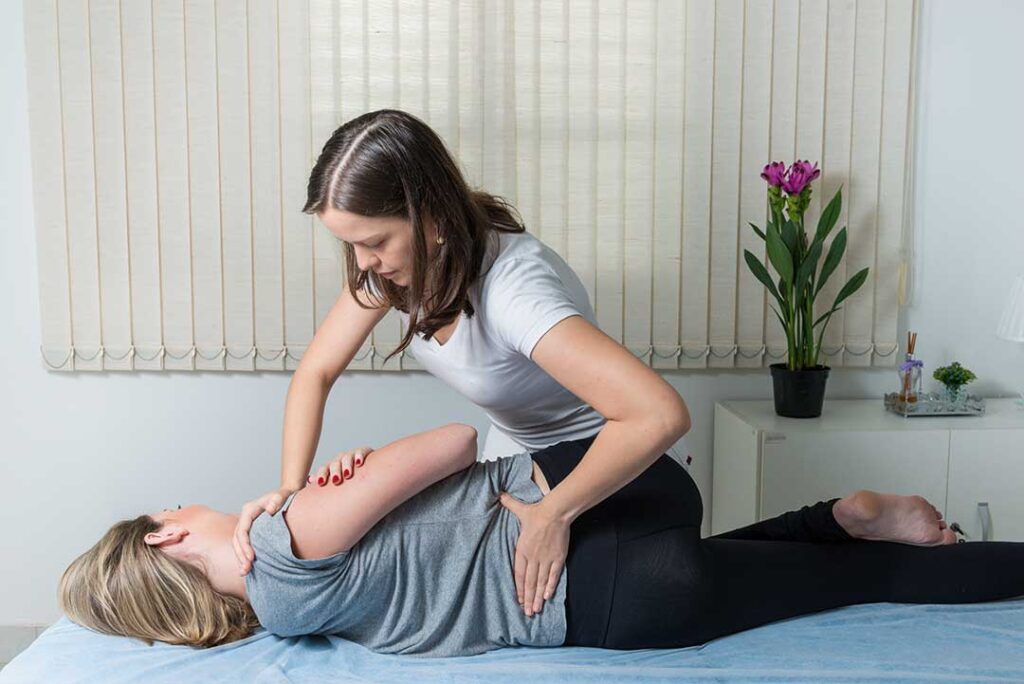
Chiropractic adjustments may help some people feel less discomfort from muscle tension, low-back pain, or pelvic-area aches that occur before a period. However, there is not strong evidence that spinal adjustments treat the underlying hormonal changes responsible for premenstrual syndrome, or PMS.
PMS includes a broad group of symptoms that appear during the days or two weeks before menstruation and usually improve after bleeding begins. Symptoms may include:
- Abdominal cramping or bloating
- Low-back or hip discomfort
- Breast tenderness
- Headaches
- Fatigue or sleep changes
- Irritability, anxiety, sadness, or difficulty concentrating
- Food cravings or appetite changes
An adjustment should therefore be viewed, at most, as a possible supportive approach for musculoskeletal discomfort—not as a proven treatment for PMS itself.
Why might someone feel better after an adjustment?
PMS can affect the way a person sits, sleeps, walks, and moves. Abdominal bloating, breast tenderness, fatigue, or cramping may lead to guarded posture and increased tension through the lower back, hips, abdomen, and shoulders. A person who spends long periods sitting at work, commuting, studying, or managing household responsibilities may notice these effects more clearly.
Manual care may temporarily reduce joint stiffness or muscle tension and may make movement more comfortable. If low-back pain is part of a person’s usual premenstrual pattern, that change could feel like an improvement in PMS.
This is different from correcting a hormonal imbalance. Chiropractic adjustments do not regulate ovarian hormones, prevent ovulation, treat endometriosis, or address every cause of menstrual pain.
What does the research show?
Research on spinal manipulation for menstrual pain has produced mixed findings, and much of it has involved dysmenorrhea, meaning painful periods, rather than the full range of PMS symptoms. Some small studies report reduced pain, while reviews have found that the overall evidence is limited or inconclusive.
There is even less reliable evidence that adjustments improve mood changes, bloating, breast tenderness, food cravings, or fatigue. Those symptoms are influenced by hormonal sensitivity, sleep, stress, nutrition, and other health factors that an adjustment cannot directly correct.
A reasonable interpretation is that chiropractic care might help a person’s associated back or muscle pain, but claims that it treats PMS broadly are not well established.
Which PMS symptoms are more likely to respond?
Musculoskeletal symptoms are the most plausible area for short-term benefit. These may include:
- Aching in the low back or pelvis
- Stiffness after sitting or sleeping
- Muscle tightness related to altered posture
- Reduced comfort with walking, bending, or ordinary daily movement
Symptoms less likely to respond directly include severe mood changes, significant bloating, breast tenderness, heavy bleeding, and persistent fatigue. If these symptoms are prominent, a medical evaluation is more useful than relying on adjustments alone.
Keeping a symptom diary for at least two menstrual cycles can help identify patterns. Record the first day of bleeding, the days symptoms begin, pain location, mood changes, sleep, medications, and how symptoms affect work or home life. This can help distinguish PMS from conditions that cause pain throughout the month.
What other strategies have better-established support?
Several approaches are commonly used for PMS and painful periods. The right choice depends on medical history, current medications, pregnancy plans, and the type of symptoms involved.
Regular aerobic activity—such as brisk walking, cycling, swimming, or similar movement—may reduce physical and emotional symptoms for some people. Gentle stretching, yoga, breathing exercises, and consistent sleep may also help with tension and stress.
For cramping or other pain, nonsteroidal anti-inflammatory drugs, including ibuprofen or naproxen, may be useful when taken safely and according to label directions. These medications are not appropriate for everyone, particularly people with certain stomach, kidney, liver, bleeding, asthma, allergy, or pregnancy-related concerns.
Hormonal birth control can reduce some PMS or period-related symptoms by changing ovulation and menstrual patterns. Some people with severe mood-related symptoms may need treatments specifically directed at depression, anxiety, or premenstrual dysphoric disorder, also called PMDD.
During colder months, local residents may spend more time indoors and move less than usual. That can increase stiffness and make premenstrual back discomfort more noticeable. Indoor walking, mobility exercises, and maintaining regular sleep and meal routines may be practical additions during those periods.
Is chiropractic care safe for everyone?
Spinal manipulation is generally associated with temporary soreness, stiffness, or headache in some people. Serious complications are uncommon, but risk can be higher for people with certain underlying health conditions.
A complete health history matters before any adjustment. Extra caution is appropriate with osteoporosis, recent fractures, inflammatory arthritis, connective-tissue disorders, cancer affecting the bones, blood-clotting problems, neurological symptoms, recent surgery, or significant trauma.
Anyone who is pregnant, may be pregnant, takes blood-thinning medication, or has unexplained pelvic or abdominal pain should discuss care options with an appropriate medical clinician. Adjustments should not be used to delay evaluation of symptoms that may have a gynecologic, gastrointestinal, urinary, or neurological cause.
When should PMS symptoms be medically evaluated?
PMS deserves medical attention when symptoms interfere with work, school, relationships, sleep, or routine activities. Evaluation is especially important if pain is new, steadily worsening, present throughout the month, or not limited to the days before menstruation.
Prompt assessment is appropriate for:
- Very heavy bleeding or bleeding between periods
- Fainting, severe weakness, or shortness of breath
- Sudden or severe pelvic pain
- Fever, vomiting, or unusual vaginal discharge
- Pain during sex or bowel movements
- New numbness, weakness, or loss of bladder or bowel control
- Severe depression, hopelessness, or thoughts of self-harm
These signs may point to conditions such as endometriosis, fibroids, anemia, pelvic infection, ovarian problems, or PMDD rather than uncomplicated PMS.
A practical way to think about adjustments
For residents in Lynbrook, an adjustment may be reasonable as a complementary option when premenstrual symptoms include manageable back or muscle discomfort and no warning signs are present. It should not be presented as a cure for PMS or as a substitute for gynecologic care.
The most useful plan usually combines symptom tracking, regular movement, sleep and stress support, safe pain management, and medical evaluation when symptoms are severe or unusual. Chiropractic care may fit into that plan for selected musculoskeletal complaints, while the broader hormonal and emotional features of PMS require a more comprehensive approach.
