
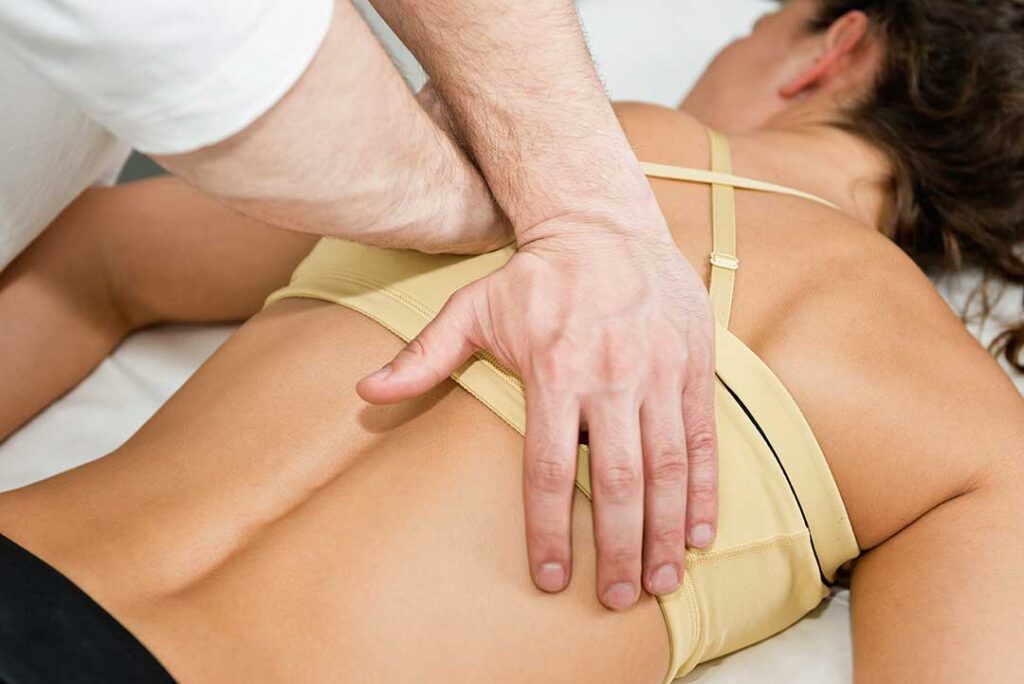
What is the Graston Technique?
For residents of Lynbrook, NY, the Graston Technique may come up when looking for options for muscle tightness, tendon irritation, scar tissue, or restricted movement. It is a form of instrument-assisted soft-tissue mobilization, often abbreviated as IASTM.
During treatment, a trained practitioner uses smooth, contoured tools—commonly made of stainless steel or another firm material—to examine and gently work over areas of soft tissue. The technique is intended to complement, not replace, a broader care plan that may include exercise, mobility work, posture changes, manual therapy, or activity modification.
The tools are not designed to “scrape” tissue away or forcefully break up every area that feels tight. Instead, they allow the practitioner to apply controlled pressure while assessing how the tissue responds.
What happens during a session?
A typical session begins with questions about symptoms, activity, previous injuries, medications, and health conditions. The area may then be examined through movement, touch, and range-of-motion testing.
A small amount of lotion or similar lubricant is generally used so the instrument can glide over the skin. Treatment may involve short strokes, longer passes, or focused work around a muscle, tendon, ligament, or scar.
People commonly describe the sensation as pressure, warmth, mild discomfort, or a feeling of friction over a tight area. Sharp pain, burning, numbness, or intense discomfort should not be treated as a normal goal. Pressure and technique can be adjusted based on the person’s response.
Treatment areas may include:
- The shoulder and upper back after prolonged desk or device use
- The forearm and elbow in people with repetitive gripping demands
- The hip, thigh, knee, or calf after changes in walking or exercise
- The ankle or foot following a sprain or other soft-tissue injury
- Healed surgical or traumatic scars when mobility around the scar is restricted
The technique may be used before movement exercises to make motion more comfortable, or afterward as part of recovery-focused care.
What conditions might it help?
Research on instrument-assisted soft-tissue mobilization suggests that it may provide short-term improvements in pain, flexibility, and function for some musculoskeletal problems. Results vary by condition, treatment plan, and individual response. It should not be viewed as a guaranteed treatment or a cure for the underlying cause of pain.
It may be considered as one part of care for:
- Tendon-related problems, such as some cases of tennis elbow or Achilles discomfort
- Muscle strain and post-activity soreness
- Limited joint motion associated with tight surrounding tissues
- Scar-related restrictions after the skin and deeper tissues have healed
- Certain repetitive-use problems involving the wrist, forearm, shoulder, or neck
- Some mechanical low-back or mid-back complaints when soft-tissue tension is contributing to limited movement
The strongest practical use is usually as an addition to active rehabilitation. Exercises that improve strength, coordination, balance, and tolerance for everyday activity are often more important for lasting progress than passive treatment alone.
For example, a person who develops calf tightness after walking on icy sidewalks may temporarily feel looser after soft-tissue work, but gradual strengthening, comfortable walking progression, and attention to footwear and walking surfaces may be more useful for preventing recurrence.
Does it actually break up scar tissue?
The phrase “break up scar tissue” is commonly used, but it can create an inaccurate picture. A tool does not mechanically shred or erase internal scar tissue. Soft-tissue treatment may influence local sensitivity, movement between tissue layers, muscle tone, and a person’s tolerance for stretching or activity.
Scar tissue can sometimes restrict motion, particularly after surgery, a significant injury, or prolonged immobilization. However, treatment is appropriate only after the tissue has adequately healed. Working aggressively over a fresh wound, open skin, infection, or recently repaired structure can cause harm.
A better way to think about the technique is that it may help a person move more comfortably while the body adapts during rehabilitation.
Is bruising normal?
Mild redness or tenderness can occur after treatment, and some people develop small areas of bruising. Bruising results from small blood vessels leaking beneath the skin; it is not proof that treatment was more effective.
Large, painful, worsening, or repeated bruises deserve attention. People who take blood-thinning medication, have a bleeding disorder, bruise easily, or use supplements that affect clotting should disclose that information before treatment. The practitioner may choose lighter pressure, a different technique, or no instrument-assisted treatment.
Pain that continues to intensify, new numbness or weakness, marked swelling, skin breakdown, or symptoms that do not fit the treated area should not be dismissed as routine soreness.
Who should be cautious?
Graston-style treatment is not suitable for every person or every body area. Extra caution is needed with:
- Open wounds, rashes, active skin infections, or unexplained skin changes
- Recent surgery or an injury that has not fully healed
- Suspected fractures, blood clots, or significant swelling
- Severe osteoporosis or unusually fragile skin
- Bleeding disorders or medications that substantially increase bleeding risk
- Areas with reduced sensation, where excessive pressure may not be felt
- Known tumors or unexplained masses
- Acute inflammation where pressure clearly worsens symptoms
Pregnancy does not automatically rule out all soft-tissue care, but treatment location, pressure, positioning, and the person’s medical history matter. A pregnant patient should disclose the pregnancy before any hands-on technique is performed.
The technique also should not delay evaluation of warning signs such as unexplained weight loss, fever, progressive weakness, loss of bladder or bowel control, major trauma, or severe pain that is constant and unrelated to movement.
How is it different from massage or spinal manipulation?
Massage primarily uses the hands to apply pressure, kneading, compression, or gliding strokes. Instrument-assisted treatment uses a tool to provide more focused contact and feedback over selected tissues.
Spinal manipulation is different again. It involves a controlled movement directed at a spinal or other joint, while Graston-style treatment is aimed mainly at muscles, tendons, fascia, and related soft tissues. The two may be used separately or together, but one does not automatically make the other necessary.
The choice should be based on the suspected source of symptoms, examination findings, health history, and personal comfort—not on the assumption that a more intense technique will produce better results.
What should residents consider before treatment?
Seasonal habits in the community can affect soft-tissue complaints. Winter walking on slick surfaces, spring yard work, commuting, prolonged sitting, and sudden increases in recreational activity can all expose tissues to loads they are not prepared to handle.
Before treatment, it is useful to ask:
- What specific problem is being treated?
- What changes should be expected after one or several sessions?
- What exercises or daily modifications will support recovery?
- How will progress be measured?
- What symptoms would mean the technique should stop?
- Are medications or health conditions relevant to bruising or healing?
A reasonable plan should include a clear explanation of the suspected problem and an active strategy for restoring function. If symptoms are worsening, recurring without explanation, or accompanied by neurological or systemic warning signs, hands-on treatment should not be used as a substitute for appropriate medical evaluation.
