

What does mobility mean for older adults?
Mobility is more than walking speed. It includes the ability to stand from a chair, turn safely, climb stairs, reach overhead, get in and out of a car, and move around the home without excessive pain or fear of falling.
For older residents in Lynbrook, NY, maintaining mobility can support independence and participation in daily life. A person who can move comfortably may be more likely to shop, visit neighbors, use local sidewalks, manage household tasks, and remain active through changing weather and seasonal conditions.
Chiropractic care may support mobility by addressing certain joint, muscle, and movement problems. It is generally most useful as one part of a broader plan that may also include exercise, fall prevention, medication review, and evaluation of medical conditions.
How can chiropractic care affect movement?
Chiropractic care commonly focuses on the relationship between the spine, joints, muscles, and nervous system. Depending on a person’s condition, care may include gentle manual techniques, mobility exercises, stretching, posture education, and advice about moving more safely.
Potential benefits may include:
- Reduced stiffness in the back, neck, hips, or other joints
- Improved joint movement
- Better tolerance for walking or standing
- Greater comfort during transfers, such as rising from a chair
- Increased awareness of posture and movement habits
- Guidance on exercises that support flexibility and coordination
These effects are not guaranteed, and chiropractic care does not reverse normal aging or repair every source of limited mobility. The practical goal is often to make movement more comfortable and predictable so that a person can participate more consistently in safe physical activity.
Why does joint stiffness increase with age?
Aging can involve changes in muscles, connective tissue, joints, balance systems, and reaction time. Arthritis, previous injuries, reduced activity, osteoporosis, neurological conditions, and long periods of sitting can also affect how freely a person moves.
Stiffness often becomes more noticeable after waking, sitting through a long meal, riding in a car, or spending time indoors during cold or icy weather. In a closely settled community with many homes, stairs, sidewalks, and household responsibilities, these limitations can affect ordinary tasks rather than only exercise.
Gentle joint movement and regular activity may help prevent a cycle in which pain leads to inactivity, inactivity leads to weakness, and weakness makes movement more difficult. Chiropractic treatment may help some people manage discomfort within that cycle, but strengthening and balance work remain essential.
Can chiropractic care help with balance and fall prevention?
Chiropractic treatment alone should not be considered a complete fall-prevention program. Balance depends on leg strength, vision, inner-ear function, sensation in the feet, medication effects, attention, and the safety of the surrounding environment.
Some people may feel steadier when joint discomfort or restricted movement is reduced. Better movement in the ankles, hips, or spine may make it easier to adjust posture while walking. However, improved balance usually requires specific practice.
Helpful activities may include:
- Standing from a chair with controlled movement
- Walking heel-to-toe near a secure support
- Practicing side steps
- Performing leg-strengthening exercises
- Working on balance under appropriate supervision
- Walking regularly at a comfortable pace
A sturdy counter, wall, or chair should be nearby during balance exercises. Loose rugs, poor lighting, cluttered walkways, and slippery outdoor surfaces can also increase fall risk. During icy or wet conditions, footwear and route selection deserve extra attention.
What types of chiropractic care may be appropriate for seniors?
Older adults are not all alike. A technique that is reasonable for one person may be unsuitable for another because of osteoporosis, spinal surgery, arthritis, blood-thinning medication, recent injury, or other health concerns.
Care may involve low-force or non-thrust techniques, assisted stretching, soft-tissue work, positioning, and exercise instruction. Some individuals may tolerate carefully selected spinal or joint manipulation, while others may need a more conservative approach.
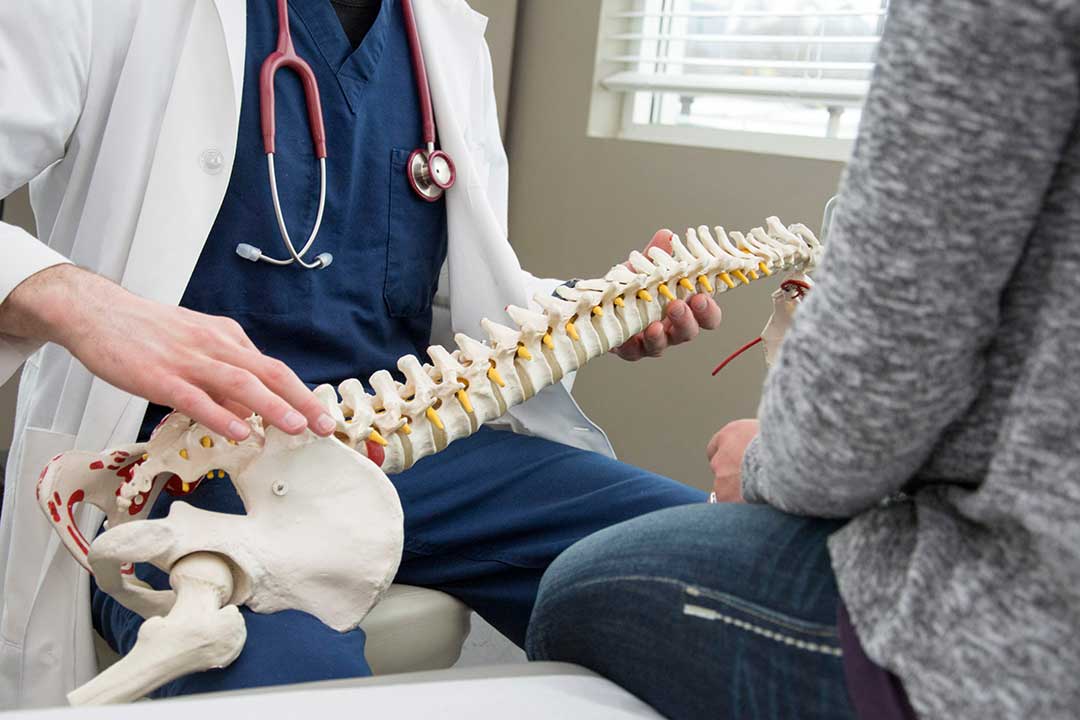
A thorough health history should include:
- Previous fractures or falls
- Osteoporosis or low bone density
- Joint replacements or spinal surgery
- Numbness, weakness, or changes in coordination
- Blood-thinning medication
- Cancer, infection, or unexplained weight loss
- Recent changes in bladder or bowel control
- Dizziness or fainting
The presence of these issues does not automatically rule out all hands-on care, but it can change what is considered safe. Treatment should be adapted to the individual rather than based only on age or a general diagnosis such as “back pain.”
Is chiropractic care a replacement for exercise or medical treatment?
No. Exercise is a central part of preserving mobility in later life. Older adults generally benefit from a mix of aerobic activity, muscle strengthening, flexibility work, and balance training. These activities support the strength and coordination needed for walking, stairs, carrying objects, and household tasks.
Chiropractic care may help make movement more comfortable, but lasting functional improvement usually depends on using the improved movement. For example, a person with less hip stiffness may still need gradual strengthening to rise from a low chair more easily.
Medical evaluation is also important when mobility changes suddenly or continues to worsen. Pain may result from arthritis, nerve compression, circulation problems, medication effects, a fracture, or another condition that requires different care.
What symptoms require prompt medical attention?
Some symptoms should not be managed as routine stiffness. Prompt medical evaluation is appropriate for sudden weakness, new numbness, loss of coordination, severe or unexplained pain, fever with back pain, pain after a fall, or inability to bear weight.
New problems with speech, facial movement, vision, or one-sided strength may indicate an emergency. Loss of bladder or bowel control combined with significant back symptoms also requires urgent assessment.
A fall should be taken seriously even if there is little pain at first, especially for anyone with osteoporosis or who takes medication that increases bleeding risk.
How can older adults in the community use care safely?
A useful approach is to define a practical movement goal, such as walking through the home more easily, standing from a dining chair, or turning safely in the kitchen. Progress can then be judged by function rather than by whether a joint “feels adjusted.”
Keeping a simple record of walking tolerance, stiffness, balance confidence, and daily tasks can help identify whether movement is improving. Changes should be gradual, and exercises should not produce sharp pain, increasing weakness, or repeated dizziness.
The most effective mobility plan is usually coordinated. Chiropractic care may have a role in reducing certain movement-related discomforts, while exercise, safe footwear, adequate lighting, home modifications, medication review, and appropriate medical care address other contributors. Together, these measures can help older adults remain active and independent for as long as possible.
