
Minor aches and pains are easy to dismiss, especially after a long workday, a weekend project, a workout, or a night of poor sleep. Yet recurring discomfort can sometimes signal a movement problem, an irritated joint, a strained muscle, or a condition that becomes harder to manage if it continues unchecked.
For residents of Lynbrook, NY, everyday routines can place repeated demands on the body. Commuting, desk work, carrying children, climbing stairs, shoveling after winter weather, and spending long periods sitting or driving may all contribute to stiffness and soreness. The goal is not to treat every brief ache as an emergency. It is to recognize patterns that deserve attention.
Is a minor ache always harmless?
No. A mild ache may result from temporary muscle fatigue, an awkward sleeping position, or normal soreness after unfamiliar activity. These problems often improve with gentle movement, reasonable rest, and time.
However, discomfort should not be judged only by its intensity. A pain rated as “minor” may still matter if it:
- Keeps returning in the same location
- Gradually becomes more frequent or intense
- Changes the way a person walks, lifts, sleeps, or works
- Spreads into an arm, leg, hip, or shoulder
- Occurs with numbness, tingling, weakness, swelling, or loss of motion
- Continues after the original activity has stopped
Pain is a protective signal, but it does not always accurately reflect the amount of tissue irritation. A small injury can feel quite painful, while a meaningful problem may begin with only mild discomfort.
Why can a small problem become a bigger one?
Persistent discomfort can influence how the body moves. Someone with a sore knee may shift weight to the other side. A person with low back pain may avoid bending and rotate through the hips or shoulders instead. Someone with neck stiffness may turn the entire torso rather than moving the head.
These adjustments may reduce discomfort briefly, but repeated compensation can place extra strain on nearby muscles and joints. Over time, reduced movement may also lead to stiffness, weakness, and lower tolerance for ordinary activities.
Pain that continues for months can become more complicated than the original strain. The nervous system may become more sensitive, causing normal movement or light pressure to feel unusually uncomfortable. This does not mean the pain is imaginary. It means that early attention may be useful before pain begins affecting sleep, activity, mood, and confidence.
What everyday habits commonly contribute to aches?
Minor musculoskeletal pain often develops from repeated exposure rather than one dramatic injury. Common contributors include:
- Long periods of sitting without changing position
- Working from a laptop with the screen or keyboard placed too low
- Carrying bags, groceries, or children mostly on one side
- Repeating the same lifting, reaching, or bending motion
- Increasing exercise intensity too quickly
- Sleeping in a position that leaves the neck or shoulder unsupported
- Wearing footwear that changes normal walking mechanics
- Returning to outdoor chores after months of reduced activity
Seasonal routines can also matter. Cold weather may lead people to move less, while snow and ice can increase the risk of slips, sudden twisting, and forceful shoveling. During warmer months, yard work, recreational activity, and home projects may place new demands on the back, shoulders, wrists, and knees.
What should a person do when an ache first appears?
The first step is to reduce the activity that clearly aggravates the pain without stopping all movement. Prolonged bed rest can increase stiffness and weakness for many common back and joint problems.
Helpful early measures may include:
- Taking short movement breaks instead of remaining in one position
- Using gentle range-of-motion activity that does not sharply increase symptoms
- Alternating tasks to avoid repeating the same motion
- Applying cold after a new strain if swelling or irritation is present
- Using warmth for stiffness when it feels soothing
- Improving workstation height, chair support, and screen position
- Returning to exercise gradually rather than testing the painful area repeatedly
Over-the-counter pain medicines may help some people, but they are not appropriate for everyone. People with kidney disease, ulcers, blood-thinning medication use, allergies, pregnancy, or other medical concerns should check with a qualified medical provider before using them.
When should minor pain be evaluated?
Pain deserves evaluation when it does not follow a steady pattern of improvement or begins interfering with normal function. A useful question is not only, “How much does it hurt?” but also, “What can no longer be done comfortably?”
Medical or musculoskeletal evaluation may be appropriate when pain:
- Persists beyond several days after a minor strain
- Reappears repeatedly over weeks
- Causes limping or changes in posture
- Limits sleep, work, exercise, or household responsibilities
- Travels along an arm or leg
- Comes with tingling, numbness, weakness, or reduced coordination
- Follows a fall, collision, lifting injury, or other significant event
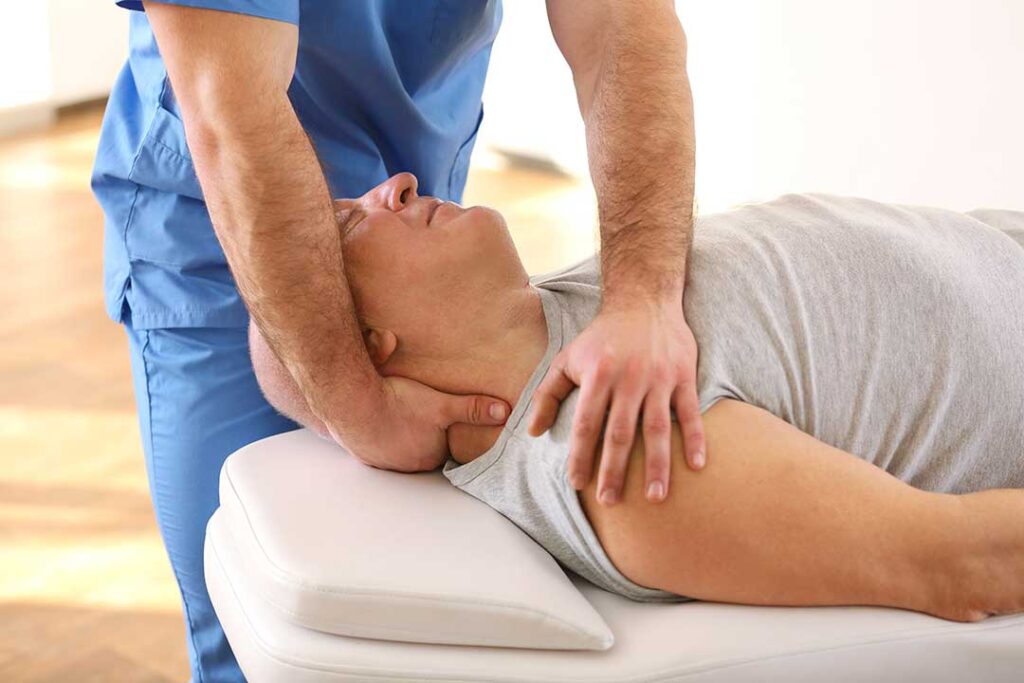
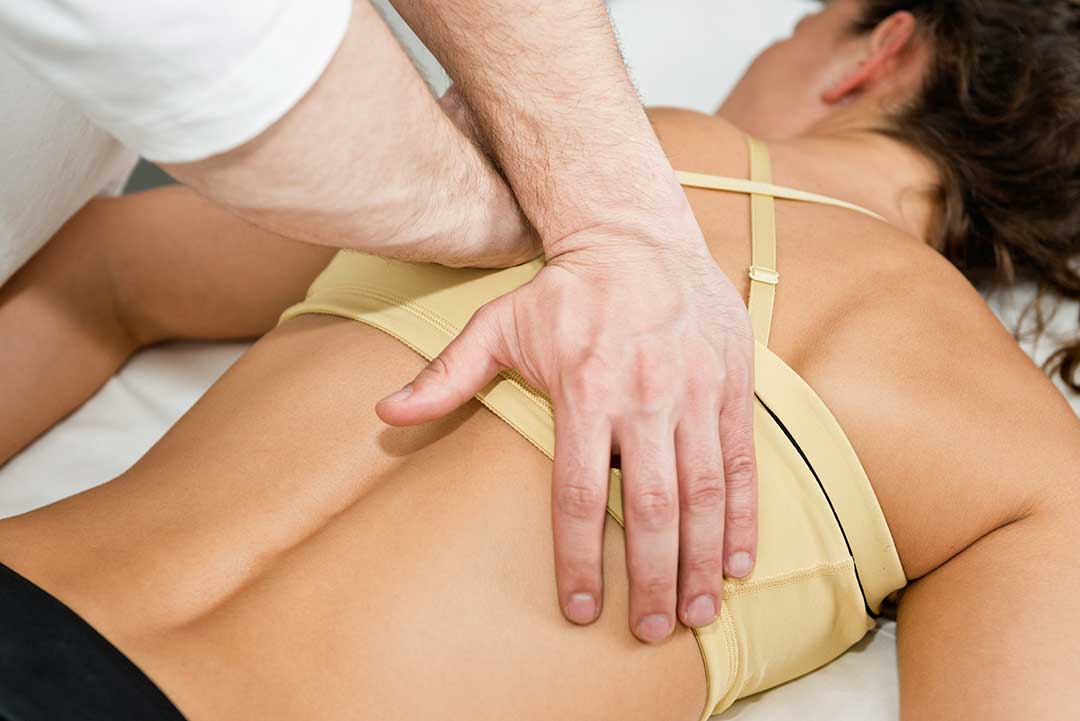
A chiropractor may assess movement, joint function, muscle involvement, and mechanical contributors to certain aches. That type of evaluation is not a substitute for medical care when symptoms suggest infection, fracture, nerve compression, internal disease, or another condition requiring a different form of treatment.
Which warning signs require prompt medical attention?
Some symptoms should not be managed as an ordinary ache. Prompt medical evaluation is warranted for severe or rapidly worsening pain, major swelling or deformity, inability to bear weight, or pain after a serious accident.
Back or neck pain requires urgent attention when accompanied by new loss of bladder or bowel control, numbness around the inner thighs or groin, significant weakness in an arm or leg, or difficulty walking. Fever, unexplained weight loss, a history of cancer, serious infection risk, or pain that is severe at night can also change the level of concern.
Chest pressure, shortness of breath, fainting, sudden one-sided weakness, facial drooping, or trouble speaking are emergencies rather than chiropractic or routine musculoskeletal concerns.
How can residents reduce recurring aches?
Prevention usually depends on consistency rather than a single exercise or posture rule. Change positions regularly, build strength gradually, and avoid treating pain relief as proof that an injured area is ready for heavy activity.
For household tasks, keep loads close to the body, divide heavy items into smaller amounts, and use the legs and hips rather than repeatedly rounding through the lower back. During seasonal chores, take breaks before fatigue affects coordination. A few minutes of warm-up movement may help prepare the body for unfamiliar activity.
Tracking symptoms can also reveal useful patterns. Note what triggers the ache, how long it lasts, whether it spreads, and which movements improve or worsen it. This information can help distinguish a temporary irritation from a recurring problem that deserves a closer look.
Minor pain does not always indicate serious disease, but recurring or changing pain should not be ignored simply because it is tolerable. Paying attention early can help protect mobility, identify warning signs, and prevent a manageable problem from becoming a lasting limitation.
