

Minor aches are common, but they are not always meaningless. A sore lower back after lifting, a stiff neck after screen use, or an aching knee after extra walking may reflect temporary strain. If discomfort keeps returning, gradually worsens, changes how you move, or comes with other symptoms, it deserves closer attention.
For residents of Lynbrook, daily routines can place repeated demands on the body. Commuting, desk work, household tasks, yard work, carrying children, and seasonal snow or cold-weather activities may all contribute to muscle and joint stress. The goal is not to become alarmed by every ache, but to recognize when a small problem may be becoming a larger one.
What can a minor ache be telling you?
Aches often signal that a muscle, joint, tendon, ligament, or nearby nerve is being stressed. Common causes include overuse, an awkward sleeping position, sudden exercise, prolonged sitting, repetitive lifting, or a minor strain.
Pain can also result from changes that are easy to overlook:
- A work chair that encourages slouching
- Carrying a bag on the same shoulder every day
- Reaching, bending, or twisting repeatedly during household chores
- Increasing exercise too quickly
- Wearing footwear that changes how the feet and legs absorb impact
- Guarding an old injury and placing extra stress on another area
An ache may improve when the activity stops, then return when the same movement is repeated. That pattern is useful information. It can show that the underlying irritation has not fully settled or that the provoking habit is still present.
When is it reasonable to monitor an ache at home?
Mild discomfort after unusual activity can often be monitored for a short period if there are no warning signs. Gentle movement, adequate sleep, hydration, and avoiding the specific activity that clearly worsens the pain may help.
Complete bed rest is usually not necessary for ordinary muscle or joint soreness. Light walking and comfortable range-of-motion movements can prevent stiffness. However, movement should not be forced through sharp, escalating, or radiating pain.
Helpful questions include:
- Did the pain begin after a particular activity or injury?
- Is it improving, stable, or getting worse?
- Does it limit walking, lifting, reaching, sleeping, or working?
- Is the discomfort in one spot, or does it travel into an arm or leg?
- Are there symptoms such as numbness, weakness, swelling, fever, or unusual fatigue?
Keeping brief notes for several days can reveal patterns that are difficult to remember later.
Why should recurring pain not be ignored?
Repeated pain can lead people to change how they move. A person with hip discomfort may shift weight to the opposite side. Someone with low back pain may avoid bending and twist instead. A sore shoulder may cause the neck and upper back to work harder.
These adjustments may reduce discomfort for a short time, but they can also create new areas of stiffness or strain. The original issue may not be severe, yet the compensation pattern can gradually affect daily function.
Persistent pain can also become harder to interpret. The nervous system may become more sensitive after a problem continues for a long time, so activities that were once comfortable may begin to feel threatening or painful. Early attention does not guarantee a quick cure, but it can make it easier to identify contributing factors and choose an appropriate plan.
Pain that lasts more than a few weeks, repeatedly returns, or steadily interferes with normal activities should be evaluated rather than dismissed as “just getting older.”
Which symptoms require prompt medical attention?
Some aches are not appropriate for routine self-care. Prompt medical evaluation is warranted after a significant fall, collision, or other injury, especially when pain is severe or movement is substantially limited.
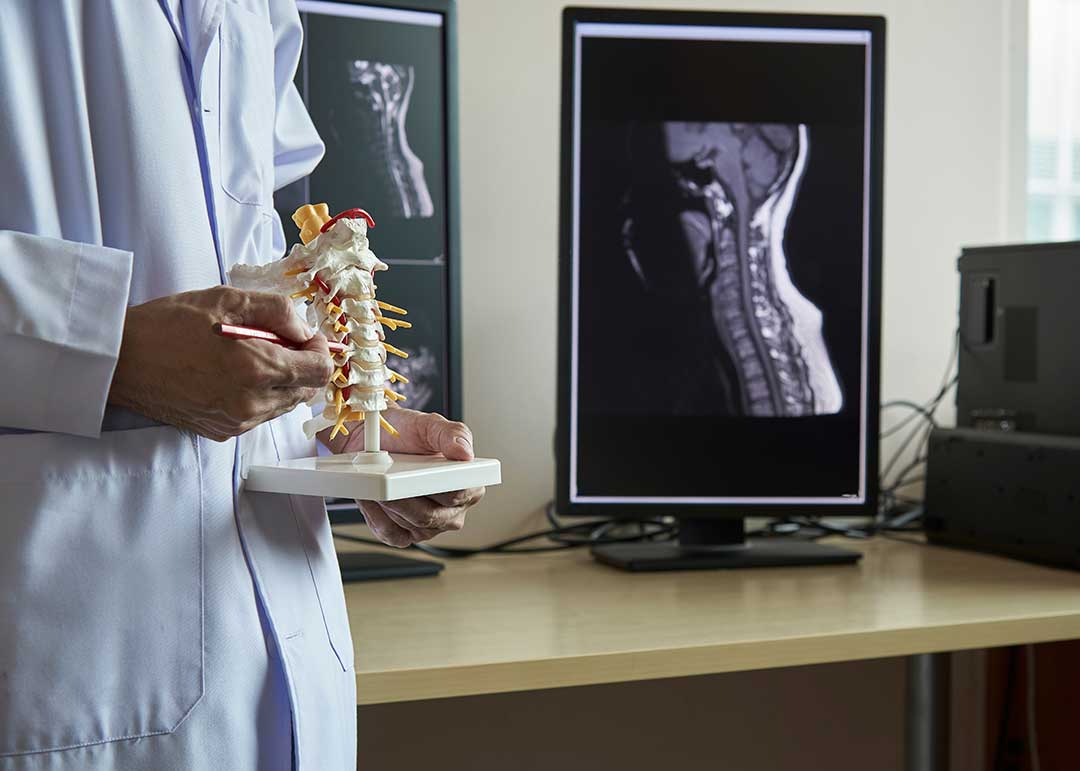
Back or neck pain deserves urgent attention when accompanied by:
- New weakness in an arm or leg
- Numbness that is spreading or severe
- Trouble walking, balancing, or coordinating movement
- Loss of bladder or bowel control
- Numbness around the groin or inner thighs
- Fever, unexplained weight loss, or unusual night sweats
- Pain that is severe at rest or repeatedly wakes a person
- A history of cancer, significant immune suppression, or prolonged steroid use
Chest pressure, shortness of breath, fainting, sudden confusion, or pain associated with sweating or nausea should be treated as an emergency rather than a musculoskeletal problem.
These warning signs do not identify a diagnosis by themselves. They indicate that delaying evaluation could be unsafe.
What role can chiropractic assessment play?
A chiropractic assessment typically considers the location and behavior of pain, movement patterns, posture, muscle and joint function, prior injuries, and health history. The purpose should be to determine whether the complaint appears mechanical and appropriate for conservative care or whether another type of evaluation is needed.
Spinal manipulation is one treatment approach used in chiropractic care. For some people with certain types of back or neck-related musculoskeletal pain, manual treatment may provide short-term relief or improve movement. It is not appropriate for every person or every condition.
A careful assessment should account for osteoporosis, recent trauma, inflammatory disease, neurological symptoms, blood-thinning medication, infection risk, and other health conditions. Mild soreness or stiffness can occur after manual treatment, while serious complications are rare but possible. People should share relevant diagnoses, medications, surgeries, and unusual symptoms before treatment.
Chiropractic care should not be viewed as a substitute for emergency care, medical diagnosis, imaging when clinically necessary, or treatment of conditions outside the musculoskeletal system.
How can residents reduce everyday strain?
The most practical approach is to notice patterns and make small adjustments before discomfort becomes limiting. Change positions regularly during desk work, keep frequently used items within easy reach, and use the legs and hips rather than rounding the back during lifting.
For seasonal tasks, divide heavier work into shorter intervals. Warm up before unfamiliar exercise, avoid sudden increases in intensity, and alternate demanding chores with easier activities. Cold weather may make muscles feel stiffer, so gradual movement before outdoor work can be useful.
Sleep position, stress, and fatigue also matter. Poor sleep can increase pain sensitivity, while stress may contribute to jaw clenching, neck tension, and shallow breathing. These factors do not mean the pain is imaginary; they can influence how strongly the body experiences and responds to physical strain.
The key distinction is between a mild ache that is steadily improving and one that is persistent, recurrent, progressive, or associated with warning signs. Paying attention early helps protect mobility and makes it easier to decide what kind of evaluation, if any, is appropriate.
