
High heels can change the way the feet, legs, pelvis, and spine work together. For some people, occasional wear causes little more than temporary foot fatigue. For others, standing or walking in elevated shoes may contribute to low back discomfort, muscle tightness, balance problems, or recurring pain.
The relationship is not as simple as “high heels always damage the back.” Heel height, shoe design, walking surface, time spent standing, previous injuries, muscle strength, and individual posture all influence how the body responds.
Can high heels cause back pain?
They can contribute to back pain, particularly when worn for long periods or during extensive walking and standing. High heels place the foot in a downward-pointing position and shift more body weight toward the front of the foot. The body then makes adjustments above the ankle to maintain balance.
Those adjustments may include:
- Increased activity in the calf and thigh muscles
- Changes in knee and hip position
- Greater tension through the pelvis and lower back
- A shorter, less stable walking pattern
- More pressure on the ball of the foot
- Reduced ability to respond quickly to uneven surfaces
These changes do not guarantee pain. A person may wear heels without developing back symptoms, while someone with an existing hip, knee, foot, or lower back problem may notice discomfort quickly.
What happens to posture while wearing heels?
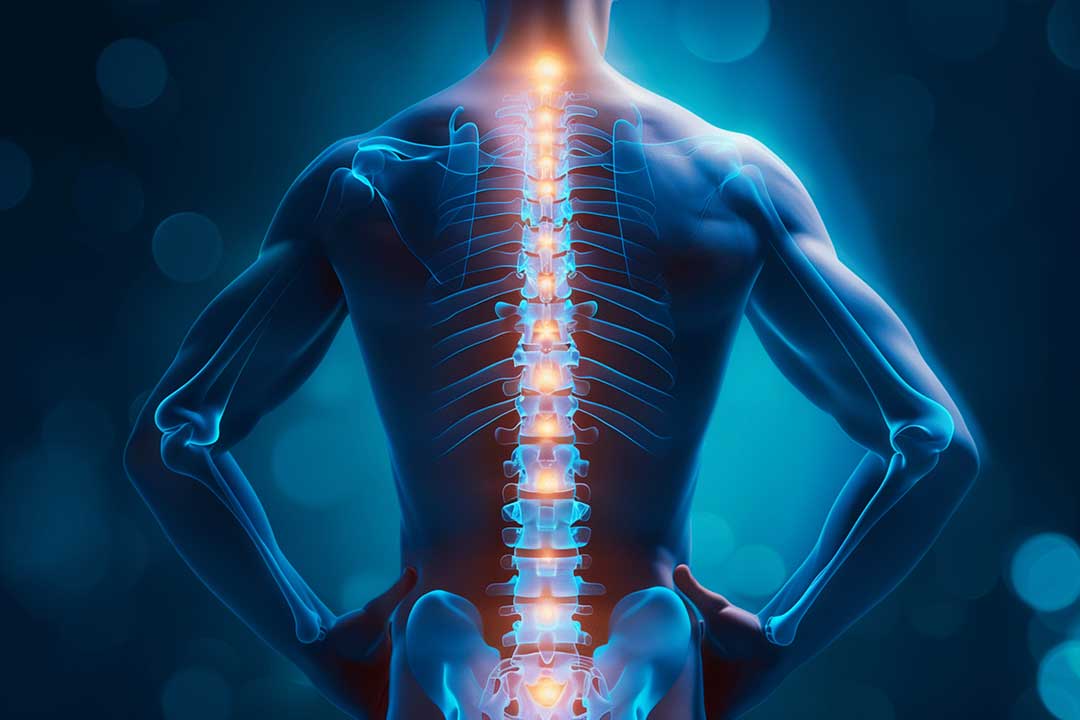
High heels alter posture by raising the heel relative to the forefoot. The body’s center of mass moves forward, and the hips, knees, pelvis, and trunk adjust to keep the person upright.
Many people have heard that heels automatically create an exaggerated inward curve in the lower back. Research has not shown one consistent posture change for every wearer. Some people increase the curve of the lower spine, while others compensate through the pelvis, hips, knees, or upper body. Dynamic walking studies also show that the lower back may move differently than it does during quiet standing.
The practical point is that the spine is responding to a changed base of support. Even if the final posture looks upright, muscles may be working harder to maintain balance.
Why do heels sometimes cause pain in areas other than the back?
The back is only one part of the movement chain. Pain may begin in the foot or ankle and gradually affect the legs and pelvis.
A narrow toe box can compress the toes and increase pressure beneath the forefoot. A high, thin heel reduces the contact area with the ground, making balance more demanding. The calf muscles remain in a shortened position, which can create tightness when the shoes are removed.
Common symptoms linked with prolonged wear include:
- Aching in the ball of the foot
- Calf tightness
- Ankle soreness or instability
- Knee discomfort
- Hip fatigue
- Lower back stiffness
- Foot numbness or burning
- Blisters, calluses, or pressure points
A painful foot can also change the way a person walks. That altered gait may place additional stress on the opposite leg, pelvis, or back.
Does heel height matter?
Yes. In general, greater heel height creates a larger change in foot position and balance demands, but height is not the only factor.
A lower, wider heel may be easier to tolerate than a very high, narrow heel. A supportive upper, secure strap, cushioned sole, and wider toe area may also reduce unwanted movement. However, a comfortable shoe can still become problematic if it is worn for several hours of continuous standing.
The difference between sitting in heels for a short event and walking on hard pavement for an entire day can be substantial. Duration, distance, body weight, walking speed, and surface conditions all matter.
How can someone reduce strain while still wearing heels?
The most useful strategy is to reduce the amount of time spent in the most demanding footwear and give the body opportunities to recover.
Practical steps include:
- Choose a lower or wider heel when walking or standing for long periods.
- Use shoes with enough room for the toes to spread naturally.
- Avoid relying on very narrow or unstable heels on uneven ground.
- Change into lower, more stable footwear during commuting or extended walking.
- Alternate sitting and standing rather than remaining upright for hours.
- Stretch the calves gently after removing the shoes.
- Strengthen the hips, legs, and trunk through regular, pain-free exercise.
- Replace shoes that have unevenly worn soles or no longer provide stable support.
- Avoid suddenly increasing heel height or wearing time.
In Lynbrook, NY, seasonal conditions can make footwear choices especially relevant. Wet pavement, leaves, snow, ice, and uneven sidewalks increase the chance of slipping or twisting an ankle. On days with difficult walking conditions, stability and traction should take priority over heel height.
Are flat shoes always better for the back?
No. A completely flat shoe is not automatically comfortable or supportive for every person. Some flat shoes offer little cushioning, poor structure, or inadequate room for the foot. Others may cause a person to grip with the toes or change their walking pattern.
The better question is whether the footwear allows a stable, comfortable gait without increasing symptoms. A moderate heel, supportive sole, and secure fit may work better for some people than either a very high heel or an unsupportive flat shoe.
People with persistent back pain should also consider factors beyond footwear, including prolonged sitting, weak or overworked muscles, sleep position, lifting habits, previous injuries, and general activity level.
When should back pain be evaluated?
Back discomfort that improves after removing the shoes and resting is often less concerning than pain that persists, worsens, or occurs with other symptoms. Repeated episodes may indicate that the footwear is aggravating an underlying movement or musculoskeletal issue rather than being the only cause.
Prompt medical evaluation is appropriate for back pain accompanied by:
- New weakness in a leg
- Progressive numbness or tingling
- Loss of bladder or bowel control
- Numbness around the inner thighs or groin
- Fever, unexplained weight loss, or significant illness
- Pain after a serious fall or collision
- Severe pain that does not improve with rest
A chiropractor, physician, physical therapist, podiatrist, or other qualified health professional may assess how the feet, hips, pelvis, and spine are working together. The appropriate type of care depends on the symptoms and their cause.
What is the main takeaway?
High heels do not affect every person in the same way, and current evidence does not support a single explanation for all heel-related back pain. Still, elevated and unstable shoes can increase balance demands, alter walking mechanics, and place additional stress on the feet, legs, and lower back.
Shorter periods of wear, more stable designs, regular footwear changes, and attention to early symptoms can reduce strain. If pain continues after changing footwear or begins to interfere with walking, work, sleep, or daily activities, it deserves a careful evaluation rather than being dismissed as a normal part of wearing heels.
