
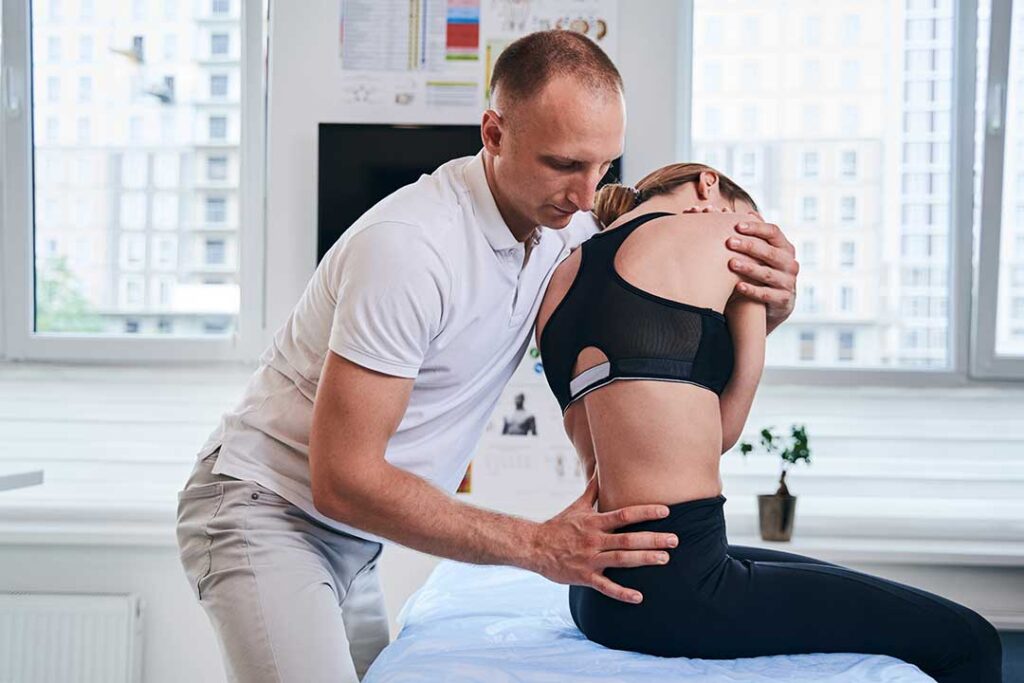
Living independently often depends on ordinary movements: standing from a chair, turning the head to check traffic, walking across a room, climbing stairs, or reaching into a cabinet. For older residents in Lynbrook, NY, chiropractic care may support mobility by addressing certain sources of stiffness, discomfort, and restricted movement.
Chiropractic care is not a cure for arthritis, osteoporosis, neurological disease, or age-related muscle loss. Its potential role is more specific: helping some people move with less pain and better joint function while supporting an overall plan that includes strength, balance, flexibility, and medical care when needed.
What does mobility mean as people age?
Mobility includes more than walking speed. It involves the ability to change position, maintain balance, use the arms and legs comfortably, and perform daily activities without excessive pain or fear of falling.
Mobility can become limited by several overlapping factors:
- Osteoarthritis and joint stiffness
- Back, hip, or neck discomfort
- Reduced muscle strength
- Less flexibility in the spine and limbs
- Changes in balance or gait
- Previous injuries or falls
- Long periods of sitting or inactivity
- Medical conditions affecting nerves, circulation, or coordination
A person may still be physically active while noticing that certain tasks have become harder. For example, getting out of a low chair may require more effort, or walking on uneven sidewalks after winter weather may feel less secure.
How might chiropractic care support movement?
Chiropractic care may help improve mobility by reducing discomfort and encouraging normal movement in joints and surrounding soft tissues. Depending on the individual, care may include gentle joint mobilization, soft-tissue techniques, stretching guidance, posture education, and home exercises.
Some older adults seek care for back or neck pain that makes movement more guarded. When pain decreases, a person may be more willing to walk, stretch, practice balance exercises, or complete household activities. That increased activity can support strength and endurance over time.
The goal should not be forceful movement or trying to “put” every joint back into place. A careful approach considers age, bone health, medications, surgical history, current symptoms, and the person’s functional goals.
Can chiropractic care help with arthritis-related stiffness?
It may help some people manage discomfort and stiffness associated with mechanical joint problems, particularly when treatment is combined with appropriate physical activity. Osteoarthritis commonly affects the knees, hips, spine, hands, and other joints. Symptoms can include pain after activity, stiffness after sitting, and reduced range of motion.
Chiropractic care cannot reverse cartilage loss or eliminate arthritis. However, improving movement in the spine or nearby joints may make certain activities more comfortable. Exercise remains a central part of arthritis management because it can support flexibility, muscle strength, endurance, and joint function.
For an older adult with knee or hip arthritis, a practical mobility plan may include:
- Low-impact walking as tolerated
- Gentle range-of-motion exercises
- Strengthening the muscles around affected joints
- Balance practice near a stable support
- Rest periods that avoid prolonged inactivity
- Adjustments to activities that repeatedly worsen symptoms
New or rapidly worsening joint swelling, warmth, redness, or severe pain requires medical evaluation rather than routine mobility exercises.
Does chiropractic care improve balance or prevent falls?
Chiropractic treatment alone should not be presented as a fall-prevention program. Balance depends on vision, inner-ear function, leg strength, reaction time, footwear, medications, blood pressure, nerve health, and the safety of the home environment.
Care that reduces pain or improves joint movement may make it easier to participate in balance and strengthening activities. Those exercises are usually more directly connected to fall-risk reduction than spinal manipulation by itself.
Older adults may benefit from activities that develop three areas:
- Strength: rising from a chair, climbing stairs, or carrying light objects
- Balance: controlled standing, weight shifting, and direction changes
- Flexibility: gentle movement of the hips, shoulders, ankles, and spine
Anyone with a history of falls, dizziness, fainting, sudden weakness, or significant balance loss should receive a broader medical assessment. These symptoms may have causes that chiropractic treatment cannot address.
Are chiropractic adjustments safe for seniors?
Safety depends on the person, the technique, and the underlying health conditions. Older adults may have osteoporosis, fragile bones, spinal stenosis, inflammatory arthritis, recent fractures, blood-thinning medication use, or other factors that affect treatment choices.

A thorough health history should come before any hands-on care. The approach may need to be modified or avoided when there is a suspected fracture, severe bone weakness, infection, cancer affecting the spine, progressive neurological symptoms, or unexplained severe pain.
Gentle mobilization or exercise-based care may be more appropriate than high-velocity techniques for some older adults. Treatment should never cause sharp, escalating, or unusual pain.
Urgent medical attention is appropriate for symptoms such as:
- New loss of bladder or bowel control
- Sudden weakness, facial drooping, or trouble speaking
- Numbness that is spreading or severe
- Inability to bear weight after an injury
- Severe pain after a fall
- Fever combined with significant back or neck pain
- Unexplained weight loss with persistent pain
What should seniors ask before beginning care?
Useful questions can help clarify whether chiropractic care fits the situation:
- What may be causing the mobility problem?
- Is an examination or imaging needed before treatment?
- Which techniques are appropriate given bone health and medications?
- What improvements should be expected, and over what period?
- What exercises can safely be done at home?
- Which symptoms would require medical referral?
- How will progress be measured in daily activities?
A meaningful goal is often functional rather than abstract. Examples include walking around the block, standing long enough to prepare a meal, turning comfortably in bed, or getting in and out of a vehicle.
How does local living affect senior mobility?
Seasonal conditions can influence how safely older adults move around the community. Cold weather, snow, ice, wet leaves, and uneven pavement can increase hesitation and fall risk. Inside the home, narrow walkways, loose rugs, low lighting, and frequently used items stored too high or too low can also create challenges.
Mobility support is stronger when care extends beyond the treatment table. Helpful measures may include better lighting on stairs, secure handrails, supportive footwear, clear pathways, and regularly practiced strength and balance exercises.
For many seniors, the most useful plan combines appropriate chiropractic care with primary medical care, physical therapy when indicated, regular activity, medication review, vision checks, and practical home-safety changes. The aim is not simply to reduce stiffness for a short time, but to preserve safe, confident movement in everyday life.
