

What is a spinal adjustment?
A spinal adjustment is a controlled manual movement applied to a joint in the spine. The goal is usually to improve movement, reduce mechanical irritation, and help the nervous system and surrounding muscles respond more normally.
The term “adjustment” is commonly used in chiropractic care, while medical research often uses “spinal manipulation” or “spinal manipulative therapy.” These terms can describe several techniques, including:
- A quick, low-amplitude thrust delivered to a spinal joint
- Slower joint mobilization within a comfortable range
- Gentle pressure, stretching, or assisted movement
- Instrument-assisted techniques that use a small mechanical device
An adjustment is not the same as forcing a bone back into place. Spinal joints are not generally “out of alignment” in the dramatic sense people sometimes imagine. Symptoms may instead involve restricted motion, irritated tissues, muscle guarding, altered movement patterns, or sensitivity in the nervous system.
What happens in the body during an adjustment?
The immediate effects are primarily mechanical and neurological. A controlled movement briefly changes pressure and motion within and around a joint. This stimulates sensory receptors in the joint capsule, muscles, tendons, and nearby tissues.
Those signals travel through the nervous system and may influence:
- Muscle activity and protective tension
- The way the brain interprets pain signals
- Joint motion and local stiffness
- Coordination between the spine, pelvis, and limbs
- Confidence with ordinary movement
The audible “pop” sometimes heard during an adjustment is usually caused by a rapid change in pressure within a fluid-filled joint, a process called cavitation. The sound does not prove that a joint was corrected, and a treatment does not need to produce a popping sound to have an effect.
Pain relief may also result from changes in how the brain and spinal cord process sensory information. This is one reason a person may feel better even though an adjustment does not visibly alter the structure of the spine.
Does an adjustment realign the spine?
Usually, the most accurate answer is no—not in the permanent, structural sense suggested by advertising claims. An adjustment can temporarily improve the movement of a stiff joint and may reduce muscle guarding. That can make posture and movement appear more balanced for a period of time.
However, spinal adjustments do not permanently reshape normal bones, cure every form of scoliosis, or correct all causes of back and neck pain. Structural problems such as fractures, severe arthritis, infection, tumors, and significant nerve compression require medical evaluation and may need treatments other than manual therapy.
A useful way to think about an adjustment is as one possible input into a larger movement and pain-management plan. The benefit, when it occurs, is generally measured by improved comfort and function—such as walking, standing, sleeping, bending, or completing household tasks.
What does research say about effectiveness?
Research suggests that spinal manipulation can provide modest improvements in pain and function for some people with acute, subacute, or chronic low-back pain. Results vary, and the average benefit is usually similar in size to other conservative treatments rather than dramatically better than all alternatives.
For chronic low-back pain, evidence-based care commonly includes several options:
- Education about pain and movement
- Gradual exercise and strengthening
- Physical therapy or movement retraining
- Manual therapy, including manipulation or mobilization
- Appropriate medication when needed
- Sleep, stress, and activity adjustments
Spinal manipulation may also help some people with neck pain, although the evidence is less consistent and depends on the specific condition. Claims that spinal adjustments reliably treat asthma, high blood pressure, digestive disorders, infections, or other non-musculoskeletal illnesses are not supported by strong clinical evidence.
The most realistic expectation is short-term or moderate improvement in symptoms and movement—not a guaranteed cure and not necessarily a permanent correction.
Why might results differ from person to person?
Back and neck pain are influenced by more than joint motion. Sleep quality, stress, prior injuries, physical conditioning, work demands, and fear of movement can all affect symptoms.
For residents in Lynbrook, NY, everyday routines may contribute to recurring discomfort. Long periods of sitting during commuting or desk work can reduce movement variety. Seasonal changes may also matter: colder weather can lead some people to move less, while snow, ice, or repeated shoveling can suddenly increase strain on the back and shoulders.
A person who feels better after an adjustment may also be benefiting from several factors occurring together, such as gentle movement, reassurance, temporary muscle relaxation, and returning to normal activity. This does not make the improvement unimportant; it simply explains why spinal care is best evaluated by changes in real-life function rather than by the sound of an adjustment or an image of the spine.
Are spinal adjustments safe?
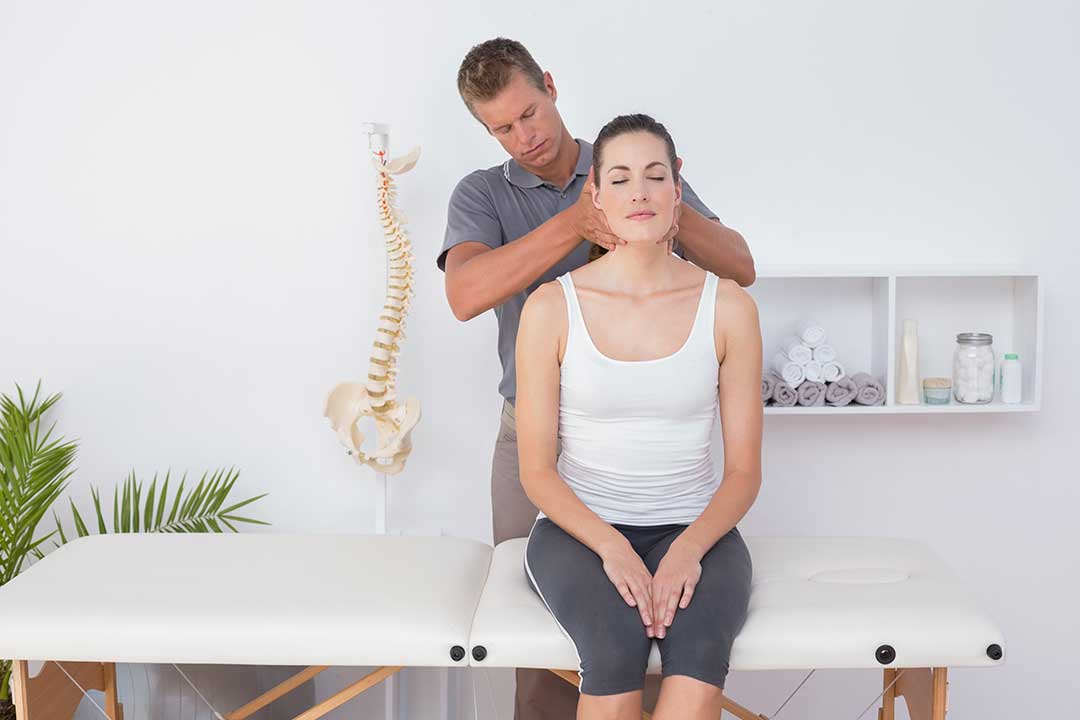
For many healthy adults, spinal manipulation is associated with temporary side effects such as soreness, stiffness, mild fatigue, or a short-lived increase in pain. These effects commonly resolve within a day or two.
Serious complications are rare, but risk depends on the technique, the area treated, and the person’s health history. Neck manipulation deserves particular caution because rare vascular or neurological complications have been reported, and research continues to examine the relationship between neck pain, artery problems, and treatment.
A careful health history should include:
- Recent falls, crashes, or other trauma
- Osteoporosis or a history of fracture
- Blood-clotting conditions or use of blood thinners
- Cancer, infection, or unexplained weight loss
- Numbness, weakness, or changes in coordination
- Recent surgery
- Pregnancy or other conditions requiring modified care
A person should not use spinal manipulation to delay evaluation of severe or unexplained symptoms.
When is back or neck pain a medical warning sign?
Prompt medical evaluation is appropriate for back or neck pain accompanied by:
- New loss of bladder or bowel control
- Numbness around the groin or inner thighs
- Progressive weakness in an arm or leg
- Trouble walking, fainting, or significant loss of coordination
- Fever, unexplained weight loss, or a history of cancer
- Severe pain after a fall or collision
- Sudden severe headache or unusual neurological symptoms
These signs may indicate a condition that requires urgent assessment rather than routine manual treatment.
What should a person expect from evidence-based care?
A responsible approach begins with an examination and a clear explanation of what is being treated. The plan should connect the technique to a practical goal, such as improving neck rotation, reducing back pain during standing, or restoring comfortable movement.
Treatment should also be reassessed. If symptoms are not improving, repeatedly return, or are getting worse, the diagnosis and management plan may need to change. Exercise, activity modification, ergonomic adjustments, and coordination with other health professionals may be more useful than continuing the same technique indefinitely.
Spinal adjustments can be a reasonable option for selected musculoskeletal problems, particularly some forms of low-back pain. Their benefits are best understood as modest, movement-related, and individual—not as proof that the spine was permanently “put back into place.”
