

How much should a child’s backpack weigh?
A practical upper limit is about 10% to 15% of a child’s body weight. For example, a child who weighs 80 pounds should generally carry no more than 8 to 12 pounds, including books, lunch, electronics, sports equipment, and the backpack itself.
This range is a safety guide rather than a guarantee that every child will remain comfortable. A smaller or less physically mature child may develop symptoms with a lighter load, especially if the backpack fits poorly, is carried on one shoulder, or is worn for long periods.
The goal is not simply to meet a number on a scale. A backpack should allow a child to walk upright, move naturally, and carry school materials without pain, numbness, or excessive fatigue.
What happens when a backpack is too heavy?
A heavy backpack changes how a child stands and walks. The child may lean forward, round the shoulders, arch the lower back, shorten the stride, or tilt to one side to keep the load from pulling backward.
These adjustments can increase stress on the neck, shoulders, upper back, and lower back. Common complaints include:
- Aching in the shoulders or back
- Neck tightness or headaches
- Red marks, tingling, or numbness beneath the straps
- Fatigue while walking
- Difficulty standing upright after removing the pack
- Shoulder asymmetry while carrying the bag
- Pain that worsens during long walks or stair use
A heavy backpack is not known to permanently curve a healthy child’s spine by itself. It also does not cause scoliosis. However, it can temporarily affect posture, balance, comfort, and movement. A child who already has a musculoskeletal condition, recent injury, or recurring pain may be more sensitive to the added load.
Does carrying a backpack cause back pain?
It can contribute to back or shoulder pain, particularly when several risk factors occur together. Weight is only one part of the problem. Fit, duration, lifting technique, and how often the bag is carried also matter.
A backpack may be especially stressful when a child carries it:
- Over one shoulder
- Low on the hips
- With loose, narrow, or poorly adjusted straps
- With the heaviest objects farthest from the back
- While running, climbing stairs, or walking long distances
- For many hours without a break
Pain should not automatically be dismissed as a normal part of growing up. A brief feeling of pressure after putting on a bag is different from persistent pain, weakness, numbness, or symptoms that interfere with school, sleep, recreation, or walking.
How should a backpack fit?
A properly fitted backpack sits close to the child’s body and does not hang well below the waist. Both shoulder straps should be used, and the straps should be adjusted so the bag rests comfortably against the upper and middle back.
Useful features include:
- Two wide, padded shoulder straps
- A back panel with some structure and padding
- Multiple compartments for organizing the load
- A waist or chest strap when available and comfortable
- A size that matches the child’s torso rather than an oversized bag
The bottom of the backpack should generally rest near the curve of the lower back, not several inches below it. The top should not extend far above the shoulders or press into the neck.
A backpack does not need to look perfectly symmetrical to be safe, but a child should not routinely carry it on one shoulder. Wearing both straps helps distribute pressure and reduces the need to lean sideways.
What is the safest way to pack it?
The heaviest items should be placed closest to the child’s back. Books, binders, and electronic devices should not be positioned in the outermost pocket if doing so makes the bag pull backward.
Pack smaller items into separate compartments to prevent them from shifting. Remove items that are not needed for that day. A weekly backpack check can eliminate accumulated papers, extra clothing, toys, sports gear, and empty containers.
A simple routine works well:
1. Weigh the fully packed backpack on a household scale.
2. Compare the result with 10% to 15% of the child’s body weight.
3. Remove items that are not needed.
4. Place the heaviest materials nearest the back.
5. Adjust both shoulder straps before leaving home.
6. Recheck the load when the school schedule changes.
For a child weighing 60 pounds, a 6- to 9-pound backpack is the approximate range to keep in mind. The lower end may be more appropriate if the child has pain, poor balance, or a long walk between home, school, transportation, and activities.
Are rolling backpacks better?
Rolling backpacks can reduce shoulder and back loading, but they are not ideal for every situation. They may be difficult to pull over uneven sidewalks, stairs, snow, wet pavement, or crowded walking areas. In a dense community with seasonal rain, icy conditions, and frequent transitions between sidewalks, buildings, and transportation, a rolling bag may create a tripping or twisting hazard.
A rolling backpack should be light enough to control and should be pulled with an upright posture. If a child must repeatedly jerk the bag, twist the trunk, or drag it up stairs, the alternative may create a different strain. School rules and building layouts also matter.
What should parents watch for?
A child’s behavior may reveal that a backpack is too heavy before the child reports pain. Warning signs include putting the bag down frequently, avoiding stairs, walking unusually slowly, leaning forward, rubbing the neck or shoulders, or needing help to lift the backpack.
More concerning symptoms include:
- Persistent or increasing back pain
- Numbness, tingling, or weakness
- Pain traveling into an arm or leg
- Loss of balance
- Pain after a fall or other injury
- Fever, unexplained weight loss, or pain that wakes the child at night
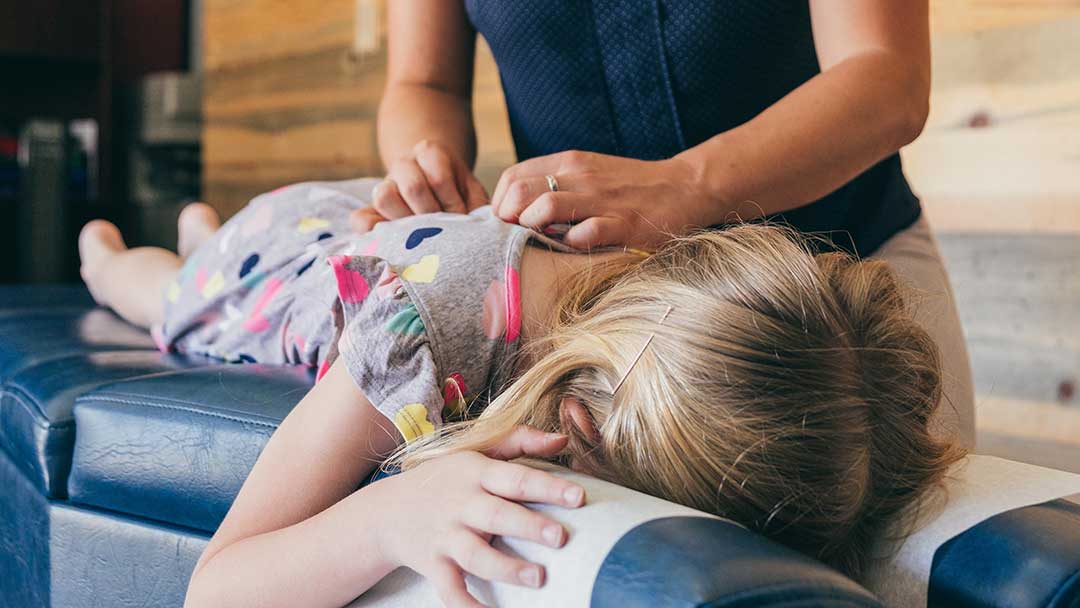
These symptoms deserve evaluation by a qualified healthcare professional. A chiropractor may assess movement, posture, and musculoskeletal contributors, while a pediatrician or other medical clinician may be needed when symptoms suggest an illness, nerve problem, significant injury, or condition outside routine mechanical strain.
How can families reduce backpack problems during the school year?
Start by weighing the bag during the first weeks of school and again after major schedule changes. Encourage children to use lockers, classroom storage, digital materials, or duplicate supplies when those options are available.
Children should also learn to lift the backpack carefully. The safest approach is to place it on a desk or chair, bend at the knees, and lift without twisting. If it must be picked up from the floor, the child should avoid bending sharply at the waist while the full load is hanging from one hand.
The most useful standard is simple: the backpack should be light enough and well adjusted enough that the child can walk upright, see clearly, move freely, and complete the school day without pain.
