

What is a trigger point?
A trigger point is a sensitive, tight area within a muscle or the surrounding connective tissue. Pressing it may reproduce a familiar ache, cause a twitch, or send discomfort into another part of the body.
Trigger points are often described as small “knots,” although they are not usually separate growths or damaged pieces of muscle. They may develop when a muscle is repeatedly overloaded, held in one position for too long, or strained during activity. A trigger point in the upper shoulder, for example, can contribute to pain felt along the neck, shoulder blade, or upper arm.
Some trigger points are painful during normal movement or even at rest. Others are noticeable only when pressure is applied. This difference can make muscle pain difficult to identify without considering posture, recent activity, sleep, stress, and other symptoms.
How do trigger points differ from an ordinary muscle strain?
A strain usually involves overstretching or tearing muscle fibers. It often follows a clear event, such as lifting, reaching, falling, exercising, or making a sudden movement. Swelling, bruising, weakness, or pain with contraction may occur.
Trigger-point pain may develop more gradually. It can follow repetitive tasks such as computer work, driving, carrying bags, gardening, or prolonged phone use. The discomfort may feel deep, dull, tight, burning, or achy rather than sharply localized.
The two problems can also occur together. A strained muscle may remain guarded and tense, creating tender areas that continue to hurt after the initial injury begins to settle.
Why do trigger points form?
Several factors can contribute to muscle tenderness and tight bands:
- Repeated lifting, reaching, or overhead work
- Sudden increases in exercise or walking
- Poorly supported sitting or sleeping positions
- Long periods of driving or desk work
- Stress-related muscle tension, especially in the jaw, neck, and shoulders
- Limited movement after an injury or illness
- Weakness or reduced endurance in supporting muscles
- Repetitive household tasks, including cleaning, shoveling, or carrying groceries
In Lynbrook, seasonal changes may influence these patterns. Cold weather can encourage people to sit indoors for longer periods, while snow and ice removal can place sudden demands on the back, shoulders, and arms. Warm-weather yard work, recreational activities, and longer walks can also cause soreness when the body is not accustomed to the workload.
A trigger point is not always the original cause of pain. It may be a response to another issue, such as a joint problem, nerve irritation, muscle weakness, or altered movement. Treating only the tender spot may provide temporary relief without addressing what keeps irritating the area.
Where are trigger points commonly found?
Trigger points can occur in almost any skeletal muscle. Common locations include:
- The upper trapezius, which spans the neck and shoulder
- Muscles between the shoulder blades
- The lower back and buttocks
- The hip muscles
- The calves and feet
- The chest and front shoulder muscles
- The jaw muscles in people who clench or grind their teeth
Pain may be felt away from the trigger point. A tender area in the shoulder muscle may contribute to a headache-like sensation, while tight hip or buttock muscles may create discomfort near the low back or upper leg. Referred pain can resemble joint or nerve pain, so location alone does not establish a diagnosis.
Numbness, persistent tingling, burning, or noticeable weakness deserves additional attention because these symptoms may involve a nerve rather than muscle tissue alone.
What can residents try safely at home?
For mild muscle pain without warning signs, gentle movement is usually more helpful than complete bed rest. Short walks, comfortable range-of-motion exercises, and frequent position changes can reduce stiffness.
Other reasonable self-care measures include:
- Applying heat to a tight, stiff muscle for a limited period
- Using a cold pack during the first day or two after a recent strain, especially if swelling is present
- Performing slow, comfortable stretches without bouncing
- Taking brief breaks from sitting, driving, or screen work
- Adjusting chair, desk, and monitor height to avoid prolonged neck bending
- Supporting the arms when reading or using a device
- Returning to exercise gradually rather than resuming full intensity immediately
- Drinking enough fluids and eating regularly, particularly during strenuous activity
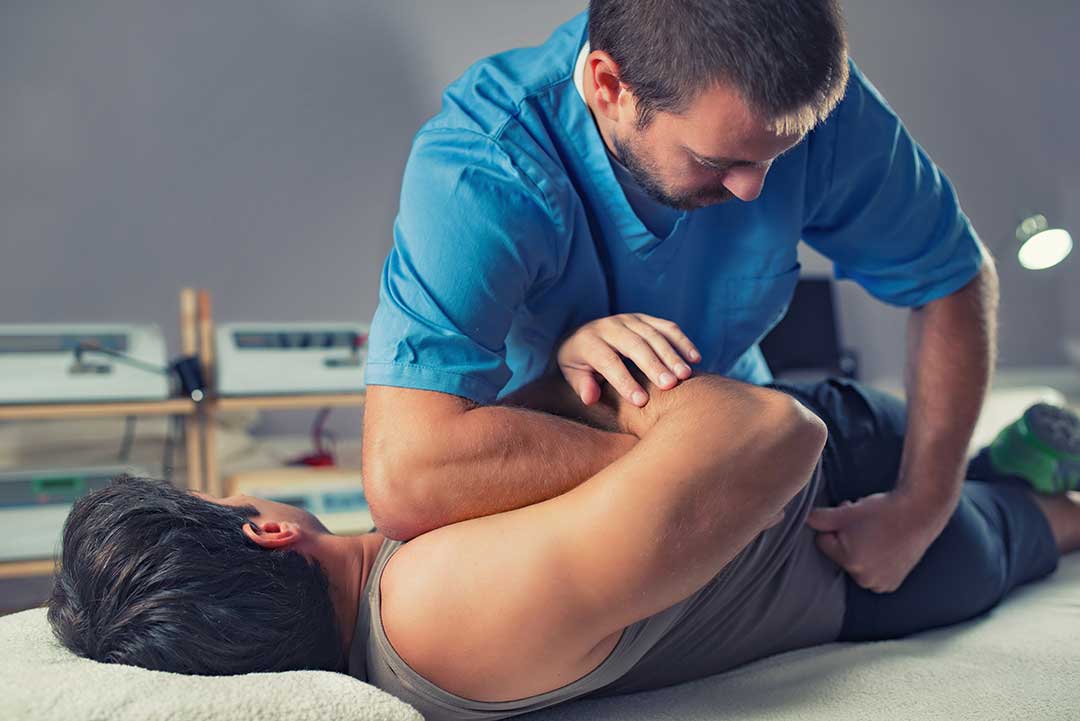
Direct pressure with a massage ball or foam roller may help some people, but it should not be forceful. Sharp pain, bruising, increasing soreness, numbness, or symptoms that travel farther are reasons to stop. The goal is reduced sensitivity and easier movement, not enduring intense pain.
Medication decisions should account for age, pregnancy, kidney or liver conditions, stomach problems, blood-thinning medication, allergies, and other health factors. Instructions on the product label should be followed, and a pharmacist or medical clinician can help identify safer options when there is uncertainty.
Does pressing on a knot prove that it is the cause?
No. A tender spot may be involved in the pain, but tenderness by itself does not confirm that a trigger point is the primary problem. Muscles can become sensitive because of overuse, inflammation, nerve irritation, joint problems, infection, or broader pain conditions.
A careful assessment considers how the pain started, what movements change it, whether strength and sensation are normal, and whether symptoms are improving. Imaging is not always needed for uncomplicated muscle pain, but additional testing may be considered when symptoms are severe, persistent, unusual, or associated with neurological findings.
When should muscle pain be evaluated promptly?
Seek urgent medical care for muscle pain accompanied by trouble breathing, faintness, severe weakness, confusion, a high fever with a stiff neck, or a major injury that prevents normal movement.
Prompt evaluation is also appropriate for:
- Significant swelling, redness, warmth, or drainage near the painful area
- New weakness, loss of coordination, or progressive numbness
- Calf pain with swelling, warmth, or shortness of breath
- Severe pain after a fall or collision
- Pain that does not improve with reasonable home care
- Muscle symptoms that begin after starting or increasing a medication
- Unexplained pain with fever, rash, marked fatigue, or unintended weight loss
Chest, abdominal, or upper-back pain should not automatically be assumed to be muscular, particularly when it occurs with sweating, nausea, dizziness, or breathing difficulty.
How can trigger points be prevented from returning?
Prevention is less about maintaining perfect posture and more about avoiding long periods of the same demand. Change positions regularly, build exercise gradually, strengthen supporting muscles, and use proper technique when lifting.
For household projects, divide heavy tasks into smaller sessions. Keep loads close to the body, avoid twisting while carrying, and take breaks before fatigue changes movement patterns. A balanced routine that includes walking, strength work, mobility, and adequate recovery can help muscles tolerate daily demands more effectively.
If a recurring sore spot keeps returning, the most useful question may not be “How do I release the knot?” but “What activity, weakness, position, or health condition keeps provoking it?” That broader view helps distinguish temporary muscle tightness from a problem that needs more careful evaluation.
