
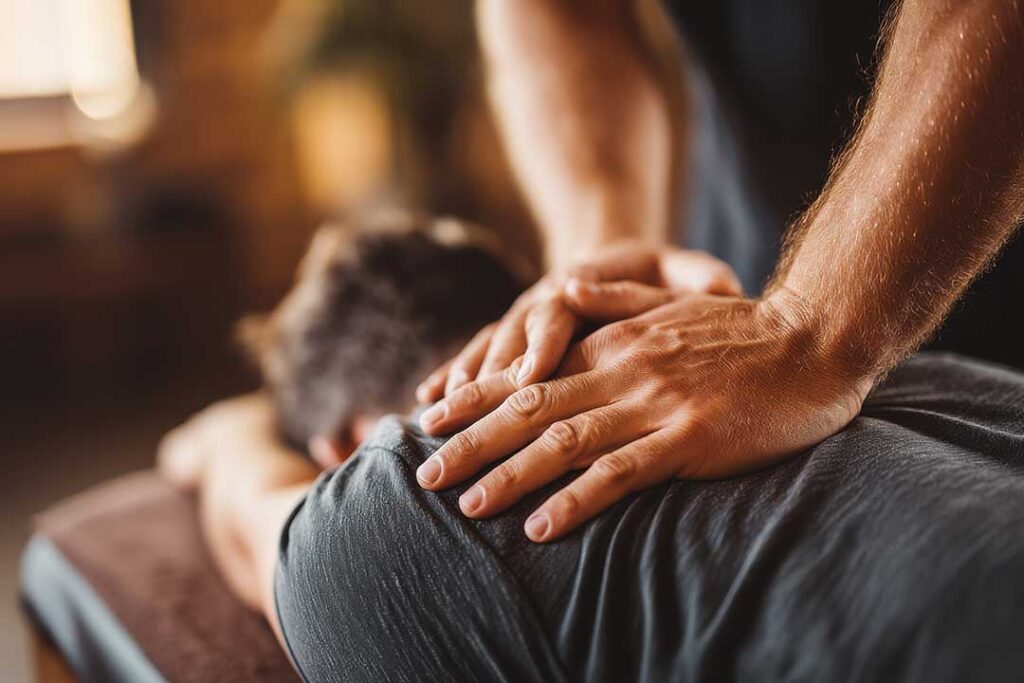
Minor back strains often improve with careful home treatment over several days to a few weeks. The most useful approach is usually a balance of relative rest, gentle movement, temperature therapy, and attention to warning signs.
A strain may occur after lifting, reaching, gardening, exercise, prolonged sitting, or a sudden awkward movement. It commonly causes localized soreness, stiffness, muscle tightness, or pain that increases with certain positions. The guidance below is intended for uncomplicated muscle strains, not severe or unexplained back pain.
What should be done during the first day or two?
For the first 24 to 48 hours, reduce activities that clearly increase the pain, but avoid staying in bed for long periods. Short, easy walks around the home can help prevent stiffness and keep the back from becoming more guarded.
Cold therapy may be useful after a recent lifting injury or sudden flare-up. Place a cold pack wrapped in a thin towel over the painful area for about 15 to 20 minutes at a time. Allow the skin to return to its normal temperature before repeating. Never apply ice directly to the skin.
If the injury happened while shoveling, moving outdoor items, or doing household repairs, pause the task rather than trying to “work through” sharp pain. Continuing to lift or twist while the muscles are irritated can prolong recovery.
Is heat or ice better for a back strain?
Both can be helpful, but they serve different purposes. Ice may ease pain and swelling soon after an injury, while heat often feels better for stiffness, muscle spasm, or soreness that remains after the initial flare.
A heating pad, warm shower, or warm compress can be used for approximately 15 to 20 minutes. Use a comfortable temperature rather than intense heat, and do not fall asleep while using a heating pad. Extra caution is needed if reduced sensation, diabetes, circulation problems, or skin sensitivity makes it difficult to judge temperature.
There is no requirement to choose only one method. Some people prefer cold during the first day and heat later; others find that one option consistently provides better relief. The safest choice is the method that reduces discomfort without irritating the skin.
Should a person rest or keep moving?
Gentle movement is generally better than prolonged bed rest for a minor strain. Normal light activities can usually continue if they do not cause sharp, spreading, or steadily worsening pain.
Helpful movements may include:
- Brief walks on level ground
- Changing positions every 30 to 60 minutes
- Gentle pelvic tilts or easy range-of-motion movements
- Light household activity with no lifting or twisting
- Slow, controlled transitions between sitting, standing, and lying down
Movement should remain comfortable and controlled. Stretching aggressively, bouncing, or forcing the back into a painful position can make symptoms worse. A mild pulling sensation may be acceptable, but stop an exercise that causes sharp pain, leg symptoms, or a noticeable increase in symptoms that lasts afterward.
For residents managing winter chores, snow removal deserves particular care. Pushing a light load may be less stressful than lifting it, but repeated twisting while carrying snow can strain the back. Smaller loads, frequent breaks, and keeping the work close to the body can reduce stress.
What sleeping positions may help?
The best sleeping position is the one that allows the back to relax without increasing pain. A side-lying position with a pillow between the knees may reduce twisting through the lower back. A pillow under the knees while lying on the back can also lessen tension for some people.
Getting out of bed may be easier by rolling onto one side, lowering the legs, and using the arms to push up. This avoids a sudden sit-up motion that can tighten an irritated back.
A mattress does not need to be replaced because of one episode of soreness. If the sleeping surface causes obvious discomfort, temporary pillow support and a different position may be enough to improve comfort.
Can over-the-counter medicine help?
Over-the-counter pain medicine may reduce discomfort enough to make gentle movement easier, but it is not appropriate for everyone. Nonsteroidal anti-inflammatory drugs, such as ibuprofen or naproxen, can cause problems for people with a history of stomach ulcers or bleeding, kidney disease, certain heart conditions, uncontrolled high blood pressure, or medication interactions.
Acetaminophen may also be unsuitable for people with certain liver conditions or heavy alcohol use. Read the label carefully, avoid taking more than one product containing the same ingredient, and ask a pharmacist about safety if there is any uncertainty. Pain medicine should not be used to push through heavy lifting or strenuous exercise.
Topical products may provide temporary relief, but they do not correct the underlying strain. Avoid applying heat over topical products unless the product directions specifically allow it.
What common home remedies should be avoided?
Several popular approaches can delay recovery or create new problems:
- Complete bed rest for multiple days
- Forceful stretching during the painful phase
- Repeated twisting to “loosen” the back
- Heavy lifting as soon as the pain decreases
- Applying ice or heat directly to bare skin
- Sleeping with a heating pad turned on
- Using someone else’s prescription medication
- Assuming that severe pain is automatically a simple muscle strain
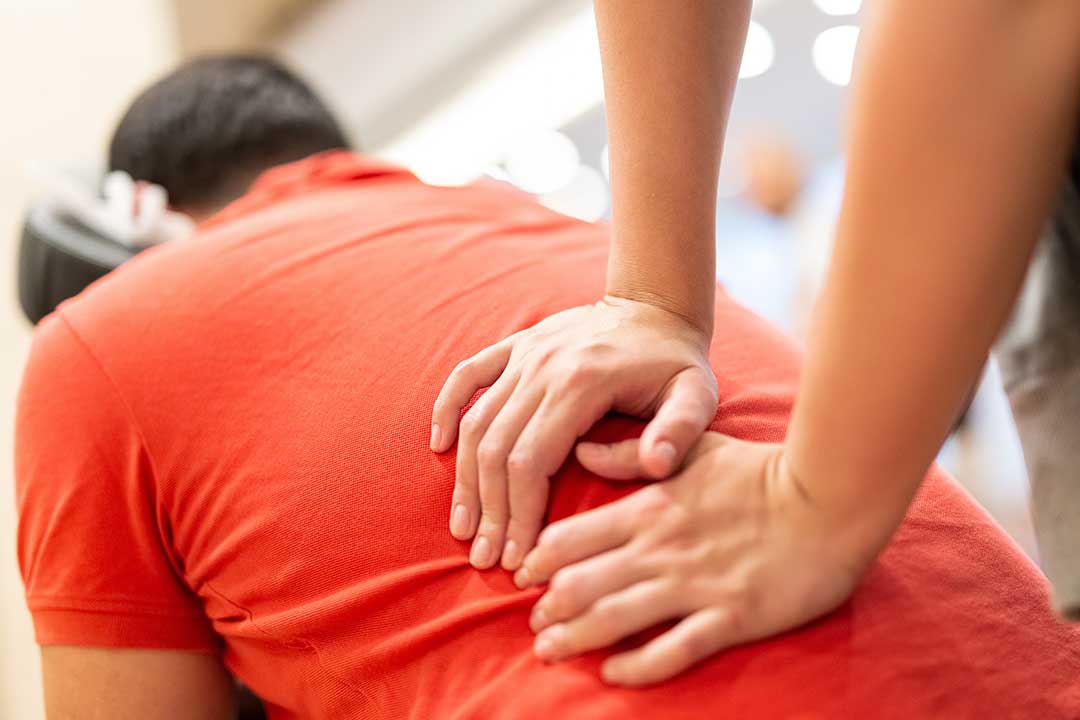
Massage may feel soothing when performed gently, but deep pressure over an acutely painful area can aggravate symptoms. A home remedy should be stopped if pain becomes sharper, spreads, or causes numbness or weakness.
When does back pain require prompt medical attention?
Seek urgent medical evaluation for back pain accompanied by new loss of bladder or bowel control, numbness around the groin or inner thighs, significant weakness in a leg, or difficulty walking. These symptoms can indicate nerve involvement that should not be managed only at home.
Prompt assessment is also appropriate when pain follows a serious fall, vehicle collision, or direct blow; occurs with fever; becomes worse at night or while resting; spreads down a leg; or is associated with unexplained weight loss, abdominal symptoms, or a history of cancer.
Medical advice is warranted if a minor strain is not clearly improving after several days, continues beyond a few weeks, or repeatedly returns with ordinary activities. Older adults and people with osteoporosis, long-term steroid use, or other conditions that weaken bone should be evaluated sooner after an injury.
How can another strain be prevented?
Once daily movement is comfortable, return gradually to lifting, exercise, yard work, and household chores. Warm up before strenuous activity, keep loads close to the body, bend through the hips and knees when practical, and avoid turning while carrying.
For desk work or extended driving, change position regularly rather than trying to maintain one “perfect” posture all day. In homes where space is limited, reorganizing frequently used items so they are not stored on the floor or high overhead can reduce awkward bending and reaching.
A minor strain should steadily become easier to manage. The goal is not complete stillness, but calm, consistent movement while watching for symptoms that fall outside the usual pattern of a simple muscle injury.
