
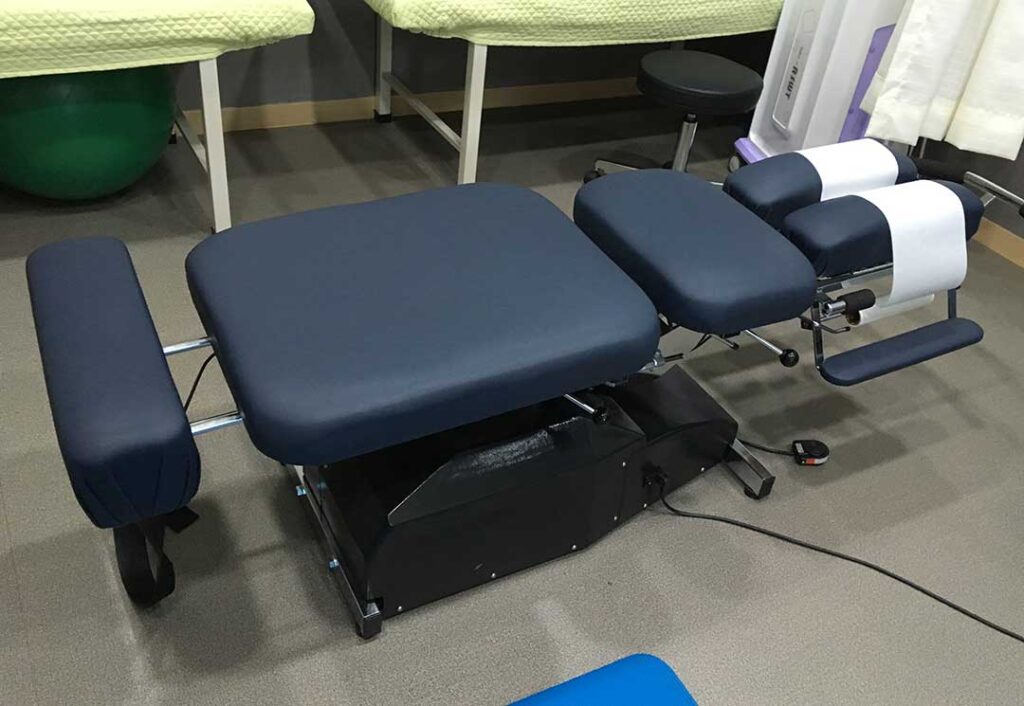
Can chiropractic care help with vertigo?
Sometimes, chiropractic care may help when dizziness is associated with neck pain, restricted neck movement, or certain musculoskeletal problems. It is not a universal treatment for vertigo, however, and it does not address many common causes involving the inner ear, nervous system, blood pressure, medication effects, or other medical conditions.
Vertigo describes a spinning or motion sensation. Some people feel as if the room is moving, while others feel pulled to one side, unsteady, lightheaded, or as though they might faint. Because these symptoms can have very different causes, identifying the pattern matters more than assuming the neck is responsible.
For residents of Lynbrook, NY, symptoms may become especially noticeable during activities that involve looking up, turning quickly, climbing stairs, walking on uneven surfaces, or getting out of bed. The safest approach is to distinguish possible neck-related dizziness from conditions that require medical evaluation.
What causes vertigo?
Vertigo commonly comes from a problem in the balance system, which includes the inner ear, eyes, brain, and sensory information from the joints and muscles of the neck.
A frequent cause is benign paroxysmal positional vertigo, or BPPV. It occurs when tiny calcium particles inside the inner ear move into an area where they interfere with balance signals. BPPV often causes brief spinning episodes when a person rolls over in bed, tilts the head, looks upward, or changes position.
Other possible causes include:
- Inner-ear inflammation or infection
- Migraine-related dizziness
- Medication side effects
- Dehydration or low blood pressure
- Blood sugar problems
- Neurological conditions
- Recent head or neck injury
- Reduced balance function with aging
Neck-related dizziness, sometimes called cervicogenic dizziness, is considered when dizziness occurs along with neck pain, stiffness, reduced range of motion, or a history of whiplash. The diagnosis is not established by a single test. Other causes, particularly inner-ear and neurological causes, generally need to be considered first.
How might chiropractic care be involved?
Chiropractic care may be relevant when neck dysfunction appears to contribute to symptoms. Assessment may focus on neck movement, muscle tension, posture, joint mobility, headaches, and how symptoms change with specific positions.
Potential treatment approaches can include gentle manual techniques, mobility exercises, posture education, and exercises designed to restore comfortable neck movement. These methods may help some people whose dizziness is closely linked with neck pain or movement limitations.
The evidence is more limited for claiming that spinal adjustments treat vertigo in general. A neck adjustment should not be presented as a treatment for BPPV, stroke, inner-ear disease, or unexplained dizziness. In addition, forceful or rapid neck movements may not be appropriate for every person, especially those with certain vascular, neurological, bone, or connective-tissue conditions.
A careful evaluation should therefore come before any neck-focused treatment. If symptoms do not clearly relate to neck pain or movement, other forms of assessment may be more appropriate.
What treatment is usually used for BPPV?
BPPV is commonly managed with specific repositioning maneuvers that move the displaced inner-ear particles back to a more suitable location. These maneuvers are different from general neck adjustments and are selected according to which inner ear and canal are involved.
A clinician may use a positional examination to observe symptoms and eye movements. Treatment can sometimes improve symptoms quickly, although recurrence is possible. Balance exercises may also be used when unsteadiness continues after the spinning episodes decrease.
Trying to perform a maneuver without knowing the likely cause can be unhelpful or unsafe. Neck problems, limited mobility, recent surgery, vascular disease, and other factors may affect whether a particular maneuver is suitable.
How can someone tell whether dizziness may be neck-related?
No symptom pattern proves that dizziness comes from the neck, but certain features may make a neck contribution more plausible:
- Dizziness occurs with neck pain or stiffness.
- Symptoms follow whiplash or another neck injury.
- Turning the neck changes the symptoms, but lying down or rolling in bed does not consistently trigger spinning.
- Headaches, upper-back tension, or restricted neck movement occur at the same time.
- The sensation is more like imbalance, floating, or disorientation than a clear spinning episode.

By contrast, brief spinning triggered by rolling over, sitting up, or looking upward is more suggestive of a positional inner-ear problem. Hearing changes, ringing in the ear, severe nausea, or prolonged imbalance can also point toward causes that need evaluation beyond the neck.
Keeping a short symptom record can help. Note what movement triggered the episode, how long it lasted, whether the sensation was spinning or faintness, and whether there were symptoms such as headache, hearing loss, weakness, or vision changes.
When is vertigo an emergency?
Sudden or severe dizziness should not automatically be treated as a musculoskeletal problem. Emergency evaluation is warranted when vertigo occurs with:
- New weakness, numbness, facial drooping, or difficulty speaking
- Double vision or sudden loss of vision
- A severe or unusual headache
- Fainting, chest pain, or trouble breathing
- New hearing loss
- Inability to walk, repeated falls, or severe coordination problems
- Persistent vomiting
- Symptoms after a significant head injury
These signs can occur with serious conditions, including stroke or other neurological emergencies. Emergency care is also appropriate when symptoms are new, intense, rapidly worsening, or unlike previous episodes.
What should local residents do during an episode?
Sit or lie down immediately to reduce the risk of falling. Avoid driving, ladders, bathing alone, or walking on slippery surfaces until the sensation passes. In homes with stairs or compact walkways, clear loose rugs, improve lighting, and use a handrail when moving between floors.
During colder months, outdoor surfaces may add another fall hazard. Someone experiencing active dizziness should avoid walking on icy or wet pavement and should not rely on a family member’s guess about the cause.
After the episode, record its duration and triggers. Repeated, unexplained, or disruptive dizziness deserves medical assessment. Depending on the suspected cause, evaluation may involve primary care, an ear specialist, a neurologist, vestibular rehabilitation, or carefully selected neck and balance care.
The practical answer
Chiropractic care may help a limited group of people whose dizziness is associated with neck pain or impaired neck movement. It should not be considered a general cure for vertigo, and it should not replace evaluation for inner-ear, neurological, cardiovascular, medication-related, or other medical causes.
The most useful first question is not simply whether chiropractic care can help. It is: What is causing the dizziness, and has that cause been assessed safely? Once the pattern is understood, treatment can be matched to the actual problem rather than to the symptom alone.
