
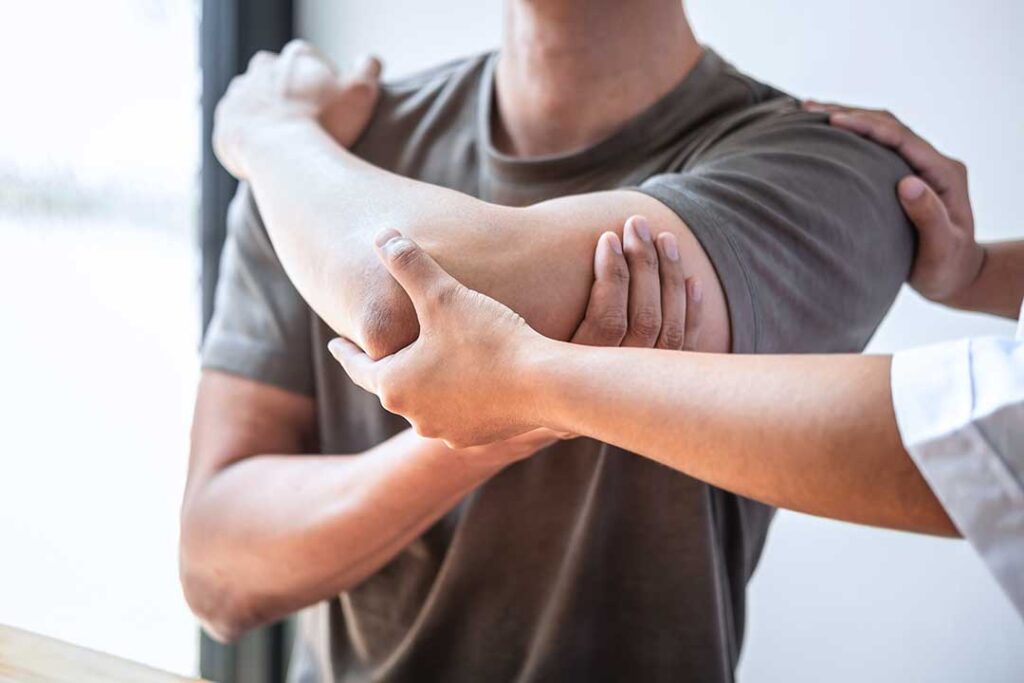
Scoliosis is a sideways curve and rotation of the spine that may develop during childhood, adolescence, or adulthood. Chiropractic care may help some people manage related pain, stiffness, muscle imbalance, or movement limitations, but current evidence does not show that spinal adjustments reliably straighten a structural scoliosis curve or prevent it from progressing.
For residents of Lynbrook, NY, the practical question is not simply whether chiropractic care “works.” The more useful question is what role, if any, it can safely play alongside accurate diagnosis, monitoring, exercise, and medically appropriate treatment.
What is scoliosis?
Scoliosis is more than poor posture. A person with scoliosis has a three-dimensional spinal curve that may include sideways bending, rotation of the vertebrae, and changes in shoulder, rib, waist, or hip symmetry.
Some curves are mild and remain stable. Others may progress, particularly while a child or teenager is still growing. Adult scoliosis may reflect a curve that began earlier in life, age-related spinal changes, arthritis, osteoporosis, or another underlying condition.
Possible signs include:
- One shoulder or shoulder blade appearing higher than the other
- An uneven waistline or hips
- Clothes hanging unevenly
- Ribs becoming more prominent on one side when bending forward
- Back fatigue, stiffness, or pain
- Changes in walking, balance, or posture
These signs do not confirm scoliosis. A physical examination and, when appropriate, imaging are needed to determine whether a structural curve exists and how significant it is.
Can chiropractic treatment straighten scoliosis?
Usually, no. Chiropractic adjustments may temporarily change how the joints, muscles, and nervous system feel or function, but they have not been established as a method for permanently correcting a structural spinal curve.
Research on spinal manipulation for adolescent scoliosis has been limited by small studies, inconsistent treatment methods, and a lack of strong comparison groups. The available evidence is not sufficient to show that adjustments prevent curve progression or reliably reduce the measured curve.
That distinction matters. A person may stand more comfortably, move more freely, or experience less muscle tension after treatment without the underlying scoliosis changing. Relief of symptoms can be worthwhile, but it should not be confused with correction of the curve itself.
What symptoms might chiropractic care help?
Chiropractic care may be considered for selected symptoms associated with scoliosis, especially when the treatment plan emphasizes gentle, individualized care rather than promises of curve correction.
Potential goals may include:
- Reducing muscle tightness or joint stiffness
- Improving comfort during work, walking, or household activities
- Supporting mobility in the hips, mid-back, or shoulders
- Identifying movement habits that increase discomfort
- Coordinating exercise and activity recommendations with other care
Pain can come from several sources, including muscle fatigue, irritated joints, spinal arthritis, disc changes, or reduced conditioning. Treating those contributors may improve daily function even if the curve remains unchanged.
Forceful or repetitive manipulation may not be appropriate for every person. Caution is especially relevant for people with osteoporosis, spinal instability, recent fractures, inflammatory disease, neurological symptoms, blood-clotting problems, or a history of spinal surgery.
What treatments have stronger evidence for scoliosis?
Treatment depends on age, curve size, cause, symptoms, growth status, and whether the curve is changing over time.
For children and adolescents, observation with periodic examinations and imaging may be appropriate for a mild, stable curve. Bracing may be recommended for certain growing patients with curves at risk of progressing. In more severe or rapidly progressing cases, surgical consultation may be considered.
For adults, care often focuses on pain control, strength, flexibility, balance, activity tolerance, and treatment of related conditions such as arthritis or spinal narrowing. Physical therapy, scoliosis-specific exercises, medication, injections, or surgery may be discussed depending on the individual situation.
Exercise is generally not prohibited. Many people with scoliosis can walk, swim, cycle, perform resistance training, and participate in recreational activities. The right activity level depends on symptoms, stability, conditioning, and any neurological findings. Prolonged inactivity can contribute to weakness and stiffness, which may make discomfort harder to manage.
How should a person evaluate a chiropractic recommendation?
A responsible plan should begin with a clear understanding of the diagnosis. Useful questions include:
- Is this confirmed scoliosis, or could the appearance be related to posture, leg-length difference, muscle imbalance, or another condition?
- Has the curve been measured, and is there a prior image for comparison?
- Is the goal pain relief, improved movement, or actual curve correction?
- How will progress be measured?
- What treatment options besides manipulation should be considered?
- Is coordination with a primary care clinician, orthopedic specialist, physical therapist, or other medical provider needed?
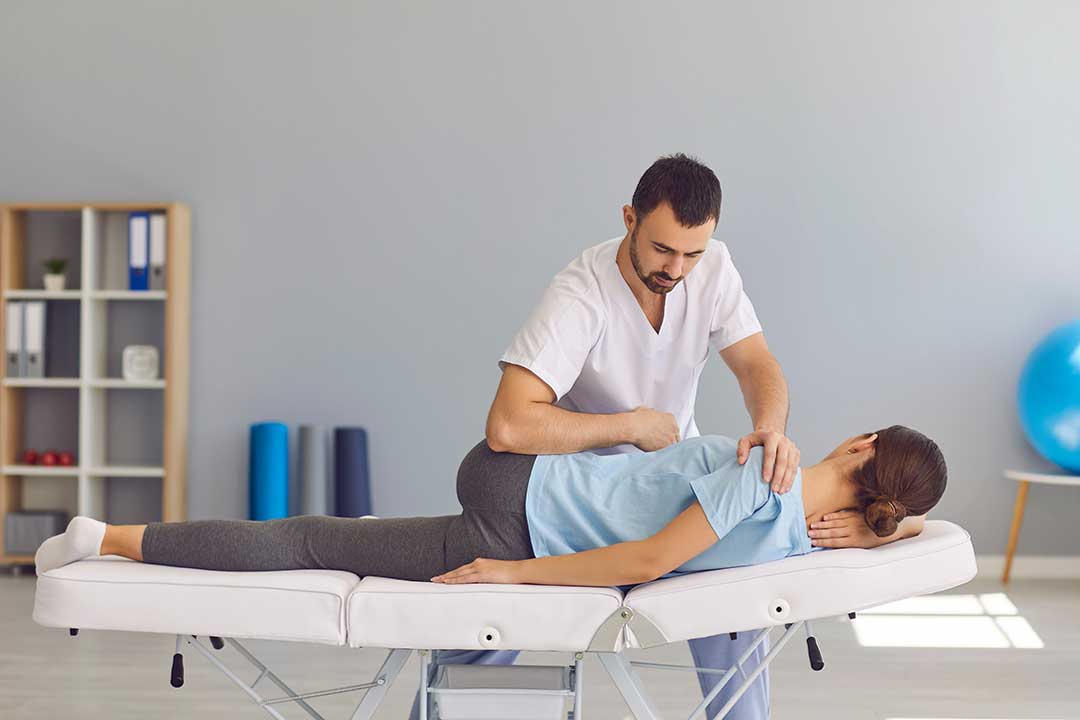
Be cautious of claims that a series of adjustments can “cure” scoliosis, permanently eliminate a curve, or replace monitoring during growth. A treatment plan should explain its limits and should not discourage appropriate imaging, bracing, exercise-based rehabilitation, or medical evaluation.
When is medical evaluation especially important?
New or worsening symptoms should not automatically be attributed to scoliosis. Prompt medical assessment is appropriate for:
- Leg weakness, numbness, or loss of coordination
- New problems with bladder or bowel control
- Severe or rapidly worsening pain
- Fever, unexplained weight loss, or significant nighttime pain
- Recent trauma or a suspected fracture
- Difficulty breathing
- A rapidly changing spinal appearance
- Scoliosis first noticed in a very young child
- A new curve developing during adulthood
For children and teenagers, early assessment is useful because growth can influence whether a curve progresses. For adults, a new curve or sudden change may require evaluation for arthritis, osteoporosis, disc disease, nerve compression, or another underlying cause.
What is a practical approach for local households?
Seasonal routines can affect symptoms without causing scoliosis. Winter weather may reduce outdoor activity, while commuting, desk work, carrying school bags, home maintenance, and long periods of sitting can increase stiffness or muscle fatigue. Regular movement breaks, gradual strengthening, comfortable footwear, and attention to lifting technique may support general spinal health.
A reasonable approach is to confirm the diagnosis, identify whether the curve is stable, address pain and mobility limitations, and use exercise or rehabilitation suited to the person’s age and condition. Chiropractic care may have a supporting role for comfort or movement in some cases, but it should not be presented as a replacement for evidence-based scoliosis monitoring or treatment.
