
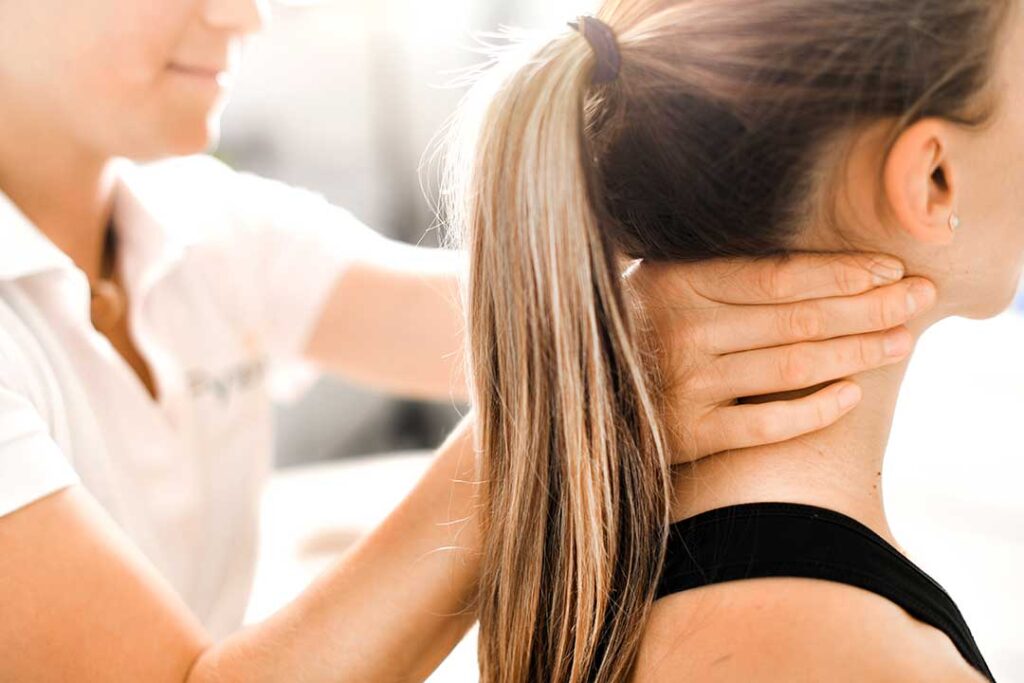
Sports concussions cannot always be prevented, but athletes, families, coaches, and schools can reduce risk by limiting avoidable head impacts, using properly fitted protective equipment, enforcing rules, and responding quickly when symptoms appear. Prevention is not limited to football or other collision sports; falls and unexpected contact can cause concussions in soccer, basketball, baseball, hockey, lacrosse, cycling, gymnastics, and recreational activities.
What causes a sports concussion?
A concussion is a mild traumatic brain injury caused by a bump, blow, or jolt that makes the head and brain move rapidly. The impact does not have to strike the head directly. A forceful hit to the body, a fall, or a collision can also cause the brain to move inside the skull.
Symptoms may begin immediately or develop gradually. Common signs include:
- Headache or pressure in the head
- Dizziness, balance problems, or nausea
- Blurred or double vision
- Sensitivity to light or noise
- Feeling slowed down, foggy, or confused
- Difficulty concentrating or remembering
- Unusual irritability, sadness, nervousness, or fatigue
- Sleeping more or less than usual
A person does not need to lose consciousness to have a concussion. In fact, most concussions do not involve a loss of consciousness.
How can athletes reduce the chance of a concussion?
The most effective prevention strategy is reducing unnecessary head impacts. Athletes should learn and practice techniques that keep the head out of contact, such as tackling with the shoulder rather than leading with the helmet, keeping the head up during play, and avoiding contact from behind or outside the field of vision.
Coaches and officials also influence risk. Safer programs typically:
- Teach sport-specific skills before introducing full-speed contact
- Enforce rules against illegal hits and dangerous behavior
- Limit unnecessary full-contact practices
- Remove athletes from play after a suspected concussion
- Encourage reporting rather than praising athletes for hiding symptoms
- Maintain playing surfaces and equipment in safe condition
- Adjust drills for age, experience, weather, and fatigue
A competitive culture should not treat pain, confusion, or dizziness as proof of toughness. Reporting symptoms protects the athlete and the team.
Do helmets prevent concussions?
Helmets are essential for sports and activities that require them, but they cannot prevent every concussion. A helmet is designed primarily to reduce the risk of skull fracture and severe head injury. It may also reduce some impact forces, but no helmet eliminates the possibility of a concussion.
Use the helmet made for the specific activity. A bicycle helmet, football helmet, hockey helmet, and equestrian helmet are designed and tested for different types of impacts. A helmet should fit snugly, sit level on the head, remain secure during movement, and be replaced after a significant impact or when it is damaged.
Families should be cautious about products that promise to prevent all concussions. Protective equipment works best as one part of a broader safety plan that includes proper technique, rule enforcement, supervision, and prompt symptom reporting.
Why do fit, fatigue, and playing conditions matter?
Poorly fitting equipment can shift during a collision and may not provide the intended protection. Before practice or competition, athletes should check chin straps, mouthguards, padding, footwear, and other required equipment.
Fatigue can also affect reaction time, balance, decision-making, and technique. Athletes who are overheated, dehydrated, or exhausted may be more likely to fall or use unsafe form. Coaches should build in water breaks and monitor players during hot, humid summer conditions. In colder months, wet or slippery outdoor surfaces can increase fall risk, while indoor courts may become hazardous when moisture is tracked inside.
These seasonal concerns are practical for households and community sports programs in Lynbrook, where athletes may move between indoor facilities, school fields, neighborhood streets, and outdoor recreational areas throughout the year.
What should parents ask before a sports season?
Parents can ask the coach, school, or league how suspected concussions are handled. Useful questions include:
- Who is responsible for evaluating an athlete after a head impact?
- What symptoms require immediate removal from play?
- Is a certified athletic trainer available?
- How are parents notified?
- What return-to-school and return-to-sports procedures are followed?
- Are contact practices limited?
- Are coaches trained in concussion recognition and response?

New York schools have concussion-management requirements, including periodic training for coaches, physical education teachers, school nurses, and certified athletic trainers. Families should still understand the specific policy used by the child’s school or sports program, especially for recreational leagues and activities outside the school system.
What should an athlete do after a possible concussion?
An athlete who may have a concussion should stop playing and tell a coach, parent, athletic trainer, school nurse, or other responsible adult. Returning to the same game or practice creates a risk of another injury before the brain has recovered.
Urgent medical evaluation is needed for warning signs such as:
- Repeated vomiting
- A worsening or severe headache
- Increasing confusion, unusual behavior, or difficulty waking
- Weakness, numbness, slurred speech, or a seizure
- Loss of consciousness
- One pupil appearing larger than the other
- Neck pain after a significant impact
If symptoms are less severe but persist, the athlete should be evaluated by a qualified healthcare professional familiar with concussion care. A chiropractic evaluation may be useful for some musculoskeletal problems that occur alongside a sports injury, such as neck or back discomfort, but chiropractic treatment should not replace medical assessment of a suspected brain injury.
How does a safe return to sports work?
An athlete should return to sports only after symptoms have resolved or are appropriately managed and a qualified healthcare professional has approved the progression. The process is gradual, with each stage generally lasting at least 24 hours.
A typical progression includes:
1. Regular school and daily activities without significant symptoms
2. Light aerobic activity, such as walking or easy cycling
3. Moderate exercise with increased movement
4. Heavy, non-contact exercise and sport-specific drills
5. Controlled practice, including contact when appropriate
6. Full competition
If symptoms return, the athlete should stop, rest, and resume at an earlier stage only under appropriate guidance. Returning to competition before completing the progression is not a safe shortcut.
What role does communication play?
Young athletes may hide symptoms because they fear losing playing time or disappointing teammates. Parents can reduce that pressure by discussing concussion symptoms before the season begins and making clear that reporting a possible injury is responsible behavior.
A simple household rule helps: if an athlete feels confused, dizzy, unusually tired, nauseated, or “not right” after an impact, the athlete comes out of play and tells an adult. Coaches, teammates, referees, and family members all contribute to a culture in which safety is treated as part of good sportsmanship.
Preventing every concussion is not possible, but reducing avoidable impacts, recognizing symptoms early, and following a careful return-to-play process can substantially improve safety for athletes of all ages.
