
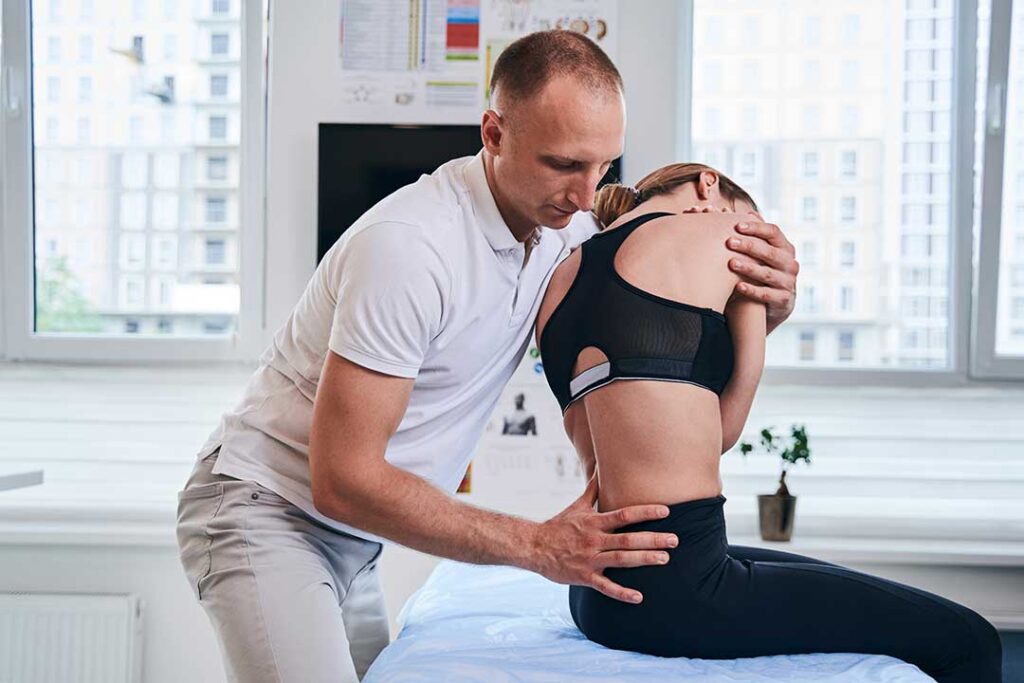
Pregnancy-related back pain is common, but severe, sudden, or persistent pain should not be dismissed. Most mild discomfort can be managed with safer movement habits, supportive positioning, gentle exercise, and guidance from the prenatal care team.
Why does pregnancy cause back pain?
Pregnancy changes the body in several ways that can increase strain on the lower back and pelvis. As the uterus grows, the center of gravity shifts forward. Abdominal muscles stretch and provide less support, while pregnancy hormones loosen ligaments around the pelvis. Added weight and changes in posture can make the back work harder, especially later in pregnancy.
Pain may feel like a dull ache, stiffness, pressure across the lower back, or soreness around the hips and pelvis. Some people also experience pain that travels into the buttocks or legs. The location and pattern matter, particularly if symptoms are new or worsening.
What can safely relieve mild back pain during pregnancy?
For many pregnant people, several small adjustments are more helpful than one major treatment.
Improve sitting and standing posture
When standing, keep the chest lifted, shoulders relaxed, and knees slightly bent rather than locked. Avoid leaning backward to counterbalance the abdomen. If standing for a long period, place one foot on a low step or sturdy footrest and switch sides periodically.
When sitting, choose a chair with back support. A small cushion behind the lower back may reduce slouching. During desk work or household tasks, change positions regularly instead of remaining seated or standing in one posture for hours.
This can be particularly useful in homes where daily routines include stairs, laundry, cooking, commuting, or extended periods at a computer.
Use supportive footwear
Shoes with a stable sole, cushioning, and comfortable arch support can make walking and standing easier. High heels can shift the body forward and increase strain. Extremely flat, unsupportive footwear may also be uncomfortable for some people.
Choose shoes that fit securely, especially if pregnancy-related swelling changes the way footwear feels later in the day.
Lift and turn carefully
To pick up a light object, move close to it, bend at the knees, and use the legs rather than bending from the waist. Keep the object near the body and avoid twisting while lifting.
Whenever possible:
- Divide groceries, laundry, or household items into smaller loads.
- Ask for help with bulky or heavy objects.
- Turn by moving the feet instead of twisting the spine.
- Avoid lifting from the floor while reaching forward.
Is walking or exercise safe for pregnancy back pain?
For most people with an uncomplicated pregnancy, gentle activity can reduce stiffness and help maintain strength in the back, hips, abdomen, and legs. Walking, swimming, water exercise, and pregnancy-appropriate mobility exercises are commonly suitable, but any new or changed exercise routine should be discussed with the obstetric care provider.
Begin gradually if activity has been limited. A comfortable pace is one that allows normal conversation. Stop if exercise increases pain or causes unusual symptoms. Avoid activities with a high risk of falling, abdominal impact, or sudden twisting.
A gentle hands-and-knees movement may help some people:
1. Place the hands under the shoulders and knees under the hips.
2. Keep the neck relaxed and the back in a comfortable neutral position.
3. Slowly round the back slightly without forcing the movement.
4. Return to neutral and repeat only within a pain-free range.
Ten slow repetitions may be reasonable for some pregnant people, but the exercise should stop if it causes pain, dizziness, abdominal discomfort, or other concerning symptoms.
Can heat, cold, massage, or pillows help?
A warm—not hot—compress may relax sore muscles. Use the lowest comfortable setting, wrap the heat source in a towel, and apply it for a limited period. Avoid overheating the body, hot tubs, and very hot baths during pregnancy.
A cold pack wrapped in cloth may help after activity or when the area feels irritated. Do not place ice directly on the skin.
Side sleeping is often more comfortable later in pregnancy. Try placing:
- A pillow between the knees
- A pillow under the abdomen
- A cushion behind the back for added stability
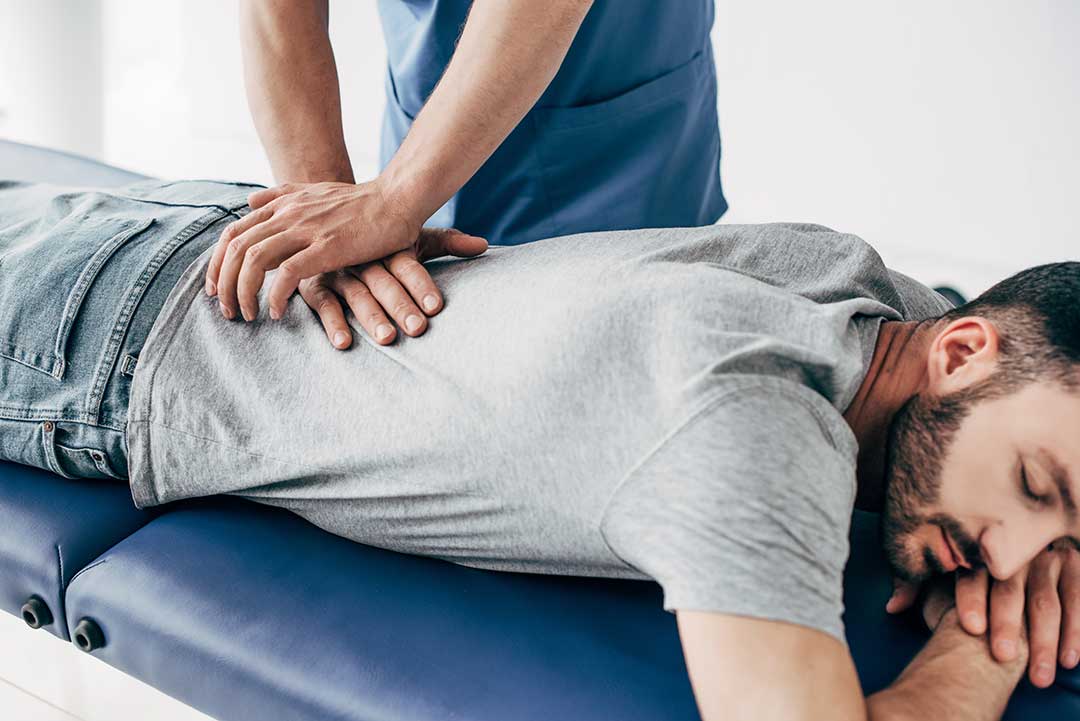
Massage may provide temporary relief when performed gently. Any massage provider should know about the pregnancy and its stage. Avoid forceful pressure, painful techniques, or positions that cause dizziness or discomfort.
What about chiropractic care during pregnancy?
Some pregnant people ask whether chiropractic treatment is appropriate for back or pelvic discomfort. A licensed chiropractor may use pregnancy-adapted positioning and gentle techniques, but treatment should not replace prenatal evaluation or medical care.
Before trying chiropractic care, discuss it with the obstetric care provider, particularly if the pregnancy is high-risk, pain is severe, symptoms extend into the leg, or there has been a recent fall or injury. The chiropractor should be told about the pregnancy, current symptoms, medical history, and any restrictions provided by the prenatal team.
A careful evaluation should come before treatment. Forceful manipulation, treatment that causes pain, or any technique that feels unsafe should be avoided. In some cases, a prenatal physical therapist may be better suited to provide individualized exercises and movement strategies.
Which pain medicines are safe?
Do not assume that an over-the-counter pain reliever is safe during pregnancy. Medication choices can depend on the trimester, health history, other medicines, and pregnancy complications.
Ask the obstetric care provider or pharmacist before taking acetaminophen or any other medication. Nonsteroidal anti-inflammatory drugs, including ibuprofen and naproxen, may not be appropriate during parts of pregnancy. Herbal products and topical pain treatments also deserve review because “natural” does not automatically mean risk-free.
When is pregnancy back pain a warning sign?
Back pain requires prompt medical advice if it is severe, sudden, worsening, or continues despite rest and basic measures. Contact the prenatal care provider promptly if back pain occurs with:
- Vaginal bleeding or fluid leakage
- Fever or chills
- Burning or pain during urination
- Pain in the side or under the ribs
- Regular cramping or contractions
- New weakness, numbness, or difficulty walking
- Loss of bladder or bowel control
- Dizziness, chest pain, or trouble breathing
- A fall, collision, or other injury
Back pain can sometimes accompany a urinary infection or early labor, so it should not automatically be attributed to normal pregnancy changes. New numbness around the groin, significant leg weakness, or loss of bladder or bowel control requires urgent evaluation.
For residents in Lynbrook, NY, seasonal conditions can also affect comfort. Cold weather may encourage prolonged sitting indoors, while icy walkways can increase fall risk. Supportive footwear, clear walking paths, regular position changes, and safe indoor movement can help reduce avoidable strain.
The safest plan is one that matches the pregnancy, the source of the pain, and the person’s overall health. Mild muscular soreness may improve with positioning and gentle activity, while persistent or unusual symptoms deserve direct assessment by the prenatal care team.
