
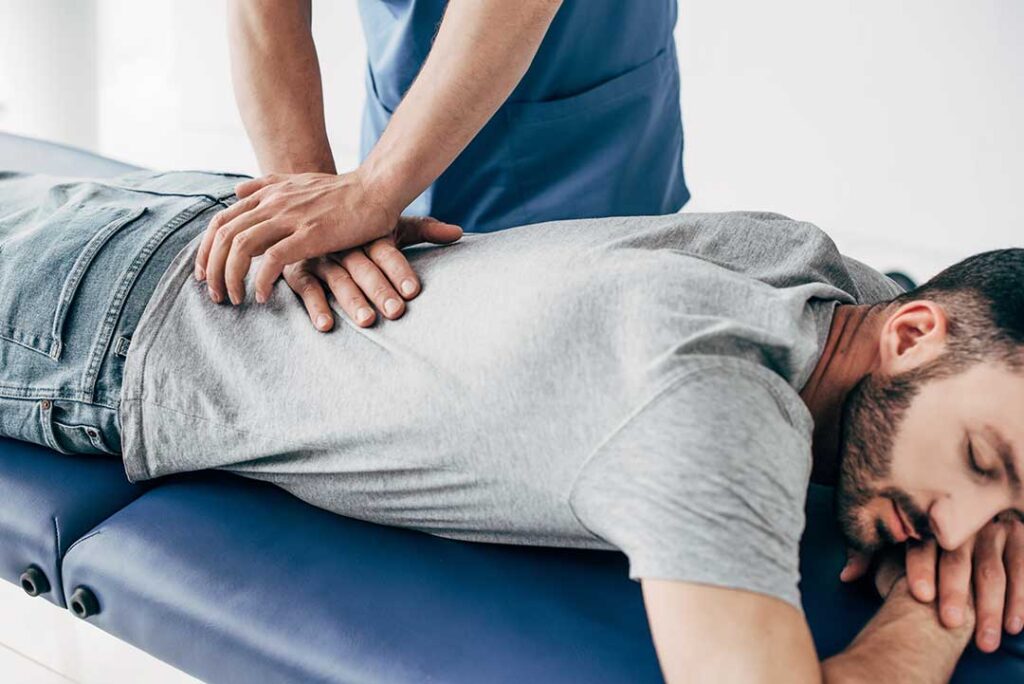
Limited mobility can affect much more than exercise. Stiffness may make it harder to get out of a chair, turn while driving, carry groceries, climb stairs, or stay comfortable during a workday. For residents of Lynbrook, NY, natural strategies such as regular movement, gentle strengthening, improved posture, and better recovery habits can often support mobility without relying on medication alone.
Natural approaches are most useful when they are consistent and matched to the cause of the problem. Muscle tightness, joint irritation, an old injury, reduced balance, nerve symptoms, and inactivity can all feel like “stiffness,” but they may require different strategies.
What natural methods can improve mobility?
The most reliable non-medication strategies are frequent low-intensity movement, flexibility exercises, strength training, balance practice, sleep, and attention to daily posture. These approaches work gradually by improving circulation, joint motion, muscle control, and confidence with movement.
A practical mobility routine may include:
- Five to ten minutes of gentle movement after waking
- Short walking breaks during long periods of sitting
- Range-of-motion exercises for the neck, shoulders, hips, ankles, and spine
- Strength exercises performed two or more times per week
- Balance practice near a stable surface
- Heat before movement when muscles feel stiff
- A cool pack after activity if mild soreness develops
Mobility improves more consistently when movement is repeated throughout the day rather than completed only during one demanding workout.
How can walking support joint and spinal mobility?
Walking is a low-impact activity that moves several joints at once while allowing the pace to be adjusted. It can help reduce stiffness in the hips, knees, ankles, and lower back, especially after sitting.
Begin with a comfortable distance and pace. If ten minutes feels manageable, that may be enough to start. Gradually adding a few minutes every several days is generally more sustainable than suddenly attempting a long walk.
During colder months, wet pavement, snow, and icy surfaces can increase fall risk. Supportive footwear, slower steps, and attention to uneven sidewalks are practical precautions. Indoor walking may be a safer option when outdoor surfaces are slippery or visibility is poor.
Walking should not produce sharp pain, increasing numbness, or weakness. Those symptoms call for stopping the activity and reassessing what may be causing the problem.
Which stretches are useful for everyday stiffness?
Gentle stretching can help maintain motion, but stretching should not be forced. A mild pulling sensation is usually acceptable; sharp, burning, or electric pain is not.
Useful areas to address include:
- Calf muscles, which affect walking and stair use
- Hamstrings and hip muscles, which influence sitting and bending
- Chest and shoulder muscles, especially after computer work
- Upper back muscles, which can become stiff with rounded posture
- Neck muscles, using slow and comfortable movements
Hold a gentle stretch for about 15 to 30 seconds without bouncing. Repeat once or twice, and breathe normally. Stretching is often more comfortable after a brief walk or warm shower because the muscles are less cold and guarded.
People with joint replacement, recent surgery, significant osteoporosis, or a diagnosed spinal condition may need a modified routine rather than general stretching instructions.
Can strengthening exercises improve flexibility?
Yes. Muscles that are weak may make the body feel stiff because the nervous system limits movement to provide stability. Strengthening can improve control and make everyday motions feel less demanding.
Simple exercises may include:
- Sit-to-stand movements from a sturdy chair
- Wall push-ups
- Heel raises while holding a counter
- Step-ups on a stable, low surface
- Glute bridges performed on a firm surface
- Light resistance-band rows
- Gentle abdominal bracing while lying or standing
Use slow, controlled movements instead of momentum. Start with a small number of repetitions and stop before form breaks down. Muscle fatigue is expected, but joint pain that worsens during or after exercise is a sign to reduce the load or change the movement.
Strength training also supports balance. This matters for people who feel unsteady on stairs, when stepping off curbs, or while moving across wet surfaces around the home.
How does posture affect mobility?
Posture does not need to be perfect to be healthy, but staying in one position for too long can contribute to discomfort. A well-arranged work area can reduce unnecessary strain on the neck, shoulders, wrists, and lower back.
Helpful adjustments include:
- Keeping the top of a computer screen near eye level
- Supporting the lower back without forcing an exaggerated arch
- Placing both feet on the floor when seated
- Keeping frequently used objects within easy reach
- Changing position at least every 30 to 60 minutes
- Alternating sitting, standing, and brief walking when possible

In homes with multiple levels, frequently used items can be stored between waist and shoulder height to reduce repeated bending or reaching. During colder seasons, keeping entryways clear and dry can also make movement safer.
Do heat, cold, and sleep make a difference?
Heat may temporarily relax tight muscles and make movement more comfortable. A warm shower or heating pad used for a short period can be helpful before stretching. A heating pad should not be used while sleeping, and the temperature should be comfortable rather than very hot.
Cold may reduce soreness after an unfamiliar activity. A cold pack should be wrapped in cloth and applied for a limited period. People with reduced sensation or circulation problems should use extra caution with heat and cold.
Sleep is another overlooked part of mobility. Poor sleep can increase sensitivity to discomfort, reduce coordination, and make normal activity feel more difficult. A consistent sleep schedule, a comfortable sleep position, and reduced screen use before bed may support recovery.
What mobility habits should be avoided?
Natural care does not mean every home remedy is safe. Avoid forcing a joint into a painful position, repeatedly “cracking” an area to relieve symptoms, or exercising through numbness or weakness. Sudden increases in walking, lifting, or stretching can also irritate muscles and joints.
Long periods of complete rest may worsen stiffness. Unless movement has been restricted for a specific medical reason, gentle activity is often more helpful than remaining still.
Pain medication, supplements, herbal products, and restrictive diets are not automatically safer because they are described as natural. Supplements may interact with medications or affect blood pressure, bleeding, or kidney function.
When does reduced mobility need medical attention?
New or rapidly worsening mobility problems should not be managed only with home exercises. Prompt medical evaluation is appropriate for:
- Sudden weakness or loss of coordination
- Numbness affecting an arm or leg
- Loss of bladder or bowel control
- Severe pain after a fall or accident
- Inability to bear weight
- Fever with significant back or joint pain
- Unexplained weight loss with persistent pain
- Pain that repeatedly wakes someone from sleep
For ongoing stiffness without warning signs, keeping a brief record can help identify patterns. Note when symptoms occur, which activities improve or worsen them, and whether sleep, weather, footwear, or prolonged sitting appears to play a role. That information can make future evaluation more focused and help distinguish ordinary soreness from a problem requiring further attention.
How can someone begin safely?
Start with movements that feel easy enough to repeat. A short walk, several gentle stretches, and one or two basic strengthening exercises may be sufficient for the first week. Increase only one factor at a time, such as duration, repetitions, or resistance.
The goal is not to eliminate every sensation immediately. The more useful measure is whether movement becomes steadier, daily tasks feel less restricted, and recovery after activity improves over time.
