

Chiropractic care may be one part of a broader plan for people hoping to manage certain types of back, neck, or joint pain without surgery. The most appropriate approach depends on the cause of symptoms, how long they have lasted, functional limitations, medical history, and whether warning signs suggest a more serious condition.
Surgery is sometimes necessary, but it is not the first step for many common musculoskeletal problems. A careful evaluation can help determine whether conservative care is reasonable, whether more testing is needed, or whether surgical assessment should happen promptly.
Can chiropractic care replace spine surgery?
Usually, chiropractic care should be viewed as a non-surgical treatment option, not a guaranteed replacement for surgery. It may help some people with mechanical low back pain, joint stiffness, muscle-related discomfort, and selected cases of neck or radiating pain. It cannot repair every structural problem, remove all causes of nerve compression, or treat conditions such as infection, cancer, unstable fractures, or severe spinal cord compression.
For uncomplicated low back pain, many people improve with time and non-invasive care. Evidence-based guidelines commonly emphasize remaining as active as symptoms allow, using exercise, and considering manual therapy as part of a broader treatment plan rather than relying on spinal manipulation alone.
The goal is generally improved movement and daily function, not simply temporary pain reduction.
What non-surgical alternatives may be considered?
A non-surgical plan may include several therapies used together. The most useful combination varies by diagnosis and tolerance.
Exercise and rehabilitation
Exercise is often the foundation of conservative spine care. A plan may include:
- Walking or other low-impact aerobic activity
- Trunk and hip strengthening
- Mobility exercises for the spine and surrounding joints
- Posture and movement training
- Balance work for older adults
- Gradual return to lifting, work, recreation, or household tasks
A program should be adjusted if an exercise causes steadily worsening pain, new weakness, or increasing numbness. Mild muscle soreness can occur, but sharp or progressive symptoms deserve reassessment.
Physical therapy may be especially helpful when pain has affected strength, coordination, walking, or confidence with movement. Rehabilitation can also help a person prepare for surgery if an operation eventually becomes necessary.
Manual therapy and spinal manipulation
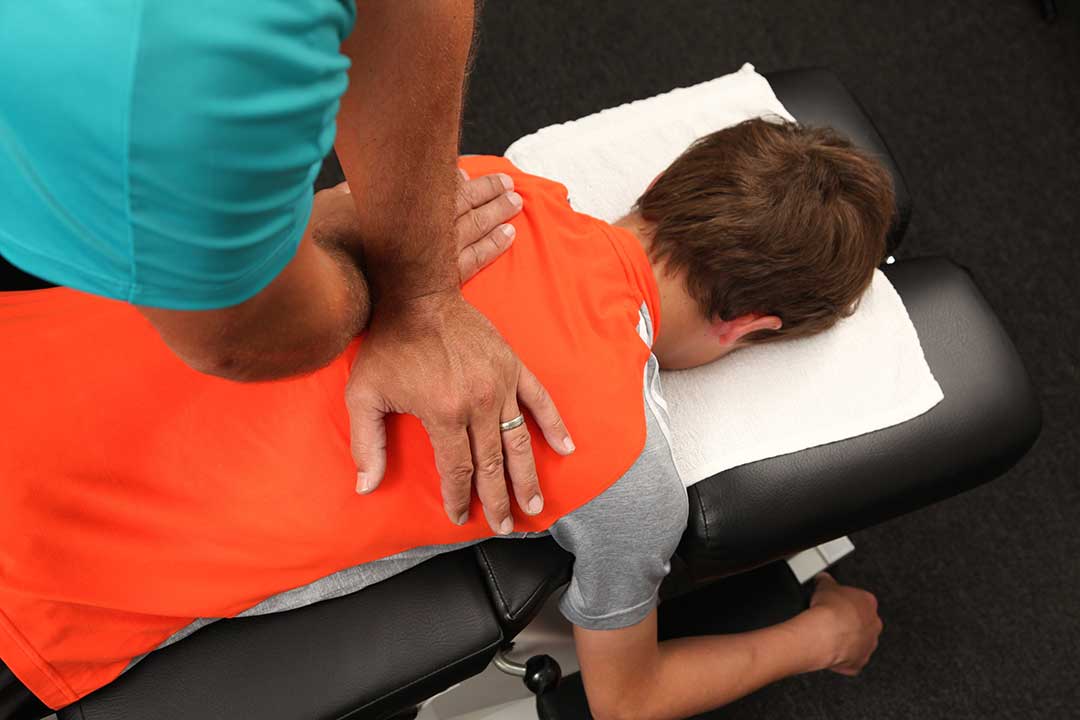
Chiropractic treatment may include spinal manipulation, mobilization, soft-tissue techniques, and guidance about movement or self-care. Research and clinical guidelines generally support manual therapy, when appropriate, as one component of care that also includes exercise.
Benefits are usually modest rather than dramatic. Some people notice improved mobility or short-term pain relief; others may not respond. Temporary soreness or an increase in symptoms can occur after treatment. A practitioner should know about osteoporosis, blood-thinning medication, recent trauma, inflammatory disease, prior surgery, and neurological symptoms before using forceful techniques.
Treatment should be reconsidered if symptoms repeatedly worsen or if there is no meaningful improvement over a reasonable period.
Activity modification and home care
Complete bed rest is rarely helpful for ordinary back pain. A better approach is often to reduce aggravating activities temporarily while continuing safe movement. For someone living in a dense suburban community, this may mean adjusting prolonged sitting during commuting, using better lifting technique for household tasks, or breaking up periods of standing, cleaning, yard work, and snow-related chores.
Helpful measures may include:
- Short, frequent walks
- Alternating sitting and standing
- Temporary limits on heavy lifting or twisting
- Heat for muscle-related discomfort
- Sleep positions that reduce strain
- Gradual increases in normal activity
These steps are not a substitute for medical assessment when pain is severe, persistent, or associated with neurological changes.
Medication and other medical options
Depending on the cause of pain, a medical clinician may discuss anti-inflammatory medicines, muscle relaxants, or other treatments. These medications are not appropriate for everyone. Kidney disease, stomach ulcers, heart conditions, pregnancy, blood-thinning medication, and other health factors can change the risk.
For persistent pain, a coordinated plan may involve rehabilitation, pain education, behavioral therapy, or other non-surgical approaches. In selected cases, injections or other procedures may be considered. These options require a diagnosis and a discussion of likely benefits, limitations, and risks.
What about a herniated disc or sciatica?
A disc problem does not automatically mean surgery. Many cases of sciatica improve with time, activity modification, exercise, and symptom-guided care. However, radiating pain is different from simple muscle soreness because it may involve irritation or compression of a nerve.
Evaluation becomes more important when symptoms include:
- Pain traveling below the knee
- Numbness or tingling
- Weakness in the foot or leg
- Difficulty walking or climbing stairs
- Symptoms that persist or progressively worsen
Imaging is not routinely necessary for every episode of low back pain. It is more useful when the result is likely to change treatment, when symptoms persist despite conservative care, or when a serious cause is suspected.
When is surgery more likely to be considered?
Surgery may become more reasonable when a structural problem has been clearly identified and symptoms match the findings. Common considerations include progressive neurological weakness, severe nerve compression that does not improve, spinal instability, certain fractures, or pain that remains disabling despite an appropriate trial of non-surgical care.
The decision should not be based on an imaging report alone. Degenerative discs, arthritis, and bulging discs are common even in people without pain. A scan must be interpreted alongside the physical examination, symptom pattern, and effect on daily activities.
A second opinion can be useful when surgery has been recommended but the reason, expected benefit, recovery period, or alternatives are unclear.
Which warning signs require urgent medical attention?
Chiropractic or home care is not appropriate as the only response to certain symptoms. Prompt medical evaluation is needed for back or neck pain accompanied by:
- New loss of bladder or bowel control
- Numbness in the groin or inner thighs
- Rapidly worsening weakness
- Inability to lift the foot or walk normally
- Major trauma
- Fever, chills, or unexplained illness
- Unexplained weight loss
- A history of cancer
- Severe pain that is constant, progressive, or unrelated to movement
These symptoms can indicate nerve compression, infection, fracture, or another condition requiring urgent treatment.
How can residents make a careful decision?
A practical decision starts with identifying the likely source of pain and setting a clear reassessment point. Useful questions include:
- What diagnosis is being considered?
- What improvement should occur, and by when?
- Which activities are safe to continue?
- What symptoms would require a different type of care?
- Is treatment addressing strength and function, or only providing short-term relief?
- If surgery is being proposed, what problem would it correct?
For many residents, the most balanced approach is not “chiropractic care versus surgery.” It is a stepwise plan that may include education, exercise, activity changes, manual therapy when appropriate, medical evaluation, and surgical consultation when warning signs or persistent disability justify it. The right choice depends on the individual diagnosis rather than on a blanket preference for or against surgery.
