

Chronic pain can affect movement, sleep, work, mood, and everyday routines. Self-care does not mean ignoring symptoms or handling everything alone. It means using manageable daily habits to support comfort and function while recognizing when additional medical evaluation is needed.
Pain lasting longer than three months is generally considered chronic. It may follow an injury, surgery, arthritis, nerve irritation, or another health condition. Sometimes the original cause has improved while the nervous system remains unusually sensitive. Because chronic pain varies from person to person, a strategy that helps one individual may not work for another.
What is a realistic goal for chronic pain management?
The goal is often improved function rather than complete elimination of pain. Useful progress might include walking farther, sleeping more consistently, preparing meals, working with fewer interruptions, or returning to a valued activity.
Tracking these functional goals can be more helpful than judging every day by a pain score. Pain may fluctuate because of weather, stress, poor sleep, activity changes, or illness. A temporary increase does not always mean that damage has occurred.
How can movement help without making pain worse?
Gentle, regular movement is usually more helpful than long periods of complete rest. Inactivity can reduce strength, flexibility, balance, and confidence, which may make ordinary tasks feel more difficult.
Start below the level that causes a major flare. Options may include:
- Short walks at a comfortable pace
- Gentle range-of-motion exercises
- Water-based movement
- Light stretching
- Gradual strengthening using body weight or light resistance
- Brief movement breaks during sitting
A useful approach is “pacing.” Break a demanding task into smaller parts, alternate activity with rest, and stop before exhaustion. For example, household cleaning may be divided into several short sessions rather than completed all at once.
A small increase in discomfort during movement can occur, but severe, sharp, spreading, or steadily worsening pain deserves attention. Pain or swelling that does not settle with rest should not be repeatedly pushed through.
What should residents consider during seasonal weather?
Cold months can make muscles feel stiffer, while snow and ice increase the risk of slips, sudden twisting, and falls. Warm layers, supportive footwear, clear walking paths, and slower transitions from sitting to standing can reduce unnecessary strain.
Indoor routines can help maintain movement when outdoor conditions are poor. Walking safely inside the home, using gentle mobility exercises, or performing brief standing activities throughout the day may be more realistic than waiting for ideal weather.
During warmer, humid periods, fatigue and dehydration may make symptoms feel worse. Drinking adequate fluids, taking breaks, and avoiding strenuous activity during the hottest part of the day can make activity more tolerable.
How do sleep and stress influence persistent pain?
Poor sleep can increase sensitivity to pain, reduce energy, and make coping harder. Chronic pain can also interrupt sleep, creating a cycle that reinforces both problems.
Helpful sleep habits include:
- Keeping a fairly regular sleep and wake time
- Limiting stimulating activities close to bedtime
- Using pillows to support a comfortable position
- Keeping the bedroom dark, quiet, and comfortably cool
- Avoiding long daytime naps when they interfere with nighttime sleep
Stress does not mean pain is imaginary. Stress can increase muscle tension, disturb sleep, and amplify the nervous system’s response to discomfort. Slow breathing, progressive muscle relaxation, meditation, journaling, and calming routines may help lower this added burden.
If pain-related worry, sadness, irritability, or withdrawal continues, mental health support can be a useful part of pain care. Emotional support is not a sign that physical symptoms are being dismissed.
Can posture and household habits make a difference?
Posture is not a single perfect position. Staying in one position for too long is often more troublesome than using a “wrong” position briefly.
At home or while working:
- Change sitting or standing positions regularly.
- Keep frequently used items within easy reach.
- Avoid repeated bending and twisting at the same time.
- Hold loads close to the body.
- Use both hands for awkward objects.
- Take short walking breaks during television, computer, or phone use.
- Adjust chairs and work surfaces so the shoulders can remain relaxed.
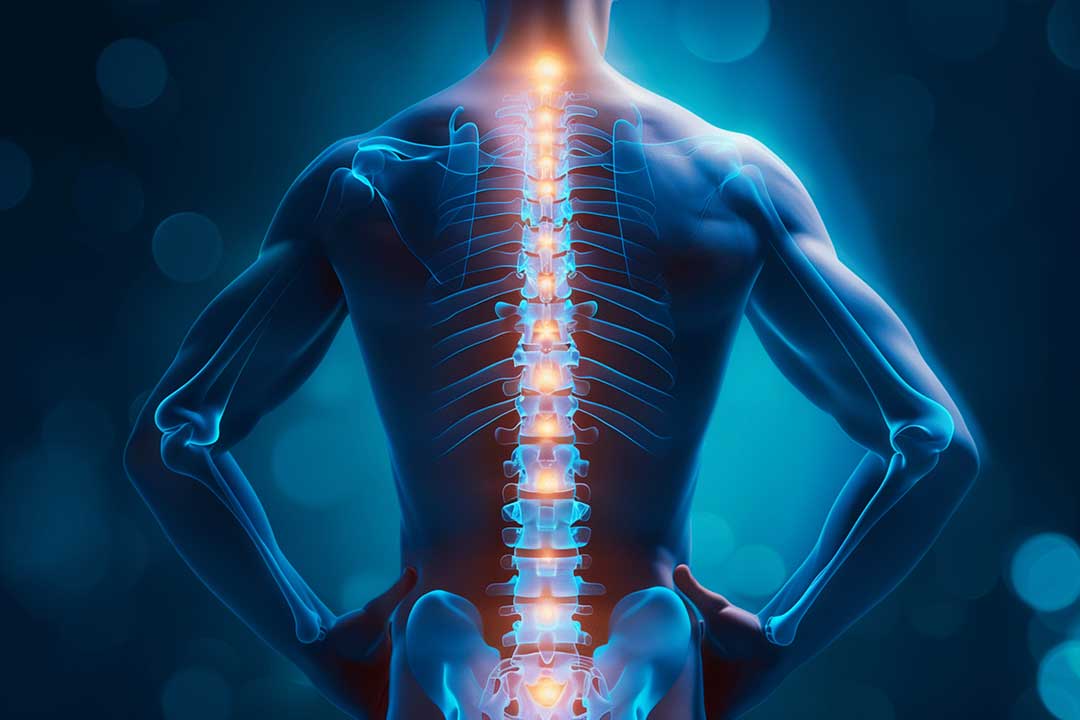
In homes with stairs, narrow pathways, or frequently moved household items, keeping walkways clear can reduce sudden movements and fall risks. Children’s backpacks, grocery bags, laundry baskets, and pet-care tasks can also contribute to repeated strain when they are overloaded or carried unevenly.
What about heat, cold, and over-the-counter medicines?
Heat may relax tight muscles and make movement easier. Cold may temporarily reduce soreness or swelling after certain activities. Use a protective layer between the skin and the source, and avoid sleeping with heating devices in place.
Over-the-counter medicines are not risk-free. Acetaminophen can be dangerous in excessive amounts or for some people with liver disease or heavy alcohol use. Anti-inflammatory medicines such as ibuprofen and naproxen may be unsuitable for people with certain kidney, stomach, heart, blood pressure, or blood-thinning concerns.
Read labels carefully, avoid doubling ingredients across products, and ask a pharmacist or medical clinician about safety when there are other health conditions or regular medicines involved.
Should chiropractic care be part of a self-care plan?
Some people use chiropractic care, physical therapy, massage, exercise, or other non-drug approaches as part of a broader plan for musculoskeletal pain. These approaches are not appropriate for every diagnosis, and results vary.
A safe plan should consider the type of pain, previous injuries, medications, bone health, neurological symptoms, and other medical conditions. Self-care works best when different parts of care support the same goals rather than relying on one technique as a universal solution.
When does chronic pain require prompt medical attention?
Certain symptoms should not be managed only at home. Prompt medical evaluation is warranted for pain accompanied by:
- New or worsening weakness, numbness, or tingling
- Loss of bladder or bowel control
- Trouble urinating
- Fever or signs of infection
- Unexplained weight loss
- Severe pain after a fall or other injury
- Rapidly worsening or unusually severe pain
- Chest pain, shortness of breath, fainting, or other emergency symptoms
A new pattern of pain also deserves evaluation, particularly when it interferes with sleep, walking, work, or basic daily activities.
Keeping a brief symptom record can make that evaluation more useful. Note the location, timing, quality of pain, activity levels, sleep, associated symptoms, and what helped or aggravated it. This information can reveal patterns and support more individualized decisions about movement, medication, and other care options.
