

A pinched nerve develops when surrounding tissue—such as a spinal disc, bone, muscle, tendon, or swollen joint—places pressure on a nerve. The result may be sharp pain, tingling, numbness, burning, or weakness along the nerve’s pathway.
Many cases improve with sensible changes in posture, movement, and activity. Prevention is not always possible, especially when arthritis, an injury, diabetes, or a disc problem is involved, but several daily habits can reduce strain and help identify problems before they worsen.
What does a pinched nerve feel like?
A pinched nerve often causes symptoms beyond the exact location of the pressure. For example, irritation in the neck may cause pain, tingling, or numbness traveling into the shoulder, arm, or hand. Pressure in the lower back may affect the buttock, thigh, calf, or foot.
Common symptoms include:
- Pain that radiates away from the neck, back, or affected joint
- Pins-and-needles sensations
- Reduced feeling or numbness
- Burning or electric-like pain
- Weakness, clumsiness, or a tendency to drop objects
- Symptoms that become worse in certain positions or during sleep
Muscle soreness alone does not necessarily mean a nerve is pinched. Nerve-related symptoms are more likely when discomfort travels along an arm or leg or is accompanied by tingling, altered sensation, or weakness.
How can posture help prevent nerve compression?
Good posture reduces prolonged pressure on the spine, shoulders, wrists, and hips. The goal is not to hold the body rigidly upright all day. Instead, change position regularly and avoid spending long periods in one posture.
At a desk or kitchen table, keep both feet supported, allow the shoulders to relax, and position frequently used objects within easy reach. A screen that is too low can encourage the head and neck to remain bent forward for extended periods. Raising the screen or changing positions throughout the day may reduce neck and upper-back strain.
During sleep, avoid positions that leave the neck sharply bent or the hips and spine twisted for hours. Side sleepers may benefit from keeping the head aligned with the spine and placing a pillow between the knees. Back sleepers may find that supporting the knees reduces lower-back tension. Comfort and neutral alignment matter more than following a single “perfect” sleep position.
Crossing the legs for short periods is usually harmless, but maintaining the same crossed-leg position for a long time can irritate nerves around the hip or knee. Shift positions before numbness develops.
Why do movement and strength matter?
Regular movement helps prevent stiffness and improves the muscles that support the spine and joints. A balanced routine can include walking, gentle mobility work, and strength exercises for the abdomen, hips, back, shoulders, and legs.
Begin gradually, particularly after a period of inactivity. Sudden increases in lifting, running, home repairs, or recreational exercise can overload tissues that are not prepared for the demand.
Useful habits include:
- Taking brief movement breaks during seated work
- Walking periodically instead of remaining in one position
- Practicing gentle range-of-motion exercises
- Strengthening major muscle groups two or more days per week as tolerated
- Warming up before strenuous activity
- Increasing exercise duration or resistance slowly
Stretching should feel mild rather than forceful. Pushing through sharp, radiating, or numb sensations can aggravate an already irritated nerve.
How should lifting and household tasks be handled?
Lifting does not automatically cause a pinched nerve, but poor mechanics and repeated strain can increase the risk of back and neck problems. Before lifting, move close to the object, place the feet securely, and use the hips and legs rather than rounding the back and twisting.
For heavier or awkward items, divide the load when possible. Carrying several smaller loads may be safer than struggling with one large object. Avoid lifting while turning at the same time.
Seasonal household tasks deserve extra attention in Lynbrook. Moving storage containers, preparing outdoor areas, clearing wet leaves, and handling snow or other heavy materials can involve repeated bending and twisting. Alternate tasks, take short breaks, and stop if pain begins to travel into an arm or leg.
Can repetitive hand and wrist use cause a pinched nerve?
Yes. Repeated gripping, typing, tool use, gaming, sewing, food preparation, and similar activities can irritate nerves around the wrist, elbow, shoulder, or neck. The risk increases when the wrist remains bent, the grip is forceful, or the same motion continues without breaks.
To reduce strain:
- Keep the wrist as straight as practical during keyboard and mouse use
- Use the whole hand rather than squeezing tightly
- Change tasks or hand positions periodically
- Take short breaks before tingling or numbness appears
- Avoid leaning the elbow on a hard surface for long periods
- Keep frequently used items close enough to prevent repeated reaching
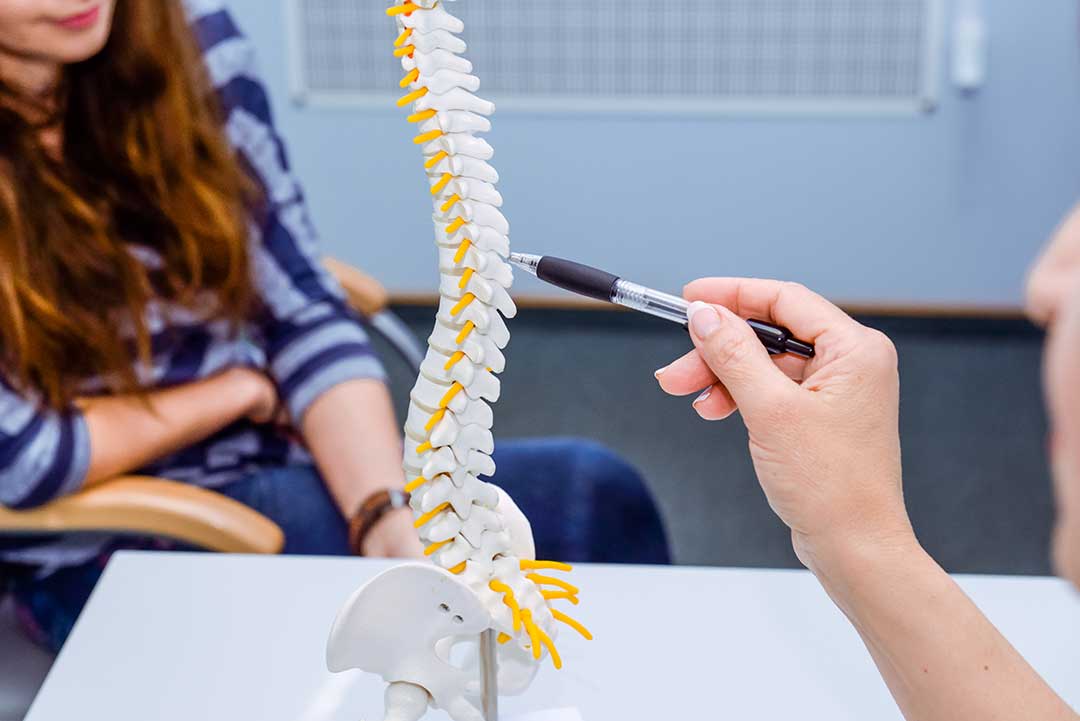
If symptoms repeatedly occur at night, during driving, or while holding a phone, the activity pattern and sleeping position may be contributing factors.
Does body weight or general health affect risk?
Body weight, blood sugar control, inflammation, and joint health can all influence nerve symptoms. Extra pressure may narrow spaces where nerves travel, while conditions such as diabetes can affect nerves in ways that may resemble compression.
Preventive care includes managing chronic conditions, staying physically active, eating regularly balanced meals, avoiding tobacco, and following prescribed treatment plans. Numbness or burning in both feet or both hands is not always a pinched nerve and may require evaluation for other causes.
What should someone do at the first sign of symptoms?
Reduce the activity that triggered the symptoms without becoming completely inactive. Gentle movement is often preferable to prolonged bed rest, but the irritated area should not be repeatedly tested with heavy lifting, forceful stretching, or intense exercise.
Track useful details:
- Where the symptoms begin and where they travel
- Whether numbness, weakness, or pain is present
- Which positions make symptoms better or worse
- Whether symptoms interfere with sleep, walking, gripping, or balance
- How long the symptoms have lasted
Short-lived symptoms that improve with rest and position changes may settle over several days. Persistent, recurring, or worsening symptoms should be assessed by a qualified healthcare professional so the cause can be identified. Chiropractic care may be one part of a broader evaluation for certain mechanical neck or back problems, but numbness and weakness should not be assumed to come from the spine without an appropriate examination.
When is urgent medical care needed?
Seek prompt medical attention for sudden or progressive weakness, loss of coordination, severe pain after an injury, or numbness that spreads quickly. New difficulty controlling the bladder or bowel, numbness around the inner thighs or groin, or significant weakness in both legs can signal serious nerve compression and requires urgent evaluation.
A pinched nerve is also less likely to be the correct explanation when symptoms include fever, unexplained weight loss, severe nighttime pain, chest discomfort, or widespread numbness. These signs should not be managed solely with home exercises.
Prevention works best as an ongoing routine: change positions, build strength gradually, protect the wrists and back during repetitive tasks, and respond early to radiating pain or altered sensation rather than waiting for weakness to develop.
