
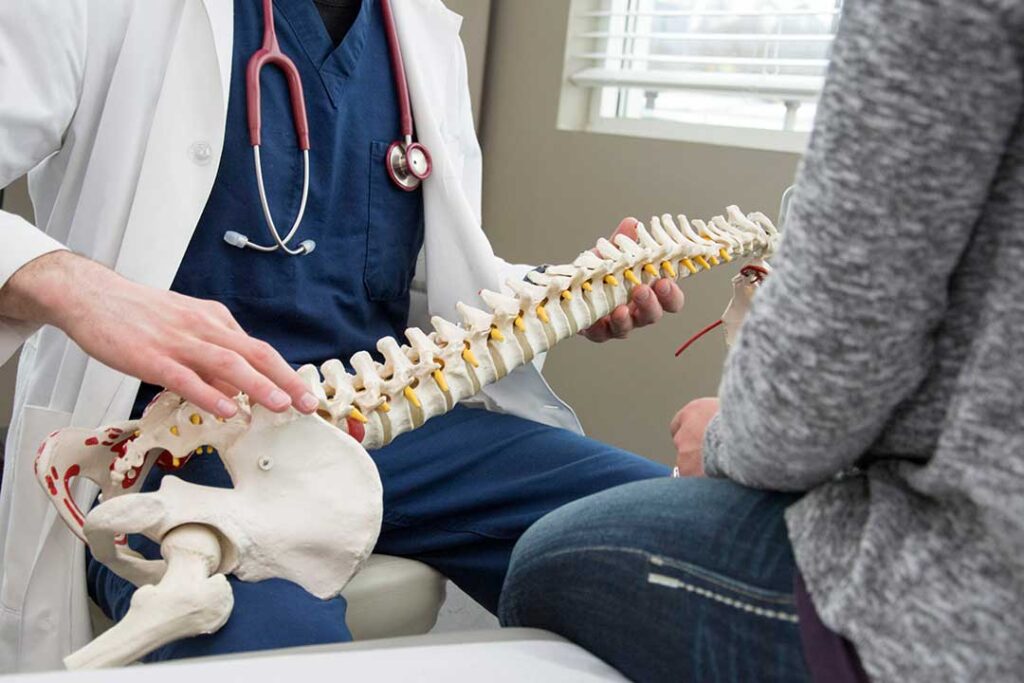
What role can chiropractic care play in an active family?
Chiropractic care may support active families by addressing certain muscle, joint, and movement-related problems that can interfere with daily activity. It is generally best understood as one part of a broader approach that may also include exercise, rest, medical evaluation, physical therapy, and gradual return to activity.
Families in Lynbrook often balance school, commuting, sports, walking, household responsibilities, and seasonal outdoor activities. That combination can create repeated physical demands, especially when a person moves suddenly from low activity during the colder months to more running, cycling, recreational sports, or yard work in spring and summer.
Chiropractic care commonly focuses on the musculoskeletal system, including the spine, joints, muscles, and movement patterns. The goal is not to treat every health problem through spinal adjustments. Instead, care should begin with a careful history and examination to determine whether the problem appears appropriate for conservative management or requires referral for medical evaluation.
Which active-family problems may respond to conservative care?
Adults may seek care for uncomplicated low-back pain, neck stiffness, muscle soreness, or joint discomfort related to lifting, prolonged sitting, repetitive work, or recreational activity. Research suggests spinal manipulation may provide modest short-term improvement for some adults with acute low-back pain, particularly when combined with advice to remain active and use appropriate exercises.
For an active parent, symptoms might develop after carrying a child, shoveling, rearranging furniture, commuting for long periods, or returning too quickly to running or strength training. For an older adult, balance work, mobility exercises, and strength training may be more relevant than repeated passive treatment.
Children and teenagers require a more cautious approach. Sports-related soreness, poor movement mechanics, overuse, falls, and heavy backpacks can contribute to discomfort. Evidence for chiropractic treatment in children is more limited than evidence for adults, and care should be age-appropriate, gentle, and coordinated with a child’s pediatric or medical care when symptoms are persistent or unusual.
Can chiropractic care help prevent sports injuries?
Chiropractic care cannot guarantee injury prevention, and an adjustment should not be viewed as a substitute for conditioning or proper technique. Injury risk is more closely influenced by factors such as sudden increases in training, inadequate recovery, weak supporting muscles, poor equipment fit, previous injury, and returning to play before healing is complete.
A movement-focused evaluation may still identify practical contributors to recurring discomfort, such as limited joint motion, reduced strength, or habits that place extra stress on a particular area. The useful outcome is often a plan involving mobility, strengthening, warm-up routines, activity modification, and education.
Helpful injury-prevention habits include:
- Increase training volume gradually rather than adding distance, intensity, or games all at once.
- Warm up with low-intensity movement before vigorous activity.
- Include strength and balance exercises appropriate to age and ability.
- Use properly fitted footwear and protective equipment.
- Vary activities so the same tissues are not stressed every day.
- Allow adequate sleep, hydration, and recovery between demanding sessions.
- Stop or reduce an activity when pain changes movement or continues afterward.
For children ages 6 through 17, daily physical activity is encouraged, but organized sports should be balanced with rest and varied movement. Young athletes do not necessarily benefit from specializing in one sport year-round without breaks.
What happens during an evaluation?
A responsible evaluation should include more than locating a tender spot or taking a brief symptom history. The clinician may ask when the problem began, whether it followed an injury, what activities increase or reduce symptoms, and whether there is numbness, weakness, fever, unexplained weight loss, or nighttime pain.
The examination may include posture, walking, range of motion, strength, reflexes, coordination, and specific movement tests. Imaging is not automatically needed for ordinary muscle or joint pain. It may be considered when the history or examination suggests a fracture, serious injury, nerve involvement, infection, or another condition requiring further investigation.
Treatment may include manual therapy, soft-tissue techniques, mobility exercises, strengthening, ergonomic advice, and a temporary adjustment to activity. A plan that includes active participation is generally more useful than relying on passive treatment alone.
Is chiropractic care appropriate for children?
Sometimes, but the reason for care matters. Children should not be treated as small adults. Their bones, joints, growth areas, communication skills, and activity patterns differ from those of adults.
A child with mild, clearly activity-related muscle soreness may need rest, gentle movement, and observation rather than immediate manipulation. A child with repeated pain, an unexplained limp, pain that wakes them at night, or symptoms after a significant fall should be evaluated by a pediatric medical professional.
Parents should ask what diagnosis is being considered, what treatment is proposed, how force and technique will be adapted for the child, what alternatives exist, and how progress will be measured. Claims that chiropractic care can treat unrelated conditions such as infections, asthma, or routine childhood illnesses should be viewed cautiously because spinal care is not a replacement for pediatric diagnosis or treatment.

When should an active family seek medical evaluation first?
Certain symptoms require medical attention before chiropractic treatment or exercise. Emergency evaluation may be appropriate after a major collision, loss of consciousness, breathing difficulty, suspected fracture, severe weakness, or inability to walk.
Prompt medical assessment is also warranted for:
- New numbness, tingling, or weakness in an arm or leg
- Loss of bladder or bowel control
- Severe or rapidly worsening pain
- Fever with significant back or joint pain
- A visibly deformed joint or limb
- Pain after a substantial fall or direct blow
- Repeated vomiting, confusion, or unusual drowsiness after a head injury
- Unexplained weight loss or persistent nighttime pain
- A child who cannot bear weight or is walking abnormally
A child who has pain from overuse lasting more than two weeks, recurring back pain, or pain associated with bending backward should also receive appropriate medical guidance.
How can families stay active while managing discomfort?
Complete inactivity is not always necessary for uncomplicated muscle or joint pain. In many cases, reducing the aggravating activity while continuing comfortable walking or gentle movement can help prevent stiffness. The right level depends on the injury, age, health history, and symptoms.
In a dense suburban community with stairs, compact homes, school commutes, and frequent transitions between indoor and outdoor activities, small adjustments can matter. Families may benefit from keeping backpacks light, setting up study areas that support neutral posture, using safe lifting techniques, and avoiding long periods in one position.
The central question is not whether every active family needs chiropractic care. It is whether the care is appropriate for the specific problem, supported by a clear examination, combined with active rehabilitation, and coordinated with medical care when warning signs are present.
