
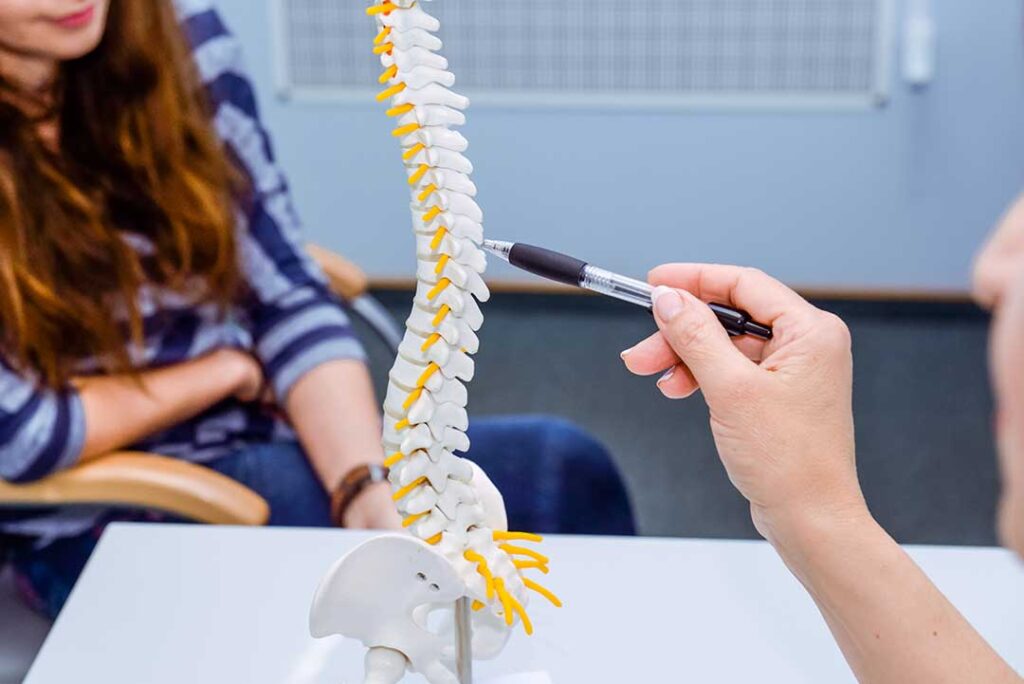
Poor posture is more than an appearance issue. Repeatedly holding the head, shoulders, pelvis, or spine in an awkward position can increase strain on muscles and joints, contribute to discomfort, and make ordinary activities more tiring. For residents of Lynbrook, NY, posture may be affected by long commutes, desk work, phone use, household tasks, and seasonal routines that reduce outdoor movement.
Posture is not about holding the body rigidly or trying to look “perfect.” Healthy posture allows the body to change positions comfortably while keeping muscles, joints, and the spine from carrying unnecessary stress.
What does poor posture do to the body?
Poor posture can increase the workload on certain muscles while allowing other muscles to become less active. Over time, this imbalance may contribute to stiffness, fatigue, headaches, and pain in the neck, shoulders, upper back, or lower back.
Common examples include:
- Holding the head forward while looking at a phone or laptop
- Rounding the shoulders while sitting
- Slouching into a soft couch for long periods
- Sitting with the pelvis tucked under and the lower back flattened
- Standing with most weight shifted onto one leg
- Reaching, lifting, or carrying with the body twisted
The effect is usually gradual. A single period of slouching rarely causes lasting harm, but repeating the same position for hours each day can make tissues less tolerant of stress.
Can poor posture cause neck and shoulder pain?
Yes. Forward-head posture can increase the demand placed on the muscles that support the neck and upper back. The farther the head moves in front of the shoulders, the harder these muscles may need to work to keep the head upright.
This pattern often develops during computer use, texting, reading, or watching television. Symptoms may include:
- Aching or tightness across the neck and shoulders
- Reduced ability to turn the head comfortably
- Pain between the shoulder blades
- Tension-type headaches
- Tingling or numbness in an arm or hand
Posture is not the only possible cause of these symptoms. Arthritis, nerve irritation, an injury, migraine, and other medical conditions can produce similar complaints. Persistent, worsening, or unexplained symptoms deserve medical evaluation rather than being attributed automatically to sitting position.
How can posture affect breathing and energy?
A rounded upper body can limit how freely the ribs and chest wall move, especially during deep breathing. This does not mean poor posture causes lung disease, but it may make breathing feel less comfortable during prolonged sitting or inactivity.
Slouched positions can also make the body work less efficiently. Some muscles remain under constant low-level tension, while others contribute less than they should. The result may be fatigue, reduced concentration, or the feeling of needing to shift positions frequently.
For people working from home or spending long periods indoors during cold, wet, or windy weather, uninterrupted sitting can become a daily habit. The issue is often not one “bad” position but too little movement between positions.
Does poor posture affect the lower back?
It can. A slumped sitting position changes the angle of the pelvis and lower spine. If maintained for a long time, this may increase stress on the muscles, ligaments, joints, and discs of the lower back.
Lower-back symptoms linked with prolonged sitting may include:
- Dull aching after desk work or driving
- Stiffness when standing after sitting
- Discomfort that improves after walking or changing position
- Reduced tolerance for lifting, bending, or household chores
A supportive chair may help, but no chair can replace regular movement. Standing briefly, walking around the home, or changing the position of the feet and pelvis can reduce the time spent in one sustained posture.
Can posture influence balance and movement?

Posture affects how the body distributes weight over the feet. If the head, trunk, or pelvis remains shifted forward or to one side, balance strategies may change. This can make walking, climbing stairs, carrying groceries, or getting up from a chair feel less coordinated.
Older adults may be especially affected because strength, vision, joint mobility, and balance can change with age. However, posture-related movement habits can affect people of any age, including children and teenagers who spend substantial time using screens.
Posture alone does not explain every balance problem. Sudden loss of balance, new weakness, dizziness, trouble speaking, or one-sided numbness requires urgent medical attention.
What is a healthier sitting posture?
A healthier sitting position is comfortable, supported, and easy to change. Useful adjustments include:
- Keep both feet supported on the floor or a stable footrest.
- Position the screen near eye level so the chin does not constantly drop.
- Let the shoulders remain relaxed rather than pulled forcefully backward.
- Keep the elbows close to the body when using a keyboard.
- Support the lower back without forcing an exaggerated arch.
- Avoid sitting on a wallet, phone, or other object that tilts the pelvis.
- Change position before discomfort becomes intense.
There is no single correct posture for every person. Chair height, body proportions, vision, work demands, and existing conditions all affect what feels sustainable.
How can residents reduce posture-related strain at home and work?
The most useful strategy is to combine better positioning with frequent movement. Try a brief reset every 30 to 60 minutes:
1. Stand up and walk for a minute or two.
2. Let the arms hang loosely and roll the shoulders gently.
3. Look across the room to relax the eyes and neck.
4. Take a few comfortable breaths without forcing the chest upward.
5. Resume work in a slightly different position.
At home, avoid using a laptop for long periods on a bed or low couch. If household tasks involve lifting laundry, carrying packages, or clearing outdoor areas after winter weather, keep loads close to the body and turn with the feet instead of twisting through the spine.
Regular walking, general strengthening, and mobility exercises can also improve tolerance for daily activities. Exercises should be comfortable and appropriate for a person’s health history. Pain that steadily increases during movement is a reason to stop and reassess.
When should posture-related pain be evaluated?
Pain that lasts more than a few weeks, repeatedly returns, limits sleep or normal activity, or is accompanied by numbness, weakness, fever, unexplained weight loss, or a recent significant injury should be evaluated by a qualified healthcare provider.
Urgent assessment is appropriate for symptoms such as loss of bladder or bowel control, severe weakness, chest pain, difficulty breathing, sudden neurological changes, or pain following a major accident.
A chiropractor, physical therapist, primary care clinician, or other qualified provider may assess movement, strength, joint function, work habits, and possible medical causes. The appropriate approach depends on the individual’s symptoms and health history. Posture education can be useful, but it should not replace evaluation when warning signs are present.
