
Minor aches and pains are easy to dismiss, especially when they do not interfere with work, sleep, or household responsibilities. Yet recurring discomfort can be an early sign that a movement pattern, injury, joint problem, or nerve irritation deserves attention.
For residents of Lynbrook, NY, everyday routines may place repeated demands on the body: commuting, walking, sitting at a desk, caring for family members, climbing stairs, maintaining a home, or managing seasonal outdoor tasks. A small ache may reflect temporary muscle fatigue, but it can also become more persistent when the underlying cause is ignored.
Is a minor ache always a serious problem?
Usually, no. Many mild aches result from ordinary muscle soreness, an unfamiliar activity, prolonged sitting, awkward sleeping positions, or a minor strain. These problems often improve with rest, gentle movement, and a gradual return to normal activity.
The concern is not that every ache signals a major condition. The concern is that pain can become easier to overlook when it appears repeatedly or changes how a person moves.
Pay attention to patterns such as:
- Pain that returns in the same location
- Stiffness that lasts longer than expected
- Discomfort that gradually becomes more frequent
- Pain that causes limping or guarded movement
- Reduced ability to turn, reach, lift, bend, or walk normally
- Symptoms that continue despite modifying the activity that triggered them
A mild symptom that resolves and does not recur is different from a mild symptom that steadily becomes part of daily life.
Why can ignoring discomfort make it harder to recover?
Pain often changes movement before a person consciously notices it. Someone with a sore knee may shift weight to the other leg. Someone with neck discomfort may turn the entire upper body instead of rotating the neck. A person with low back pain may avoid bending and rely more heavily on the hips or arms.
These adjustments can be useful briefly because they protect a painful area. If they continue for weeks, however, they may place extra stress on other muscles and joints. The result can be a cycle of stiffness, reduced activity, weakness, and more sensitivity to ordinary movements.
Ignoring discomfort may also lead people to alternate between doing too much and too little. For example, a person may push through pain during a busy weekend, then remain inactive for several days afterward. A more consistent approach is usually better: reduce aggravating activities, maintain comfortable movement, and increase activity gradually as symptoms allow.
What does the location of pain suggest?
The location can provide clues, but it does not identify the cause by itself.
Neck and shoulder discomfort may be associated with prolonged screen use, carrying bags, sleeping position, repetitive reaching, or tension. Back pain may follow lifting, long periods of sitting, reduced conditioning, or an awkward movement. Hip and knee symptoms may become more noticeable with stairs, squatting, walking, or changes in activity level. Wrist and hand pain can appear after repeated gripping, typing, tool use, or other fine-motor tasks.
Pain that travels down an arm or leg, or that occurs with tingling, numbness, or weakness, deserves closer attention because nerves may be involved. Swelling, warmth, redness, or restricted joint motion may point toward inflammation or injury rather than simple muscle soreness.
The timing also matters. Symptoms that are worse after one particular activity may suggest a mechanical or overuse pattern. Pain that regularly wakes someone at night, occurs without an obvious trigger, or is accompanied by general illness should not be treated as routine soreness.
What can be done safely at home?
For a mild ache without warning signs, the first step is to observe rather than panic. Consider what changed before the pain began: a new workout, extra housework, a long drive, a different pillow, prolonged sitting, or lifting something heavier than usual.
Helpful measures may include:
- Temporarily reducing the activity that clearly worsens the pain
- Continuing gentle, comfortable movement instead of remaining still all day
- Using brief periods of cold after a recent strain or swelling, if that feels helpful
- Using warmth for stiffness when there is no recent injury or swelling
- Taking regular breaks from sitting and changing position
- Returning to exercise gradually rather than resuming full intensity immediately
- Keeping a simple record of when symptoms occur and what affects them

Stretching should feel mild, not sharp or forceful. Exercise is generally helpful for long-term mobility, but pain that is sharp, worsening, or associated with limping is a reason to modify the activity rather than push through it.
Medication may help some people, but over-the-counter pain relievers are not appropriate for everyone. Medical conditions, pregnancy, allergies, kidney or liver problems, stomach ulcers, and other medications can affect safety. Product directions and guidance from a qualified medical provider should be followed.
When should a minor ache be evaluated?
Consider an evaluation when pain lasts longer than expected, repeatedly returns, or interferes with normal activities. A symptom does not need to be severe to deserve attention if it is changing how a person walks, sleeps, works, exercises, or performs routine tasks.
An evaluation is especially reasonable after:
- A fall, collision, twisting injury, or other known trauma
- Persistent swelling or loss of motion
- New weakness, numbness, or tingling
- Pain that spreads into an arm or leg
- Symptoms that continue despite rest and activity changes
- Repeated episodes in the same area
- Pain in a person with a history of osteoporosis, cancer, inflammatory disease, or significant injury
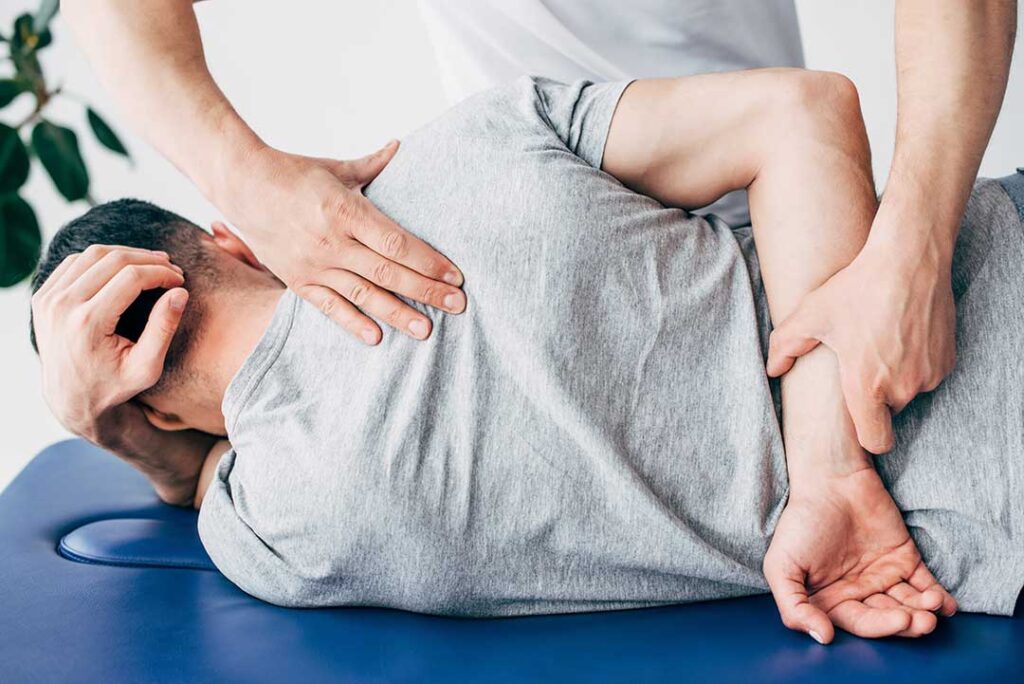
A chiropractor may assess movement and musculoskeletal function, but persistent or unusual symptoms may also require assessment by a primary care clinician, physical therapist, orthopedic specialist, or another appropriate healthcare professional. The right type of evaluation depends on the symptoms and medical history.
Which warning signs require urgent care?
Some symptoms should not be managed as an ordinary ache. Urgent medical assessment is appropriate for severe pain after significant trauma, sudden loss of strength, a deformed or unusable joint, or rapidly increasing swelling.
Back pain accompanied by new difficulty controlling the bladder or bowel, numbness around the groin or inner thighs, or weakness in both legs requires emergency attention. Chest pressure, shortness of breath, fainting, or pain spreading to the jaw or arm should also be treated as an emergency rather than a muscle problem.
Fever, unexplained weight loss, severe nighttime pain, a hot and red joint, or feeling seriously unwell alongside muscle or joint pain may indicate an issue outside ordinary strain.
How can local residents reduce recurring aches?
Prevention is often practical rather than complicated. Break up long periods of sitting, keep frequently used household items within comfortable reach, use safe lifting mechanics, and avoid increasing exercise intensity suddenly. During colder or wetter seasons, allow extra time for warm-up before outdoor activity and be cautious on slippery walkways.
Regular walking, strengthening, balance work, and mobility exercises can support function when performed at an appropriate level. Adults who are inactive do not need to begin with long workouts. Short, manageable periods of movement can be built into the day and increased gradually.
The useful question is not whether every ache can be eliminated. It is whether the symptom is improving, staying stable, or quietly becoming more limiting. Tracking that pattern helps prevent a manageable problem from becoming an overlooked one.
