
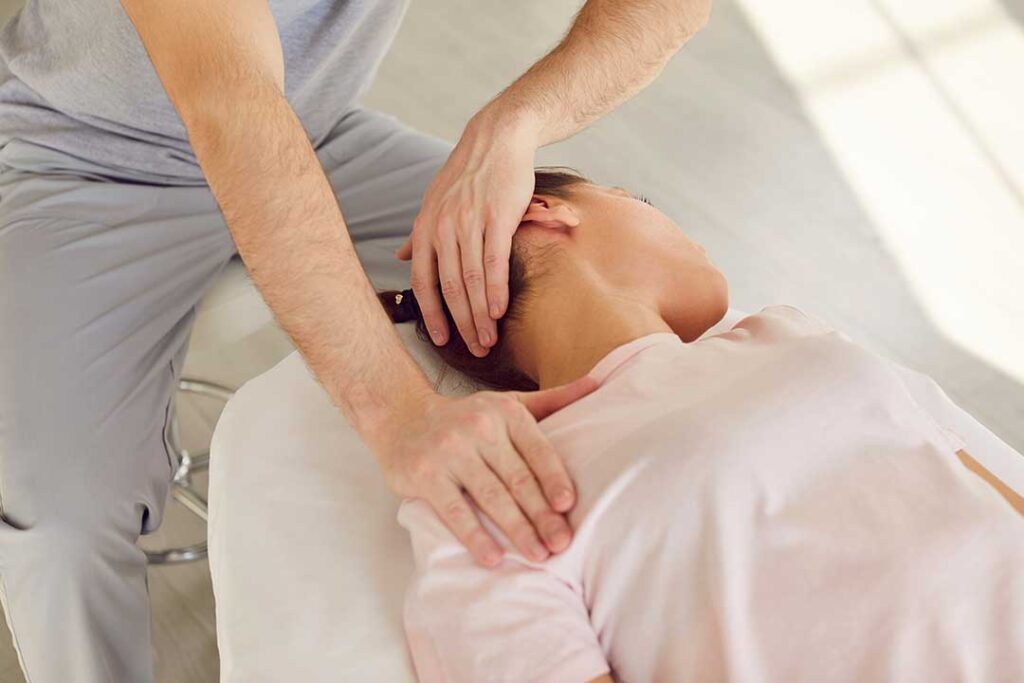
What does spinal health have to do with quality of life?
Spinal health affects much more than back comfort. The spine supports movement, protects the spinal cord, helps the body maintain balance, and works with muscles and joints during nearly every routine activity. When the back, neck, or related structures are irritated or not moving well, sleep, work, exercise, mood, and independence may all be affected.
For residents of Lynbrook, daily demands can include commuting, desk work, walking, household responsibilities, caregiving, and seasonal outdoor tasks. These activities place different stresses on the body. Good spinal health does not mean never having pain; it means maintaining enough mobility, strength, coordination, and recovery capacity to participate in daily life.
How can spinal problems affect normal activities?
Back and neck issues often show up first as changes in routine rather than as severe pain. A person may begin avoiding stairs, taking longer to get dressed, standing less often, or choosing not to participate in activities that were previously enjoyable.
Common effects include:
- Difficulty sitting through a workday or commute
- Trouble turning the head while driving or checking surroundings
- Reduced tolerance for walking, lifting, gardening, or exercise
- Discomfort when bending to tie shoes, pick up items, or clean
- Greater reliance on family members for household tasks
- Fear of moving because movement seems likely to worsen symptoms
Pain can also alter movement patterns. Someone with low back discomfort may shift weight to one side, brace the abdominal muscles, or take shorter steps. These adaptations may reduce discomfort temporarily but can increase strain in other areas if they continue for too long.
Why does spinal health influence sleep?
Back and neck discomfort commonly interferes with sleep by making it difficult to find a comfortable position or turn in bed. Poor sleep can then increase sensitivity to pain, reduce concentration, and make physical activity feel more difficult the next day.
A supportive sleep routine may include:
- Keeping the neck in a neutral position rather than sharply bent
- Using a pillow height that feels comfortable for the sleeping position
- Placing a pillow between the knees when side sleeping
- Placing a pillow beneath the knees when lying on the back
- Avoiding prolonged phone use in bed with the head bent forward
- Changing position gradually instead of twisting quickly
Mattress preferences differ, so there is no single firmness level that works for everyone. The useful goal is a position that allows the spine and surrounding muscles to relax without creating new pressure points.
Can spinal health affect mood and concentration?
Persistent pain can affect emotional well-being even when a person does not have a separate mental health condition. Pain may limit social activities, interrupt sleep, reduce exercise, and create uncertainty about which movements are safe. These changes can contribute to irritability, low motivation, or difficulty concentrating.
The relationship also works in the other direction. Stress can increase muscle tension, change breathing patterns, and make the nervous system more alert to discomfort. This does not mean pain is imaginary. It means the body’s physical and emotional systems influence one another.
A balanced approach often includes gradual activity, regular sleep, manageable work habits, and attention to stress. Avoiding every movement can lead to deconditioning, while pushing through severe or worsening symptoms can create additional problems.
What everyday habits support a healthier spine?
Spinal health is influenced by repeated habits more than by a single posture or isolated movement. A sustainable routine usually combines movement variety, basic strength, and sensible recovery.
Helpful habits include:
- Break up sitting every 30 to 60 minutes with a brief walk or change of position.
- Keep frequently used items at a comfortable height to reduce repeated bending.
- Carry bags close to the body and distribute weight evenly when possible.
- Bend through the hips and knees when lifting rather than rounding only through the lower back.
- Increase exercise gradually instead of making sudden large changes.
- Include walking, strength work, balance activities, or mobility exercises according to individual ability.
- Use handrails and move carefully on wet, icy, or uneven surfaces.
- Avoid staying in one fixed posture for long periods, even if the posture initially feels comfortable.
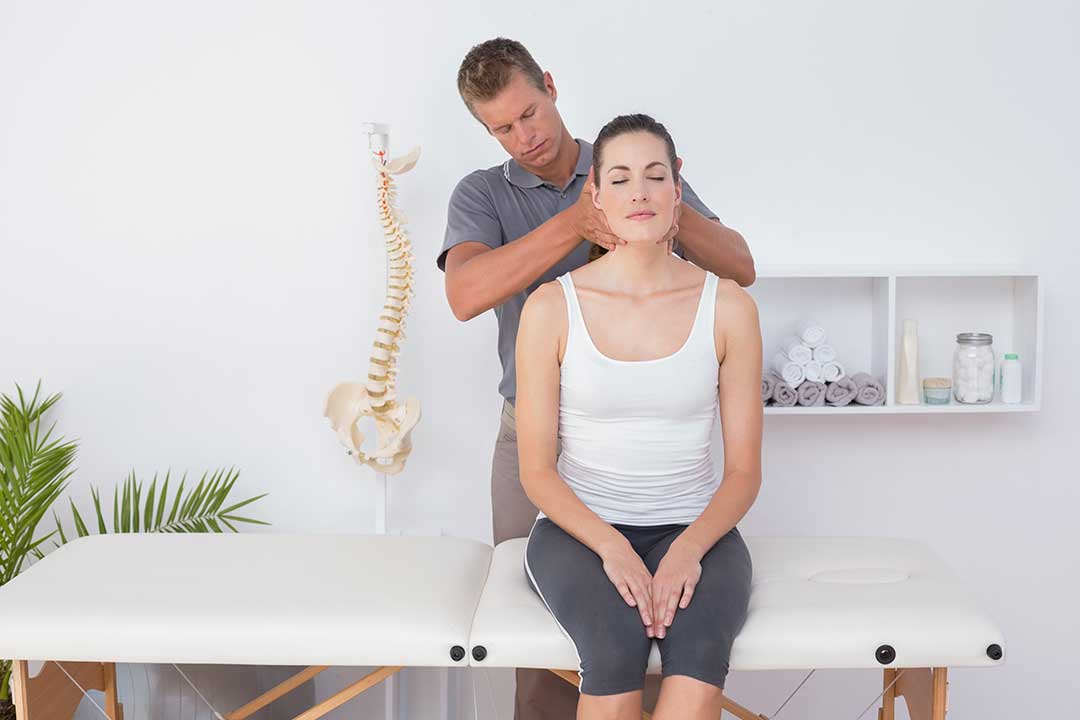
During winter, slick sidewalks, driveways, and steps can increase the chance of a fall. Footwear with adequate traction, slower movement, and attention to handrails are practical ways to reduce avoidable strain and injury.
Is poor posture the main cause of back or neck pain?
Poor posture is only one possible contributor, not a complete explanation. Bodies are designed to move through many positions, and there is no single perfect posture that must be maintained all day.
Problems are more likely when a position is held for a long time, repeated under load, or combined with limited strength and recovery. For example, leaning toward a screen for several hours may cause neck and upper-back fatigue, but the same position for a short period is unlikely to damage the spine by itself.
A more useful goal is posture variety. Adjust the chair, screen, and work surface so they are reasonably comfortable, then change position regularly. A neutral position can reduce strain, but movement remains essential.
When should back or neck symptoms be evaluated promptly?
Many mild episodes improve with relative rest, gentle movement, and time. However, certain symptoms require prompt medical attention because they may signal nerve involvement, infection, fracture, or another serious condition.
Seek urgent evaluation for back or neck pain accompanied by:
- New loss of bladder or bowel control
- Numbness in the groin or inner thighs
- Significant or worsening weakness in an arm or leg
- Severe pain after a fall, collision, or other trauma
- Fever, unexplained weight loss, or feeling seriously ill
- New symptoms in a person with a history of cancer or significant immune suppression
- Pain that is rapidly worsening or unrelenting at rest
Pain that travels into an arm or leg, persistent numbness or tingling, or symptoms that do not improve should also be assessed rather than ignored. The appropriate type of evaluation depends on the pattern, severity, duration, health history, and physical findings.
How can spinal health preserve independence?
A healthy spine supports the ability to get out of a chair, carry groceries, climb steps, work, exercise, and remain involved in family and community life. Preserving that ability is not about achieving perfect alignment or eliminating every ache. It is about maintaining practical function and responding early when symptoms begin to limit normal activities.
For area households, a realistic plan may involve alternating sitting and standing during work, walking regularly, improving lifting habits, keeping pathways clear during winter weather, and addressing persistent symptoms before they lead to prolonged inactivity. Spinal health is closely tied to the freedom to move through daily life with confidence and reasonable comfort.
