
Chronic pain can affect movement, sleep, concentration, work, and mood. Self-care does not replace medical evaluation, but consistent daily habits can reduce flare-ups, preserve function, and make other treatments more effective.
What counts as chronic pain?
Chronic pain generally lasts three months or longer, or continues beyond the expected healing period. It may involve the back, neck, shoulders, hips, joints, muscles, nerves, or several areas at once.
Pain intensity is only one part of the picture. A person may have moderate pain but still walk, work, and sleep reasonably well. Another person may have less intense pain that severely limits daily activities. Tracking function is often as useful as tracking a numerical pain score.
Common influences include:
- Previous injuries or surgery
- Arthritis or other joint conditions
- Repetitive lifting, prolonged sitting, or physically demanding work
- Nerve irritation or nerve-related disorders
- Poor sleep, ongoing stress, or low activity levels
- Health conditions that affect inflammation, circulation, or muscle function
A self-care plan should focus on improving movement and daily life rather than expecting every sensation to disappear immediately.
How should movement be used during a flare-up?
Gentle, regular movement is usually more helpful than complete bed rest. Staying still for long periods can increase stiffness, reduce strength, and make ordinary activities feel more difficult.
During a flare-up, reduce the intensity or duration of an activity rather than stopping all movement. For example, a person with back discomfort might take several short walks around the home instead of attempting one long walk. Someone with knee pain might perform gentle range-of-motion exercises and use a chair for support.
Useful options may include:
- Walking at a comfortable pace
- Water-based exercise
- Gentle mobility exercises for the neck, shoulders, hips, or ankles
- Light strengthening with body weight or resistance bands
- Stretching that feels mild rather than forceful
Pain that becomes sharply worse, spreads with new numbness, or causes weakness is not a signal to push through. Exercise should be adjusted when symptoms remain elevated for hours afterward or interfere with sleep.
For residents of Lynbrook, outdoor walking may need to be modified during icy sidewalks, heavy rain, high heat, or cold winter conditions. Indoor walking, brief movement breaks, and simple household mobility routines can maintain consistency when weather or pavement conditions are poor.
What is pacing, and why does it matter?
Pacing means dividing activities into manageable amounts before pain becomes overwhelming. It helps avoid the cycle of doing too much on a good day, followed by several days of increased symptoms.
A practical pacing approach is to:
1. Identify how long an activity can be done comfortably.
2. Stop or change position before reaching the point of exhaustion.
3. Alternate heavier tasks with lighter ones.
4. Increase activity gradually rather than making large jumps.
5. Keep a reasonably consistent routine on both good and difficult days.
Household tasks can be divided into smaller steps. Laundry, cleaning, shopping, and meal preparation may be easier when lifting is limited, frequently used items are kept within easy reach, and sitting is used for tasks that do not require standing.
How can sleep support pain control?
Poor sleep can increase sensitivity to pain and make coping more difficult. Pain can also interrupt sleep, creating a cycle that needs to be addressed from both directions.
Helpful habits include keeping a regular wake time, dimming bright screens before bed, limiting caffeine later in the day, and using a comfortable pillow and sleep position. A brief wind-down routine may include slow breathing, gentle stretching, or quiet reading.
If pain repeatedly wakes someone, the sleep position, mattress, pillow height, and evening activity level may be worth reviewing. Loud snoring, gasping during sleep, persistent insomnia, or severe daytime fatigue should be discussed with a healthcare provider because an untreated sleep disorder can worsen pain and energy levels.
Can heat, cold, or posture help?
Heat may relax tight muscles and make movement easier, especially before gentle activity. Cold may temporarily reduce discomfort after an aggravating activity or during some inflammatory flare-ups. Neither should be applied directly to bare skin for prolonged periods, and people with reduced sensation or circulation problems should use extra caution.
Posture is not a single perfect position. The body generally benefits from changing positions regularly rather than holding a rigid posture all day. At a desk, feet should be supported, the screen should be near eye level, and the shoulders should remain relaxed. Long periods of phone use, driving, or television viewing should include movement breaks.
For homes with stairs, compact rooms, or frequently used items stored low or high, small changes in layout can reduce repeated bending, reaching, and carrying.
How do stress and emotions affect chronic pain?
Stress does not mean pain is imaginary. Stress can increase muscle tension, disrupt sleep, heighten alertness, and make the nervous system more responsive to discomfort. Addressing stress is therefore a physical pain-management strategy as well as an emotional one.
Short practices are often easier to maintain than ambitious routines. Consider five minutes of slow breathing, a brief walk, time outdoors, progressive muscle relaxation, or a conversation with a trusted person. Counseling or behavioral pain-management programs may also help people develop skills for reducing fear, frustration, and avoidance.
A pain diary can identify patterns involving activity, sleep, weather, stress, meals, and medication use. The goal is not to monitor every sensation but to notice manageable influences and plan around them.
What should people know about over-the-counter pain medicine?
Over-the-counter medicines are not automatically risk-free. Anti-inflammatory medicines may cause stomach, kidney, blood pressure, or cardiovascular problems in some people. Acetaminophen can harm the liver if the total daily amount is too high or if it is combined unknowingly with other products containing acetaminophen.
Before using medication regularly, review the label and consider personal risks such as ulcers, kidney or liver disease, blood thinners, pregnancy, allergies, or heavy alcohol use. Do not combine products with the same active ingredient, and do not increase a dose simply because pain has continued.
Prescription medicines, supplements, muscle relaxants, and opioids also require careful use. Alcohol and sedating medicines can create dangerous combinations. Medication changes should be discussed with a healthcare professional or pharmacist rather than made independently.
When does chronic pain need prompt medical attention?
Self-care is not appropriate for every new or changing symptom. Prompt medical evaluation is warranted for pain accompanied by:
- New or worsening weakness, numbness, or tingling
- Loss of bladder or bowel control
- Severe pain after a fall, collision, or other injury
- Fever, unexplained weight loss, or unusual illness
- Rapidly worsening pain or pain that is not responding to usual measures
- Chest pain, shortness of breath, fainting, or severe abdominal symptoms
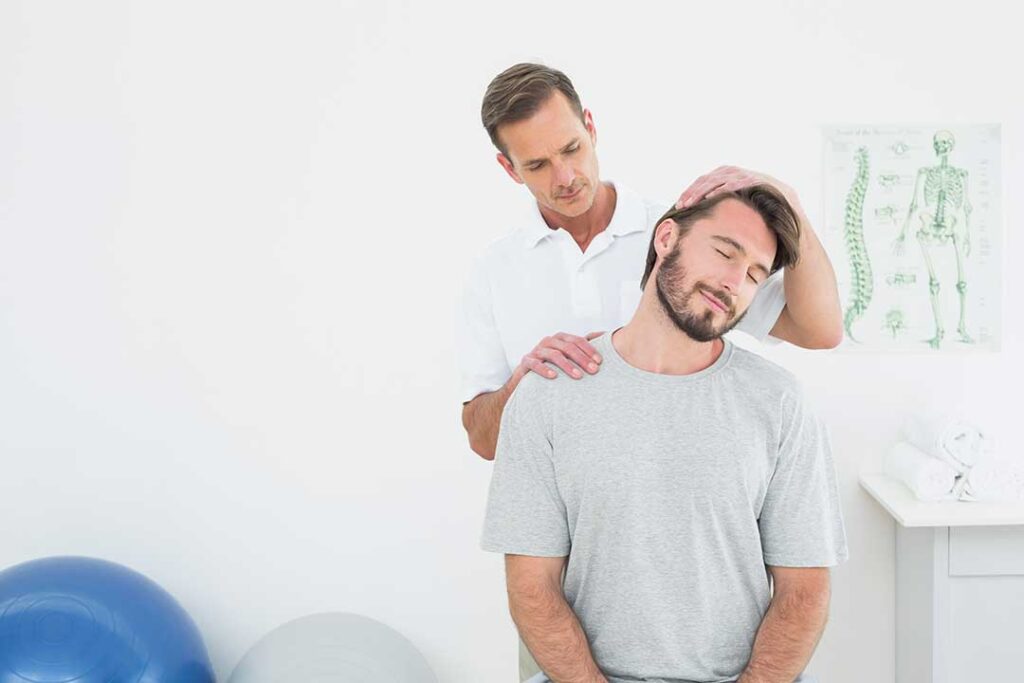
People with chronic pain should also seek evaluation when symptoms progressively limit walking, work, sleep, or basic self-care. A chiropractor may be part of a coordinated musculoskeletal care plan for some conditions, but persistent or unusual symptoms may require medical testing or care from another discipline.
How can a simple daily plan be built?
A manageable plan might include a short walk or mobility session, one planned activity break each hour, a regular sleep schedule, and a note about symptoms and triggers. Progress can be measured by standing longer, walking farther, sleeping more consistently, or completing household tasks with fewer interruptions.
The most useful plan is one that can be repeated safely. Gradual activity, thoughtful pacing, adequate sleep, stress management, and medication awareness provide a practical foundation for managing long-term pain in everyday life.
