

Arthritis can make ordinary activities—walking, climbing stairs, turning your head, gardening, or getting out of a chair—feel more difficult. The right management plan depends on the type of arthritis, the joints involved, overall health, and whether symptoms are caused by inflammation, joint wear, an old injury, or another condition.
For residents of Lynbrook, NY, practical arthritis care often means combining gentle movement, strength-building, joint protection, sleep support, and appropriate medical guidance. Chiropractic care may have a role for some muscle and joint problems, but it should complement—not replace—proper diagnosis and coordinated care.
What type of arthritis is causing the symptoms?
The word “arthritis” describes more than 100 conditions. Osteoarthritis is commonly associated with gradual cartilage and joint changes, while rheumatoid arthritis, gout, psoriatic arthritis, and other inflammatory conditions can cause different symptoms and require different treatment.
Osteoarthritis often causes:
- Pain that increases with activity
- Stiffness after sitting or waking, usually lasting less than about 30 minutes
- Reduced range of motion
- Clicking, grinding, or tenderness near a joint
- Symptoms that develop gradually
Inflammatory arthritis may involve prolonged morning stiffness, visible swelling, warmth, fatigue, or symptoms affecting several joints. A hot, red, suddenly painful joint may indicate gout, infection, or another urgent condition.
A chiropractic assessment cannot determine every cause of joint pain. New, worsening, or unexplained symptoms may require evaluation by a primary care clinician, rheumatology specialist, or other appropriate medical provider.
Can chiropractic care help people with arthritis?
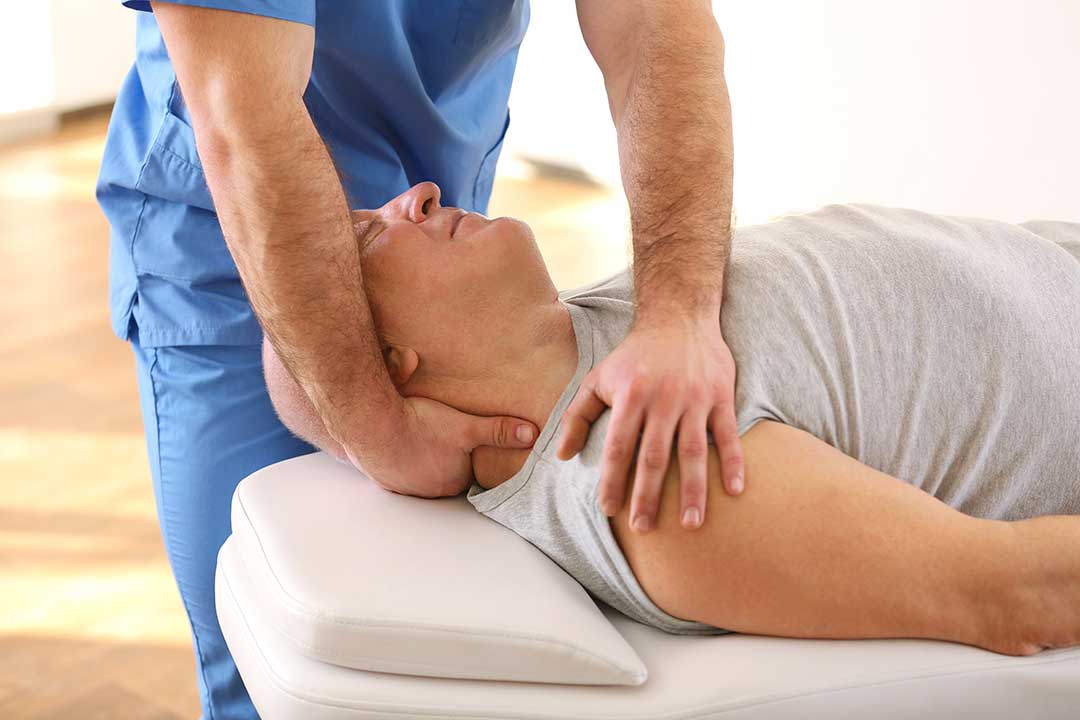
Chiropractic care may help some people manage stiffness, restricted movement, and related muscle discomfort, especially when arthritis affects the spine or when surrounding muscles become tense from altered movement.
Possible approaches may include:
- Gentle joint mobilization
- Soft-tissue techniques
- Posture and movement education
- Exercises for strength, balance, and flexibility
- Advice on modifying repetitive activities
The goal should be improved function and safer movement—not forcing an arthritic joint beyond its comfortable range. Spinal manipulation is not a cure for arthritis, does not rebuild damaged cartilage, and may not be appropriate for every person or every joint.
Forceful techniques deserve particular caution when someone has severe osteoporosis, an acute injury, advanced inflammatory disease, spinal cord symptoms, recent surgery, blood-clotting problems, or uses medication that significantly affects bleeding risk. A complete health history should be discussed before hands-on treatment.
Is exercise safe with arthritis?
For most people with arthritis, appropriately scaled exercise is one of the most useful long-term management tools. Avoiding all movement can lead to muscle weakness, more stiffness, reduced balance, and greater stress on the affected joint.
Start with activities that create little or no increase in symptoms, such as:
- Short walks on level surfaces
- Stationary cycling
- Water exercise
- Gentle range-of-motion movements
- Light resistance-band exercises
- Tai chi or balance practice
In a dense suburban community such as Lynbrook, daily movement may involve stairs, sidewalks, household chores, commuting, and prolonged sitting. These activities can be divided into short periods rather than treated as one demanding workout. Five- to ten-minute sessions may be easier to tolerate than a single long session.
Mild soreness after new activity can occur, but sharp pain, substantial swelling, or symptoms that continue worsening into the next day suggest that the activity should be reduced or reassessed.
How can joint stiffness be managed at home?
Heat is often useful for stiffness before activity. A warm shower, heating pad, or warm towel may help muscles relax and joints move more comfortably. Heat should be comfortably warm rather than hot, and it should not be applied over areas with reduced sensation or active swelling without appropriate guidance.
Cold may be more useful after activity when a joint feels irritated or swollen. Use a cloth barrier and limit exposure to short intervals to protect the skin.
Other helpful habits include:
- Changing position every 30 to 60 minutes
- Using supportive footwear for walking and household tasks
- Keeping frequently used items within easy reach
- Alternating heavier and lighter chores
- Using both hands to lift when practical
- Taking rest breaks before pain becomes intense
Seasonal weather can influence how people feel, but weather does not directly cause arthritis. Colder months may encourage more sitting indoors, which can increase stiffness. Gentle indoor movement, safe stretching, and regular changes in position can help maintain mobility.
What role does strength training play?
Strong muscles help absorb force and support joints. For knee arthritis, strengthening the hips and thighs may improve walking and stair tolerance. For shoulder or neck symptoms, exercises may focus on posture, upper-back strength, and controlled range of motion. For hand arthritis, gentle grip and finger movements may help preserve function when properly selected.
Strength training should progress gradually. Begin with a light resistance that allows controlled movement without breath-holding, sharp pain, or excessive joint irritation. The aim is consistent practice, not maximum effort.
A physical therapist or another qualified health professional may be helpful when pain, weakness, balance problems, or movement limitations make exercise selection difficult. This is especially relevant after a fall, surgery, or a period of inactivity.
Can weight, sleep, and stress affect arthritis symptoms?
Body weight can influence the load placed on weight-bearing joints, particularly the knees, hips, ankles, and feet. Even modest changes may make movement more comfortable for some people, but weight should be discussed without blame or unrealistic expectations.
Sleep also affects how pain is experienced. Aching joints may make it difficult to find a comfortable position, while poor sleep can increase sensitivity to pain. A supportive pillow arrangement, a consistent sleep schedule, and gentle evening mobility may help.
Stress does not cause arthritis, but it can increase muscle tension and make pain feel more intrusive. Slow breathing, pacing, enjoyable low-impact activity, and regular social contact may support overall symptom management.
When should arthritis symptoms be evaluated promptly?
Seek timely medical evaluation for:
- A hot, red, or suddenly swollen joint
- Fever with joint pain
- New weakness, numbness, or loss of coordination
- Loss of bladder or bowel control with back symptoms
- Severe pain after a fall or other injury
- Unexplained weight loss or profound fatigue
- Rapidly worsening symptoms
- Persistent pain that disrupts sleep or normal activities
These signs may point to infection, fracture, nerve involvement, inflammatory disease, or another condition that requires more than routine self-care.
For many local households, the most sustainable arthritis plan is not a single treatment. It is a coordinated routine that combines appropriate diagnosis, regular low-impact movement, gradual strengthening, joint protection, healthy sleep habits, and careful attention to warning signs.
