
Minor aches and pains are easy to dismiss, especially when daily responsibilities continue. A stiff neck after working at a computer, a sore lower back after yard work, or a tender shoulder after lifting may seem harmless. Often, these symptoms do improve with rest and sensible self-care. However, recurring or gradually worsening discomfort can signal that the body is not recovering well from strain, injury, inflammation, or changes in movement.
For residents of Lynbrook, NY, seasonal routines can contribute to these problems. Snow clearing, spring yard work, commuting, household repairs, prolonged sitting, and recreational activity may all place extra demands on the spine, muscles, tendons, and joints.
What does a minor ache usually mean?
A minor ache is commonly related to temporary irritation or overuse of muscles, joints, ligaments, or tendons. It may appear after an unfamiliar activity, poor sleep position, prolonged sitting, repetitive work, or lifting more than the body is prepared to handle.
Pain is not always a precise measure of injury severity. A mild sensation can sometimes reflect a developing problem, while a more intense ache may result from temporary soreness. The most useful clues are often the pattern, duration, and effect on movement.
Pay attention to whether the discomfort:
- Returns after the same activity
- Gradually becomes more frequent
- Spreads to another area
- Causes weakness, numbness, tingling, or altered balance
- Changes the way a person walks, lifts, sleeps, or sits
- Continues despite several days of reasonable rest
A brief ache that steadily improves is usually less concerning than pain that remains unchanged or repeatedly returns.
Why can ignoring discomfort make it harder to resolve?
People often adapt to pain without realizing it. A person with a sore knee may shift weight to the opposite leg. Someone with neck discomfort may turn the whole body instead of moving the neck. A person with low-back pain may avoid bending and rely more heavily on the hips or upper back.
These adjustments may reduce discomfort for a short time, but they can place additional stress on other structures. Over time, this may create a cycle of stiffness, reduced strength, guarded movement, and greater sensitivity to normal activity.
Ignoring pain can also delay recognition of a condition that benefits from early evaluation. Repeated strain, joint inflammation, nerve irritation, tendon problems, and some forms of arthritis may begin with symptoms that seem manageable. Early attention does not necessarily mean that the problem is serious, but it can make the cause easier to identify and the activity changes easier to plan.
When is it reasonable to monitor an ache at home?
Mild discomfort can often be monitored when it follows a clear activity, does not involve concerning symptoms, and is improving. Helpful steps may include reducing the aggravating activity temporarily, taking short movement breaks, using comfortable positions, and returning to normal activity gradually.
Complete inactivity is not always the best response. Gentle movement can help prevent stiffness, provided it does not significantly increase pain. Short walks, easy range-of-motion movements, and light daily activity may be more suitable than intense exercise while symptoms settle.
For exercise-related soreness, reduce the duration, frequency, or intensity rather than trying to push through sharp or worsening pain. A gradual return is generally safer than resuming the full activity level immediately.
Heat or cold may provide temporary comfort for some people. Neither should be applied directly to bare skin, and prolonged use can cause skin injury. Over-the-counter pain medicines may also be appropriate for some adults, but they are not risk-free. Medical conditions, pregnancy, allergies, kidney disease, stomach problems, blood thinners, and other medicines can affect what is safe to take.
Which symptoms should not be ignored?
Certain symptoms deserve prompt medical attention rather than prolonged self-monitoring. Seek urgent help for pain associated with:
- Chest pressure, shortness of breath, fainting, or unusual sweating
- Sudden weakness, facial drooping, confusion, or trouble speaking
- Loss of bladder or bowel control
- Numbness in the groin or inner thighs
- Severe pain after a fall, collision, or other significant injury
- A visibly deformed joint or inability to bear weight
- Fever, unexplained weight loss, or feeling seriously unwell
- A hot, red, and markedly swollen joint
- New or worsening weakness in an arm or leg
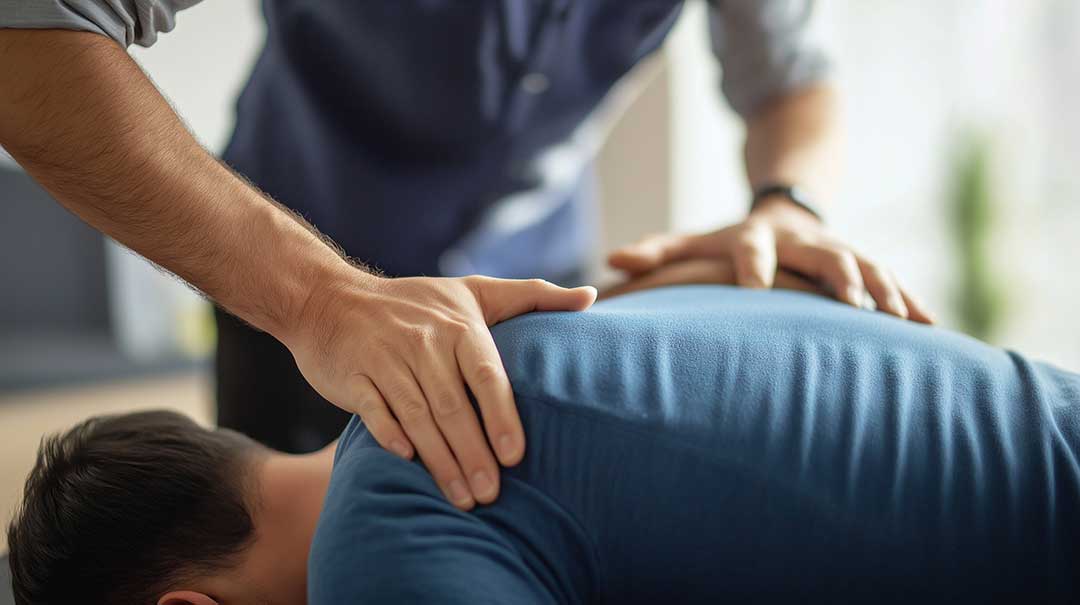
Back or neck pain accompanied by progressive numbness, weakness, or changes in coordination should not be treated as ordinary muscle soreness.
Pain that is severe, constant, worsening at night, or interfering with sleep and basic activities also deserves evaluation. The same is true for mild pain that continues for a week or more, repeatedly returns, or fails to improve after activity has been modified.
How can movement habits reveal the cause?
Small daily patterns often provide useful information. Note when the ache starts, what makes it better or worse, and whether it changes with sitting, standing, walking, lifting, or sleeping.
Examples include:
- Low-back discomfort after long periods of sitting may relate to reduced movement tolerance, positioning, or muscle fatigue.
- Shoulder pain during reaching may involve the joint, tendons, neck, or upper-back mechanics.
- Headaches associated with neck stiffness may be influenced by posture, stress, sleep position, or visual demands.
- Hip or knee discomfort that appears during stairs or walking may reflect changes in strength, mobility, joint loading, or prior injury.
This information can help a qualified healthcare professional distinguish between a temporary strain and a problem needing more detailed assessment. Chiropractic evaluation may be one part of care for certain muscle and joint complaints, while other symptoms may require a primary care clinician, physical therapist, orthopedic specialist, or urgent medical service.
What everyday habits help prevent recurring aches?
Prevention usually involves consistency rather than a single corrective exercise. Increase physical activity gradually, especially after a period of inactivity. Warm up before demanding tasks, use proper lifting technique, and alternate repetitive activities when possible.
During household work, avoid staying in one position for long periods. Break up computer or driving time with brief standing and walking intervals. Keep frequently used items within easy reach, and ask for assistance with heavy or awkward loads.
Seasonal tasks deserve particular caution. Snow shoveling, raking, gardening, and moving outdoor furniture can combine bending, twisting, and lifting. Work in shorter intervals, keep loads manageable, and stop if pain becomes sharp, spreads, or changes normal movement.
Sleep, nutrition, hydration, and strength also influence how well the body tolerates physical demands. A gradual program that includes walking, muscle strengthening, and balance activity can support function, particularly for adults managing joint stiffness or age-related changes.
How should residents decide what to do next?
The key question is not simply whether pain is present. Ask whether it is improving, whether movement is becoming easier, and whether the symptoms are changing normal activities.
A mild ache that steadily improves may only require temporary activity modification and observation. A recurring, worsening, or function-limiting symptom deserves a more careful assessment. Emergency warning signs require immediate medical attention.
Paying attention early does not mean assuming the worst. It means treating discomfort as useful information before compensation, inactivity, or repeated strain turns a manageable problem into a longer-lasting one.
