
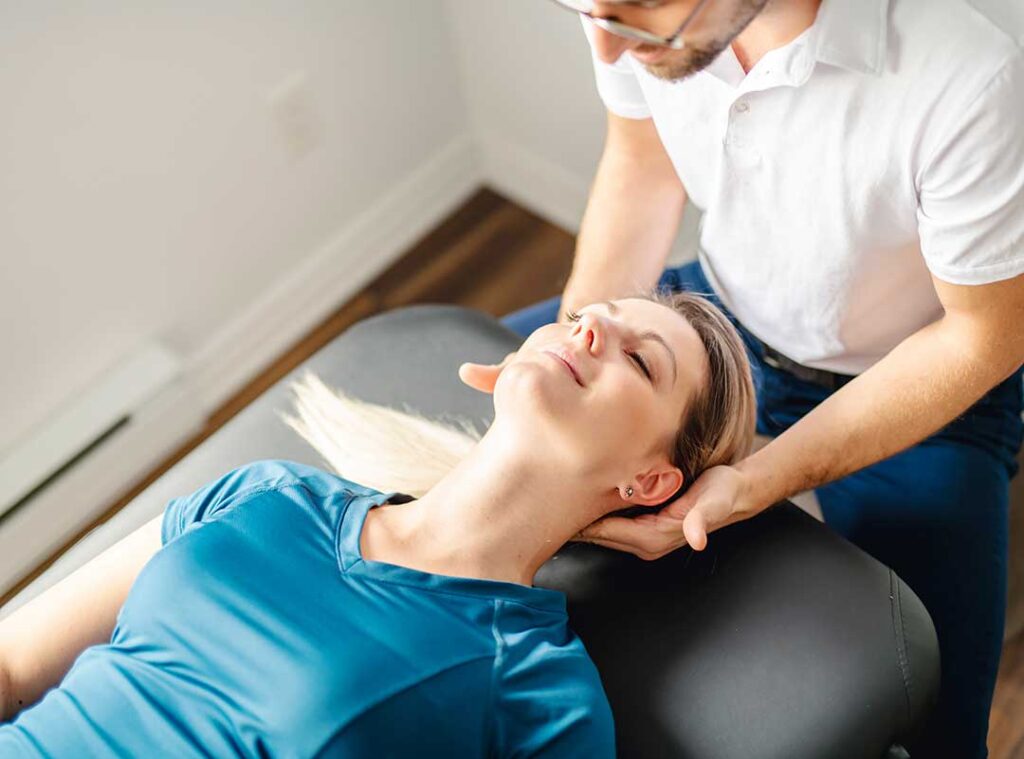
Regular spinal maintenance generally means using periodic evaluation, movement, exercise, and—when appropriate—hands-on care to support comfortable movement over time. It is not a promise that back or neck pain will never occur, and it should not be treated as a substitute for diagnosis when symptoms are new, severe, or worsening.
For residents of Lynbrook, daily activities such as commuting, desk work, household repairs, yardwork, and seasonal snow or ice responsibilities can place repeated demands on the spine. A maintenance approach focuses on identifying manageable problems early and preserving the ability to move, work, sleep, and participate in normal activities.
What does spinal maintenance actually involve?
Spinal maintenance is broader than repeated spinal adjustments. A sensible plan may include:
- Strengthening the muscles of the abdomen, hips, back, and legs
- Mobility exercises for the spine, hips, and shoulders
- Guidance on lifting, carrying, reaching, and prolonged sitting
- Periodic assessment of movement and function
- Manual therapy or spinal manipulation when clinically appropriate
- Practical changes to workstations, sleeping positions, or household routines
- A plan for responding to occasional flare-ups
The appropriate frequency varies. Some people benefit from short-term care during recovery from an episode of pain, while others primarily need an exercise and self-management plan. Regular visits are not automatically necessary for every person, and a useful plan should be based on symptoms, function, health history, and response to care.
Can regular care prevent back pain?
It may help reduce avoidable strain, but prevention is not guaranteed. Research supports spinal manipulation as one nondrug option that can provide modest improvements in pain and function for some people with acute or chronic low-back pain. Evidence is less certain for the idea that routine adjustments alone prevent future pain in otherwise symptom-free adults.
The strongest preventive foundation is usually consistent movement. Walking, resistance exercise, balance work, and mobility training help maintain the strength and coordination needed for everyday tasks. Gradually increasing activity is generally more useful than alternating between long periods of inactivity and occasional intense physical work.
Maintenance care may be most practical for people who notice recurring patterns, such as stiffness after long drives, discomfort following home projects, or repeated flare-ups during seasonal chores. The goal is to improve capacity and self-management rather than create dependence on a particular treatment.
What are the possible benefits?
The potential benefits depend on the person and the underlying problem. Regular attention to spinal health may help with:
Better movement
Stiffness in the back, neck, or hips can make routine tasks feel harder. Mobility exercises and carefully selected manual techniques may improve range of motion for some people, especially when discomfort is limiting normal activity.
Improved physical function
Function includes walking, standing, sleeping, lifting, working, and completing household tasks. Even a small reduction in pain can be meaningful if it allows a person to remain active and avoid prolonged rest.
Earlier recognition of problems
A pattern of worsening stiffness, reduced strength, or repeated pain may be easier to recognize when movement is assessed periodically. Early attention can encourage changes in lifting habits, exercise, footwear, workstation setup, or activity level before a minor issue becomes more disruptive.
Greater confidence with activity
People sometimes avoid movement because they fear making their spine worse. Clear guidance about safe, gradual activity can reduce unnecessary fear and support a return to normal routines. This does not mean pushing through sharp or escalating pain; it means learning how to increase activity in a controlled way.
Support during seasonal demands
Winter conditions can make walking surfaces unpredictable, while snow clearing, carrying supplies, and prolonged time indoors may change normal activity levels. In warmer months, gardening, home maintenance, recreational activity, and outdoor projects can create sudden physical demands. Preparing the body gradually is safer than expecting it to tolerate a large increase in workload without conditioning.
Does spinal maintenance mean getting adjusted on a fixed schedule?
No. A fixed schedule is not automatically appropriate. The value of care should be judged by measurable outcomes such as improved movement, reduced symptoms, better sleep, greater activity tolerance, or fewer limitations.
If a person feels no meaningful benefit, the plan should be reconsidered. This may involve changing the exercise program, addressing another contributing factor, seeking a different type of evaluation, or stopping a treatment that is not helping.
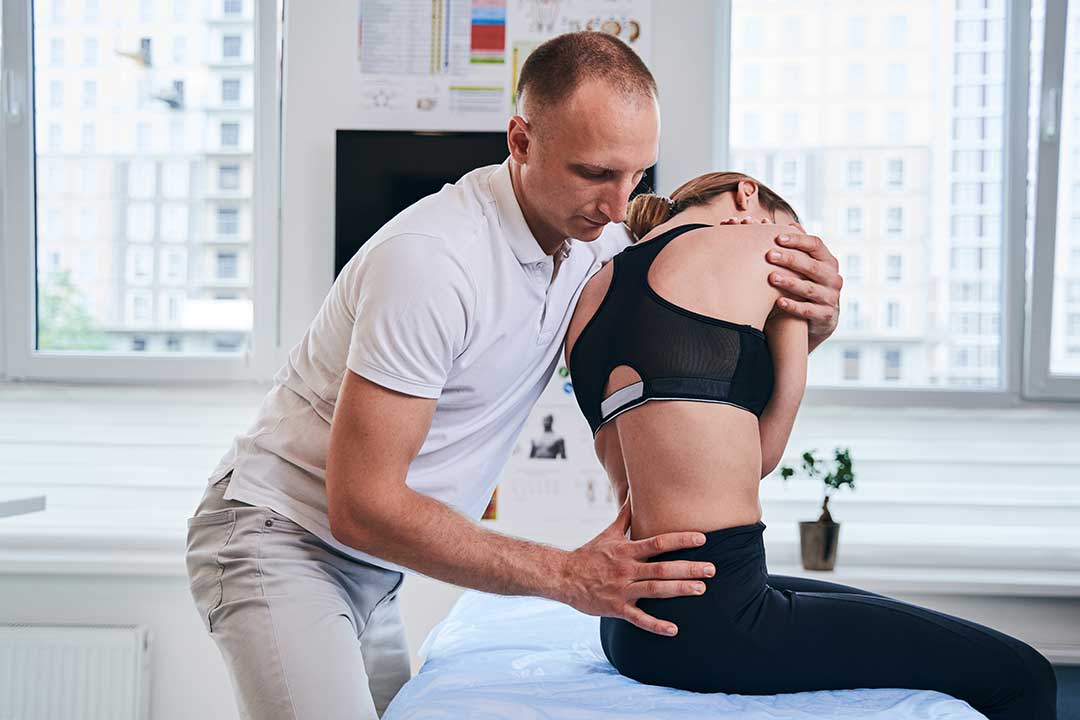
Spinal manipulation is also not the only conservative option. Exercise therapy, education, physical therapy, massage, mindfulness-based approaches, and gradual activity may be useful depending on the condition. Combining approaches is often more reasonable than relying on one technique for every problem.
What can residents do between visits?
Daily habits usually have a greater long-term influence than occasional treatment. Helpful steps include:
- Break up long periods of sitting with brief walks or position changes.
- Use a hip-width stance and keep loads close to the body when lifting.
- Avoid twisting while carrying something heavy; turn with the feet instead.
- Increase gardening, cleaning, or snow-related work in stages.
- Build leg and hip strength, not only back flexibility.
- Choose walking, cycling, water-based exercise, or other activities that can be performed consistently.
- Pay attention to sleep, stress, and recovery, which can affect pain sensitivity.
- Keep a simple record of activities that trigger symptoms and how quickly they settle.
A short daily routine is often easier to maintain than a demanding program performed only occasionally. The best exercise is one that is safe, appropriate for the person’s condition, and realistic enough to continue.
When should back or neck pain be evaluated promptly?
Some symptoms require more than routine maintenance. Prompt medical evaluation is appropriate for new pain after significant trauma, progressive weakness, loss of coordination, fever, unexplained weight loss, or a history of cancer or serious infection.
Urgent evaluation is especially important for new loss of bladder or bowel control, numbness in the groin or saddle region, or severe weakness in one or both legs. These symptoms can indicate a serious neurological problem.
People taking blood-thinning medication, living with osteoporosis, or managing inflammatory, neurological, or vascular conditions should disclose those conditions before manual treatment. Neck manipulation also requires careful screening because rare but serious complications have been reported. Temporary soreness, stiffness, or increased discomfort can occur after manipulation, but persistent or unusual symptoms should not be ignored.
How should the benefits be judged?
A maintenance plan is worthwhile when it supports practical goals. Useful measures include being able to walk farther, sit more comfortably, complete household tasks, sleep better, exercise consistently, or recover more quickly from ordinary physical demands.
Regular spinal care should be viewed as one part of musculoskeletal health—not as a guarantee against pain and not as a replacement for general medical care. For many residents, the most durable benefits come from combining informed movement, progressive strength, sensible workload management, and appropriate evaluation when symptoms change.
