
Maintaining a healthy spine is less about finding one perfect posture or exercise and more about building steady habits that support movement, strength, recovery, and safe body mechanics. For residents in Lynbrook, everyday activities such as commuting, desk work, household chores, gardening, and seasonal snow removal can all affect the back and neck.
What does a healthy spine need each day?
A healthy spine benefits from regular movement, adequate muscle support, good sleep, and sensible lifting habits. Long periods of inactivity can make the back feel stiff, while sudden increases in activity can overload muscles and joints.
Try to include several types of movement throughout the day:
- Walking at a comfortable pace
- Gentle mobility exercises for the hips, shoulders, and upper back
- Strength exercises for the legs, abdomen, hips, and back
- Balance activities, particularly for older adults
- Short movement breaks during desk work or long rides
The goal is not to avoid all bending, lifting, or twisting. The spine is designed to move. Problems are more likely when a demanding movement is repeated often, performed while fatigued, or combined with poor control and excessive weight.
How can posture be improved without sitting rigidly?
Good posture does not mean holding the body stiffly all day. A more useful goal is a neutral, supported position that can be changed regularly.
While sitting, keep both feet supported when possible, allow the knees and hips to remain comfortable, and avoid sliding forward into a rounded position. A small cushion or rolled towel behind the lower back may improve support. Screens should be positioned so the head does not remain bent downward for long periods.
For people working at home or using a laptop, the setup may need adjustment throughout the day. A separate keyboard, raised screen, or properly supported chair can reduce prolonged neck and shoulder strain. Even a well-designed workstation cannot replace movement, so stand, walk, or change position every 30 to 60 minutes.
Standing posture also benefits from variety. Keep the head generally over the shoulders, the shoulders relaxed, and the weight distributed between both feet. Avoid locking the knees or leaning into one hip for extended periods.
What is the safest way to lift household items?
Lifting is safer when the load is kept close to the body and the movement is planned before it begins. This matters during grocery carrying, laundry, moving storage bins, yardwork, and seasonal chores.
A practical lifting sequence is:
- Check the path before picking up the object.
- Move close to the load rather than reaching from a distance.
- Bend through the hips and knees while keeping the spine in a comfortable position.
- Tighten the abdominal muscles gently without holding the breath.
- Lift with the legs and keep the object near the waist.
- Turn by moving the feet instead of twisting the torso.
- Divide heavy loads into smaller portions when possible.
Snow removal deserves extra caution because it combines lifting, bending, twisting, cold muscles, and sometimes slippery ground. Warm up with several minutes of easy movement, use manageable amounts of snow, push rather than lift when conditions allow, and avoid sudden twisting while holding a loaded shovel. Footwear with reliable traction can also reduce the risk of a fall.
Which exercises help support the spine?
No single exercise is right for everyone, especially during an active injury. In general, the spine benefits from a combination of aerobic activity, strength training, flexibility, and balance work.
Walking is a practical starting point because it is easy to adjust for pace and duration. Strength exercises may include supported squats, hip bridges, rows, wall push-ups, and controlled abdominal exercises. The emphasis should be on smooth movement rather than lifting the heaviest possible weight.
Gentle mobility work can help counter the stiffness associated with desk work or long periods in a car. Useful areas often include the hips, chest, upper back, and hamstrings. Stretching should create mild tension, not sharp pain, numbness, or an electric sensation.
Begin gradually after a period of inactivity. A short routine performed consistently is generally more useful than an intense workout followed by several days of soreness. Anyone with osteoporosis, a recent injury, significant nerve symptoms, or a medical condition affecting balance should get individualized exercise guidance before increasing activity.
How do sleep and daily recovery affect the back?

Sleep gives muscles and joints time to recover, and an uncomfortable sleep position can contribute to morning stiffness. A side-lying position with a pillow between the knees may reduce strain for some people. Others may feel more comfortable on the back with support beneath the knees.
There is no universally correct mattress firmness or sleeping position. Comfort, support, and the ability to change positions matter more than a particular product type. If back discomfort is consistently worse after sleeping, consider whether the pillow height, mattress condition, or sleeping position is contributing.
Recovery also includes pacing. Avoid doing several demanding chores at once after being inactive. For example, a long day of gardening followed by heavy lifting and extended cleaning may be more stressful than spreading those tasks across several days.
Can body weight, smoking, and nutrition affect spinal health?
Overall health influences how well the body handles physical stress. A balanced eating pattern that includes adequate protein, calcium, vitamin D, fruits, vegetables, and whole grains supports bones and muscles. Maintaining a weight that is healthy for the individual may reduce added strain on the back, although weight is only one factor among many.
Smoking can impair circulation and is associated with poorer healing and several musculoskeletal problems. Reducing or stopping tobacco use can support broader spine and body health.
Hydration does not prevent every episode of back pain, but regular fluid intake supports normal body function during activity. It is also sensible to warm up before strenuous exercise and to avoid increasing workout intensity too quickly.
When should back or neck symptoms be evaluated?
Many mild episodes of back discomfort improve with continued gentle activity, rest from aggravating tasks, and gradual return to normal movement. Persistent or worsening symptoms deserve medical attention.
Prompt evaluation is especially important when pain follows a fall or other injury, or when it occurs with:
- New weakness in an arm or leg
- Numbness or tingling that persists or spreads
- Trouble walking or maintaining balance
- Loss of bladder or bowel control
- Fever, unexplained weight loss, or unusual fatigue
- Severe pain that does not improve with reasonable self-care
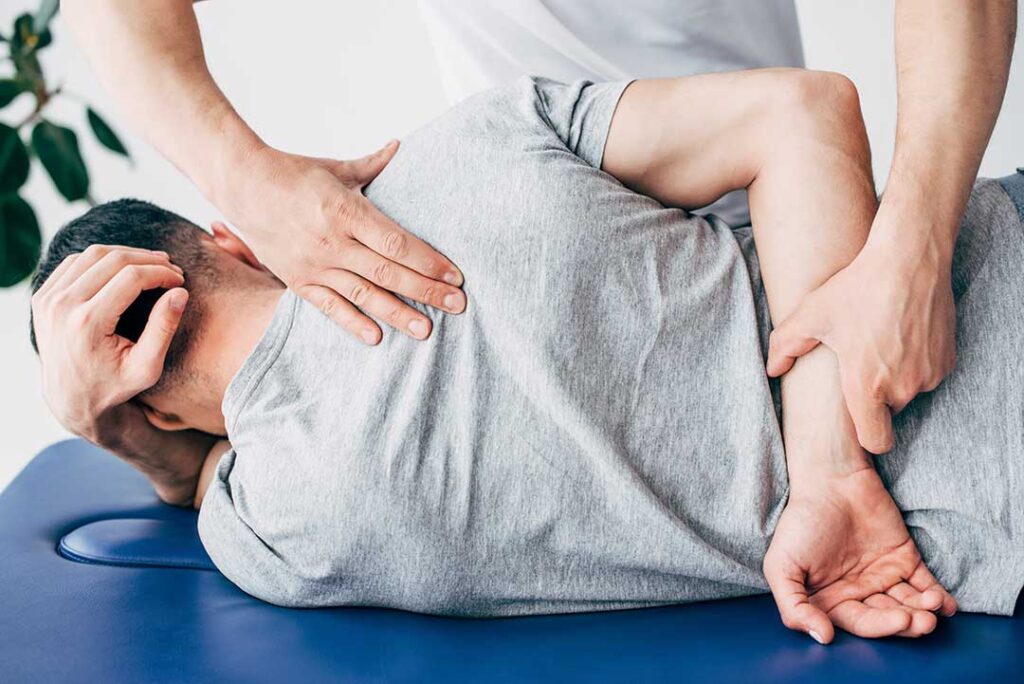
A chiropractor may be one part of a broader care team for some musculoskeletal concerns, but spinal manipulation is not appropriate for every condition. The cause of symptoms, medical history, medications, age, and warning signs should guide the choice of care. The most useful approach is one that supports safe movement and recognizes when a different type of medical evaluation is needed.
What is a realistic daily spine-care routine?
A simple routine might include a brief morning mobility session, regular walking, movement breaks during sitting, careful lifting, and a few strength exercises two or more times per week. During colder months, allow extra time to warm up before outdoor chores. During warmer months, pace yardwork and take breaks before fatigue changes lifting technique.
Healthy spine habits are practical, repeatable choices: move regularly, build strength gradually, use help with loads that are too heavy, and respond early to symptoms that do not follow a normal pattern.
