

What does “texting thumb” usually mean?
Texting thumb is a common name for thumb or wrist pain linked to repeated swiping, tapping, gripping, and scrolling on a phone. It is not a single diagnosis. Symptoms may come from irritated tendons, joint strain, nerve irritation, or an existing hand condition that phone use makes more noticeable.
Pain often develops gradually near the base of the thumb or along the thumb side of the wrist. Some people notice aching after a long texting session, while others feel sharp pain when opening a jar, lifting a bag, fastening clothing, or turning a doorknob.
A frequent cause is irritation of the tendons that move the thumb. This pattern is sometimes associated with de Quervain tenosynovitis, but similar symptoms can occur with arthritis, trigger thumb, or nerve compression. The location and behavior of the pain matter more than the nickname.
What are the usual symptoms?
Texting-related thumb strain may cause:
- Aching, burning, or tenderness at the base of the thumb
- Pain along the thumb side of the wrist
- Swelling or a feeling of tightness
- Clicking, catching, or stiffness when moving the thumb
- Weakness when gripping or pinching
- Pain that increases with swiping, typing, or holding a phone
- Numbness or tingling, which may suggest nerve involvement rather than simple tendon irritation
Pain that is severe, sudden, associated with an injury, or accompanied by major swelling should not be treated as ordinary overuse.
How can phone habits be changed?
Reducing repeated thumb motion is usually more helpful than simply trying to push through discomfort. The goal is to lower the amount of force and repetition while keeping the hand in a relaxed position.
Try these adjustments:
- Hold the phone with both hands and type with both thumbs or with an index finger.
- Use voice-to-text for longer messages.
- Alternate hands instead of using the same thumb for every task.
- Rest the phone on a table, pillow, or stand during extended reading.
- Enlarge text so the device can be held farther away and with less gripping force.
- Avoid tightly wrapping the thumb around the phone.
- Use the whole hand to support the device rather than balancing it on the little finger.
- Take brief breaks before pain becomes noticeable.
For residents balancing commuting, desk work, household tasks, and winter activities, phone use may be only one part of the total hand workload. Lifting grocery bags, carrying children, shoveling, cooking, and repetitive computer work can add stress to the same tendons. Consider the entire day rather than blaming one texting session.
Should the thumb be stretched or rested?
Early irritation generally responds better to relative rest than to forceful stretching. Stop or reduce movements that clearly increase pain for several days, but avoid keeping the hand completely motionless unless a clinician recommends it.
Gentle movements can help prevent stiffness:
1. Relax the hand with the palm facing upward.
2. Slowly move the thumb away from the fingers.
3. Return it to a comfortable position.
4. Repeat several times without forcing the range.
Another option is to place the hand flat on a table and gently move the thumb away from the fingers. Stop if the movement causes sharp pain, increased swelling, numbness, or lingering discomfort.
Do not repeatedly perform painful tests to “check” the tendon. A painful stretch is not necessarily a productive stretch.
Can ice, heat, or a splint help?
Cold may reduce soreness after an activity flare. Wrap a cold pack in cloth and apply it for about 15 to 20 minutes, allowing the skin to return to normal temperature afterward. Do not place ice directly against the skin.
Gentle warmth may feel better before light movement, particularly if the thumb and wrist feel stiff. Heat is less appropriate if the area is freshly injured, visibly swollen, or hot to the touch.
A thumb-supporting wrist splint can limit aggravating movements, especially during sleep or activities that repeatedly bend the thumb. It should fit comfortably and should not cause numbness, color changes, increased pain, or pressure over the wrist. A splint is not a substitute for identifying the activity that is causing the irritation.
Over-the-counter pain medicines may help some adults, but they are not appropriate for everyone. People with a history of stomach bleeding, kidney disease, certain heart conditions, uncontrolled blood pressure, medication interactions, pregnancy, or other medical concerns should check with a qualified healthcare professional before using anti-inflammatory medicine.
How long does texting thumb take to improve?
Mild irritation may begin settling within several days after the aggravating activity is reduced. More established tendon problems can take several weeks or longer, particularly if the thumb continues to receive heavy repetitive use.
Improvement should be measured by function, not just by whether the pain disappears temporarily. If texting hurts less but gripping, lifting, or opening containers remains difficult, the hand may still need more recovery time.
Returning immediately to the same amount of scrolling after one comfortable day can cause symptoms to return. Increase activity gradually and keep using breaks, hand-position changes, and alternate fingers.
When should someone seek medical evaluation?
A medical assessment is appropriate if pain persists despite reducing phone use, repeatedly returns, or interferes with sleep, work, driving, or ordinary household tasks. Evaluation is also sensible when there is swelling, clicking, weakness, limited motion, or pain extending into the forearm.
Prompt attention is warranted after a fall or direct blow, or when the thumb looks deformed. Seek timely care for increasing redness or warmth, fever, severe swelling, loss of feeling, or a thumb that cannot move normally.
Numbness and tingling deserve particular attention because they can reflect nerve irritation rather than tendon strain. Persistent weakness, dropping objects, or symptoms that spread into the hand or arm should not be assumed to be caused by texting alone.
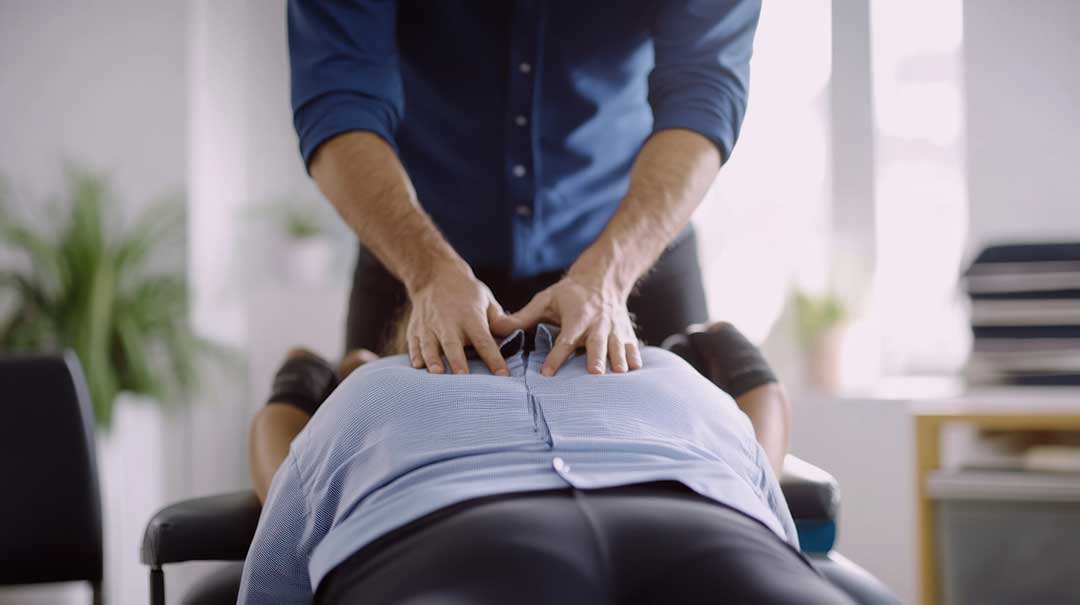
A chiropractor, physical therapist, primary care clinician, or hand-focused medical provider may assess the wrist, thumb, forearm, posture, and activity patterns. The appropriate professional depends on the symptoms and whether an injury, nerve problem, arthritis, or tendon condition is suspected.
What prevention habits are realistic?
Prevention does not require giving up phone use. It usually involves reducing long, uninterrupted periods of thumb-dominant activity.
Useful habits include:
- Change hand position every few minutes.
- Use voice input for lengthy messages.
- Keep wrists relaxed rather than bent sharply.
- Avoid gripping the phone tightly while walking or standing.
- Build short screen breaks into evening scrolling.
- Pay attention to discomfort during seasonal tasks such as carrying wet equipment, opening stiff windows, or doing outdoor cleanup.
- Address pain early instead of waiting for weakness or swelling.
The most useful warning sign is a pattern: discomfort that appears repeatedly after the same motion. Treat that pattern as feedback to change the task, reduce the load, and allow recovery before the irritation becomes harder to manage.
