
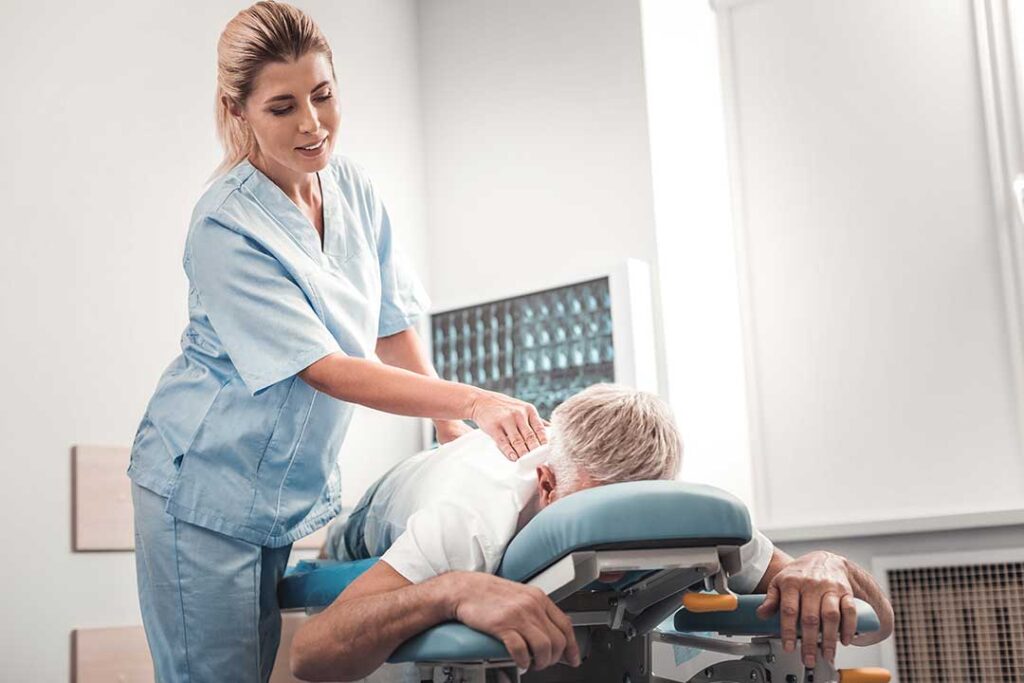
Can chiropractic care help with migraines?
Sometimes, but the evidence is limited and chiropractic care should be viewed as a possible complementary option rather than a proven cure. Some people with migraine report fewer headache days, less neck tension, or reduced disability after manual therapy, exercise, or posture-focused care. Research findings, however, are mixed, and spinal manipulation has not been shown to work consistently for everyone.
Migraine is a neurological condition, not simply a problem caused by “misaligned” bones. Symptoms may include throbbing or pulsing pain, nausea, vomiting, and sensitivity to light or sound. Some people experience visual changes, tingling, speech difficulty, or other warning symptoms called an aura.
Chiropractic care may be more relevant when neck pain, muscle tightness, limited movement, or prolonged sitting appear to worsen an existing migraine pattern. It does not replace a medical evaluation or established migraine treatment.
Why might neck treatment affect migraine symptoms?
The muscles and joints of the neck can contribute to pain around the head, temples, forehead, and behind the eyes. Poor sleep position, prolonged computer use, jaw clenching, stress, and repetitive phone use may increase neck tension. These factors can overlap with migraine triggers without being the underlying cause of migraine itself.
A careful, conservative approach might include:
- Gentle neck or upper-back mobilization
- Soft-tissue techniques
- Exercises to improve neck and shoulder strength
- Posture and workstation guidance
- Breathing or relaxation strategies
- Advice about activity, sleep, and movement habits
The goal is generally to reduce musculoskeletal strain and improve function. This may help some people manage triggers or associated neck discomfort, but it should not be presented as a way to correct the brain mechanisms involved in migraine.
Is spinal manipulation effective for migraine?
The research suggests that spinal manipulation may reduce migraine frequency or intensity for some patients, but the evidence remains preliminary. Studies have often involved small groups, different treatment methods, and varying definitions of improvement. That makes it difficult to predict who will benefit.
Evidence is somewhat stronger for headaches that originate primarily from the neck, often called cervicogenic headaches. These headaches are different from migraine, although one person can experience both. Cervicogenic headaches are more likely to involve restricted neck movement, pain that begins in the neck, and symptoms that worsen with certain neck positions.
A person with recurrent migraine should therefore receive an accurate headache diagnosis before assuming that the neck is the main source of the problem.
Is neck adjustment safe for people with migraine?
Neck manipulation can cause temporary soreness, stiffness, fatigue, dizziness, or a short-term increase in headache symptoms. Serious complications are rare, but sudden or forceful neck movements have been associated with cervical artery dissection, a tear in a blood-vessel wall that can lead to stroke. Researchers continue to debate how often manipulation directly causes this problem, but the potential risk should not be ignored.
Extra caution is appropriate for people with:
- A history of stroke or blood-vessel disorders
- Recent neck injury or whiplash
- Unexplained dizziness, fainting, or neurological symptoms
- Connective-tissue disorders
- Bleeding disorders or use of blood-thinning medication
- Severe or unusual neck pain
- Recent surgery
- Pregnancy or other medical conditions requiring modified care
A thorough health history should come before any neck manipulation. A patient should also be able to decline high-velocity techniques and ask whether gentler methods, exercise, or education could be used instead.
What should residents track before trying complementary care?
A headache diary can make treatment decisions more practical. Record:
- The date and duration of each attack
- Pain location and severity
- Nausea, aura, light sensitivity, or sound sensitivity
- Neck pain or jaw tension
- Sleep quality
- Meals, hydration, caffeine, alcohol, and exercise
- Weather changes, bright light, and strong odors
- Medications taken and whether they helped

Seasonal conditions can be relevant for local households. Changes in temperature, humidity, storms, indoor heating, and spring or fall allergies may coincide with symptoms for some people. The pattern matters more than any single suspected trigger.
The diary can also show whether treatment is helping. Useful measures include the number of migraine days per month, missed work or school, reliance on rescue medication, and the ability to perform normal activities.
Should chiropractic care replace migraine medication?
No. Chiropractic care should not replace prescribed preventive medication, acute treatment, or evaluation by a physician or headache specialist. Some people need medication to stop an attack, while others benefit from preventive treatment when headaches are frequent, disabling, or difficult to control.
Medication overuse can itself contribute to more frequent headaches. People who regularly rely on over-the-counter pain relievers or migraine medication should discuss the pattern with a medical provider rather than abruptly changing treatment without guidance.
Complementary care may fit into a broader plan that also includes regular sleep, consistent meals, hydration, exercise suited to the individual, stress management, and attention to vision or jaw-related problems when relevant.
When does a headache require urgent medical attention?
Immediate medical evaluation is appropriate for a sudden, severe headache that reaches maximum intensity quickly, especially if it feels unlike previous headaches. Urgent care is also warranted when headache occurs with:
- Weakness, numbness, confusion, fainting, or trouble speaking
- New vision loss or persistent double vision
- Fever, stiff neck, or a widespread rash
- Repeated vomiting or inability to keep fluids down
- A recent head injury
- New symptoms during pregnancy or after childbirth
- A new headache after age 50
- A major change in an established headache pattern
A headache that begins after neck manipulation, especially with severe neck pain, dizziness, imbalance, or neurological symptoms, should be treated as an emergency.
What is a reasonable expectation?
The most realistic expectation is that conservative chiropractic approaches may help selected people with neck-related contributors to migraine, but results vary. Improvement should be measured by fewer migraine days, lower disability, better neck movement, or less need for rescue medication—not simply by temporary relief immediately after treatment.
For residents in Lynbrook, keeping a written symptom record and coordinating care across appropriate health professionals can help distinguish migraine from neck-generated headache and identify treatments that are both useful and safe.
