
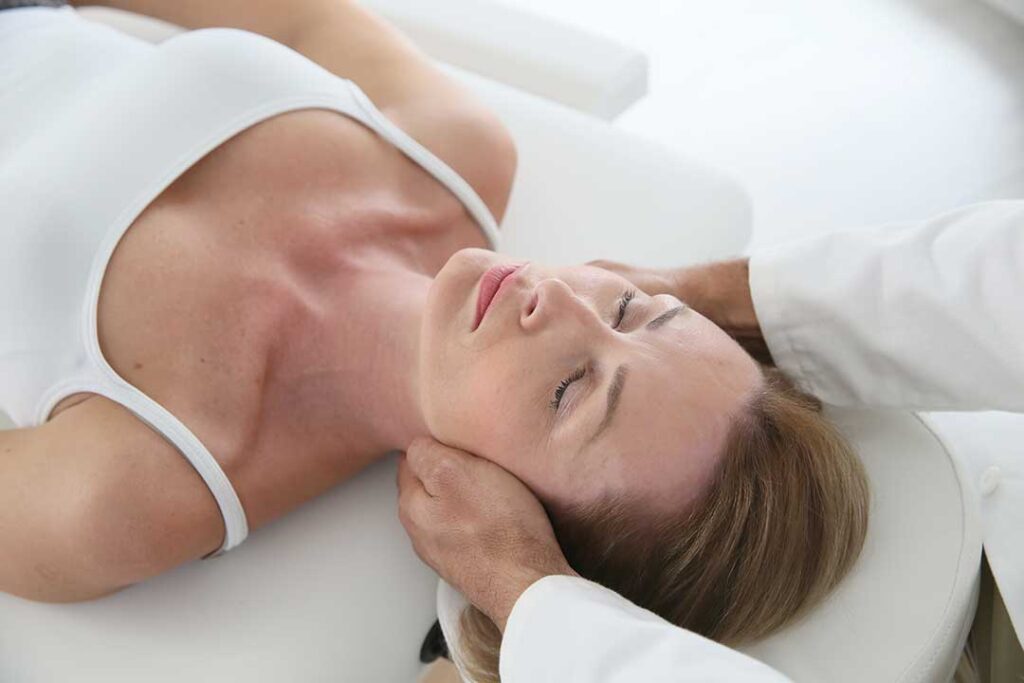
Poor posture can contribute to muscle fatigue, joint stress, reduced mobility, and discomfort in the neck, shoulders, back, and hips. It does not explain every case of pain, and there is no single “perfect” posture that suits everyone. Health is generally better supported by changing positions regularly, staying active, and arranging daily tasks so the body is not held in strained positions for long periods.
What does poor posture do to the body?
Poor posture usually becomes a problem when an awkward position is repeated or maintained for too long. Slouching on a couch, leaning toward a laptop, looking down at a phone, or standing with most of the weight on one leg can all increase the workload placed on certain muscles and joints.
The body may respond by:
- Tightening muscles in the neck, chest, lower back, or hips
- Overworking smaller stabilizing muscles
- Reducing the natural movement of the spine and joints
- Increasing fatigue during sitting, standing, or walking
- Making ordinary movements feel stiff or uncomfortable
A posture that feels harmless for a few minutes may become tiring after several hours. This is particularly relevant for residents who work from home, commute, study at a desk, or spend long winter and summer periods indoors using screens.
Can poor posture cause neck, shoulder, or back pain?
It can contribute to pain, but posture is only one possible factor. Pain may also involve an injury, arthritis, nerve irritation, muscle weakness, sleep problems, stress, or an underlying medical condition.
Forward-head posture is common during computer use and phone viewing. The head gradually moves in front of the shoulders, requiring the neck and upper-back muscles to work continuously. This may lead to:
- Neck soreness or stiffness
- Tension across the shoulders
- Headaches related to muscle tension
- Aching between the shoulder blades
- Reduced comfort when turning the head
A rounded seated position can also place more demand on the upper back and lower back. The issue is often not one brief period of slouching, but the combination of limited movement, poor workstation setup, and insufficient strength or endurance.
Does posture affect breathing and digestion?
A collapsed seated position can restrict how freely the ribs and diaphragm move. Some people may notice that deep breathing feels less comfortable when they are hunched forward, although breathing problems should never be assumed to result from posture alone.
Slumped positioning may also compress the abdomen and make digestion feel less comfortable after eating. This does not mean posture causes digestive disease. Persistent heartburn, abdominal pain, difficulty swallowing, or unexplained changes in digestion require medical evaluation rather than posture correction alone.
Can poor posture affect balance and movement?
Posture influences how the body distributes weight over the feet and how the eyes, inner ear, joints, and muscles work together. Stiffness in the ankles, hips, spine, or shoulders may make balance and coordinated movement more difficult.
Older adults may be especially affected by reduced strength, slower reactions, vision changes, or joint conditions. A forward-leaning posture can be one part of a larger mobility problem, but it should not be treated as the sole explanation for falls or unsteadiness.
A noticeable decline in balance, repeated falls, new weakness, or difficulty walking deserves timely medical attention.
Is sitting the problem, or is staying still the problem?
Sitting itself is not automatically harmful. The greater concern is remaining in one position for long periods without changing position or moving the joints.
A useful approach is to make sitting more adjustable:
- Keep both feet supported when possible.
- Position the screen near eye level rather than bending the neck downward.
- Let the shoulders relax instead of pulling them rigidly backward.
- Keep frequently used items within easy reach.
- Use a chair that supports the lower back without forcing an exaggerated arch.
- Stand, walk, or stretch briefly throughout the day.
There is no need to hold the body stiffly upright. Comfortable movement and regular position changes are usually more sustainable than trying to maintain a rigid “ideal” posture.
How can households improve posture at home?
Home environments often create posture problems because furniture must serve several purposes. A dining table may become a workstation, a couch may become a study area, and a laptop may be used from a bed or kitchen counter.
Simple adjustments can reduce strain:
- Raise a laptop with a stable support and use a separate keyboard if working for long periods.
- Place reading material closer to eye level.
- Avoid routinely working from a soft couch that causes the pelvis and spine to sink backward.
- Use adequate lighting so the head does not drift forward to see clearly.
- Alternate sitting, standing, walking, and household tasks.
- Carry bags evenly rather than always loading one shoulder.
- Keep frequently used kitchen or storage items at a height that limits repeated bending or reaching.
Seasonal habits can matter as well. During colder months, people may sit indoors for longer periods, layer clothing that restricts movement, or tense the shoulders against the cold. Warm clothing, regular walking, and brief mobility breaks can help prevent stiffness from accumulating.
What exercises support healthier posture?
Posture is influenced by strength, flexibility, coordination, and endurance. Activities that build general fitness are often more useful than exercises focused only on “standing straight.”
Helpful options may include:
- Walking at a comfortable pace
- Strengthening the abdomen, hips, upper back, and legs
- Gentle mobility exercises for the chest, hips, and upper back
- Yoga, tai chi, or other activities that develop body awareness
- Frequent practice of movements needed for daily life, such as reaching, lifting, and turning
Exercises should be adjusted to a person’s age, health history, and current symptoms. Pain that steadily worsens during an exercise is a reason to stop and reassess rather than push through it.
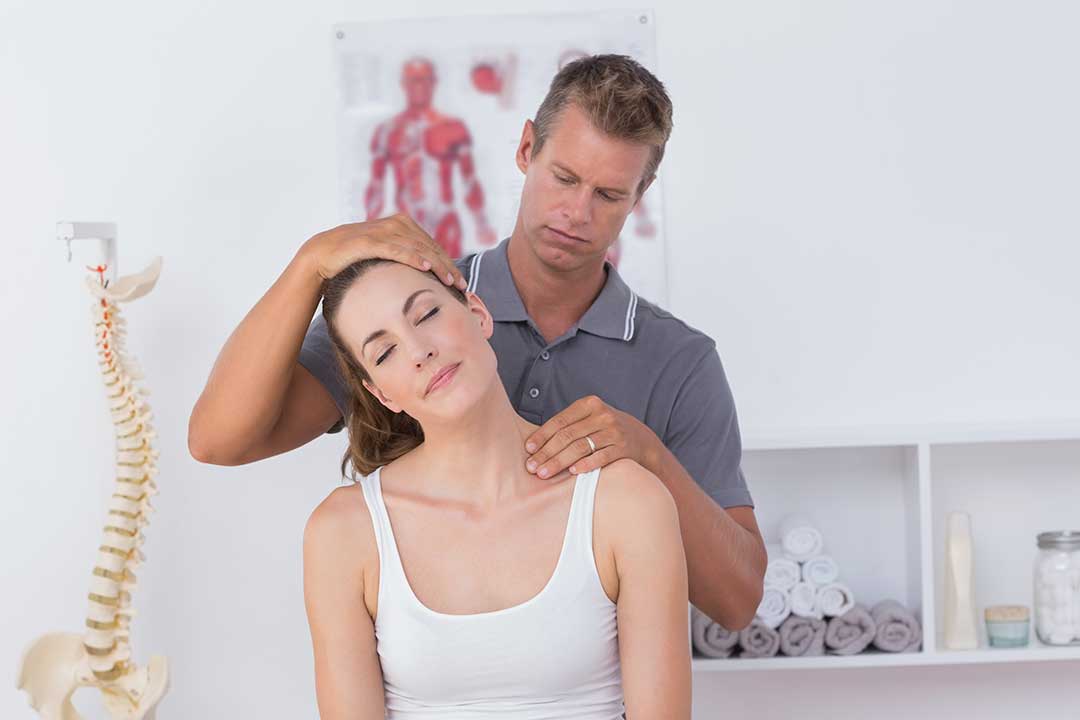
A chiropractor may evaluate movement, joint function, muscle balance, and daily habits as part of a broader musculoskeletal assessment. That type of evaluation should complement, not replace, medical care when symptoms suggest a non-musculoskeletal condition.
When should posture-related pain be evaluated?
Mild stiffness after a long day often improves with movement, rest, and changes to the activity that triggered it. Evaluation becomes more important when pain:
- Persists for several weeks
- Repeatedly returns or interferes with sleep
- Limits work, walking, lifting, or household activities
- Travels into an arm or leg
- Occurs with numbness, tingling, or weakness
- Follows a significant fall or other injury
Urgent medical attention is appropriate for back pain accompanied by loss of bladder or bowel control, numbness around the inner thighs or groin, severe weakness, fever, unexplained weight loss, or sudden severe pain.
The practical goal is not to maintain one flawless position all day. A healthier strategy is to build a daily pattern that includes movement, varied positions, suitable work surfaces, adequate strength, and attention to symptoms that do not resolve.
