
Knee pain can often be improved without medication, especially when it is related to mild arthritis, overuse, muscle weakness, stiffness, or a recent strain. The most helpful approach usually combines temporary activity changes, gentle movement, strengthening, supportive habits, and attention to warning signs.
Knee pain has many possible causes, so self-care is most appropriate for mild or gradually developing symptoms. Sudden severe pain, major swelling, instability, or an inability to bear weight requires prompt medical evaluation.
What can cause knee pain?
Knee discomfort may come from several structures, including muscles, tendons, ligaments, cartilage, or the joint lining. Common causes include osteoarthritis, kneecap-related pain, tendon irritation, bursitis, sprains, meniscus injuries, and pain referred from the hip or lower back.
Daily habits can also contribute. Repeated stair climbing, kneeling, squatting, lifting, running on hard surfaces, or long periods of standing may aggravate symptoms. In Lynbrook, NY, seasonal changes may affect routines as residents shift between outdoor walking, gardening, cycling, indoor exercise, and winter activities. A sudden increase in activity after a less active period can place extra stress on the knees.
The location and behavior of the pain provide useful clues:
- Pain behind or around the kneecap may worsen with stairs, squats, or prolonged sitting.
- Pain along the inner or outer joint line may follow a twist or impact.
- Pain below the kneecap may involve a tendon.
- Stiffness that is worse after rest may occur with arthritis.
- A knee that locks, gives way, or repeatedly swells deserves careful evaluation.
Should activity be stopped completely?
Usually, no. Complete rest may reduce discomfort briefly, but prolonged inactivity can weaken the muscles that help support the knee. A better strategy is to reduce painful activities temporarily while continuing comfortable movement.
For example, a person who develops pain during long walks might switch to shorter, level walks, gentle cycling, or water-based exercise. Someone who spends much of the day kneeling may use a padded surface, alternate tasks, and take regular standing or walking breaks.
A useful guideline is to keep activity within a tolerable range. Mild stiffness or muscle fatigue can occur when beginning a new routine, but sharp, worsening, or persistent joint pain is a signal to reduce the intensity or change the exercise.
Which exercises can help?
Strengthening the muscles around the hips and thighs can reduce the workload placed on the knee. Flexibility and range-of-motion exercises can also help counter stiffness. Exercises should be performed slowly and without forcing the joint.
Gentle options may include:
- Heel slides: Lie down or sit with the leg supported. Slowly slide the heel toward the body, then straighten the leg.
- Thigh tightening: With the leg straight, gently tighten the front thigh muscle and hold for several seconds.
- Straight-leg raises: While lying down, tighten the thigh and slowly raise the straight leg a short distance.
- Supported sit-to-stands: Rise from a firm chair and sit back down while keeping the knees aligned with the feet.
- Calf and hamstring stretches: Stretch gently without bouncing or pushing into pain.
- Hip strengthening: Side leg raises or controlled bridges may help improve lower-limb support.
Begin with a small number of repetitions and allow recovery between sessions. A five- to ten-minute warm-up, such as easy walking or stationary cycling, can prepare the muscles. If an exercise causes sharp pain, significant swelling, limping, or symptoms that last well after the session, stop that movement.
Can heat or cold reduce discomfort?
Both may help, but they are useful in different situations. Cold can temporarily numb pain and may reduce swelling after a flare-up, minor injury, or unusually demanding activity. Use a cold pack wrapped in cloth for about 15 to 20 minutes rather than placing ice directly on the skin.
Heat may be more comfortable for stiffness, particularly before gentle movement. A warm shower or heating pad can help relax surrounding muscles. Heat should not be used over a visibly hot, red, or acutely swollen joint.
These methods provide symptom relief but do not identify the underlying cause. Repeated swelling or ongoing pain should not be managed indefinitely with heat or cold alone.
How do body weight and footwear affect knee stress?
The knees absorb force during walking, stairs, and standing. If a person has excess body weight, gradual weight reduction may decrease pressure on the knees and improve mobility. The goal should be steady, sustainable changes rather than a restrictive short-term plan.
Comfortable, supportive footwear may also help. Shoes should fit securely and provide enough cushioning for regular walking. Worn soles, poor fit, or footwear that changes the way the foot contacts the ground may contribute to discomfort. Inserts or braces should be selected carefully, since the wrong support can alter movement in unhelpful ways.
At home, reducing repeated deep squats, prolonged kneeling, and unnecessary trips up and down stairs may make symptoms easier to manage. Frequently used items can be stored between waist and shoulder height to limit repeated bending.
What role can chiropractic and movement-based care play?
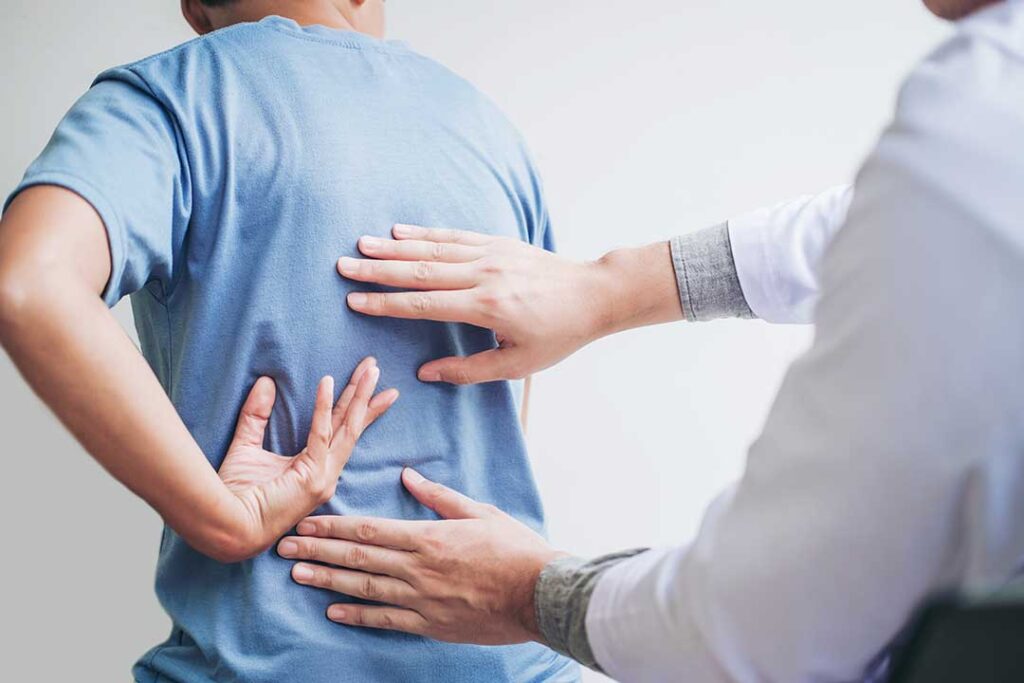
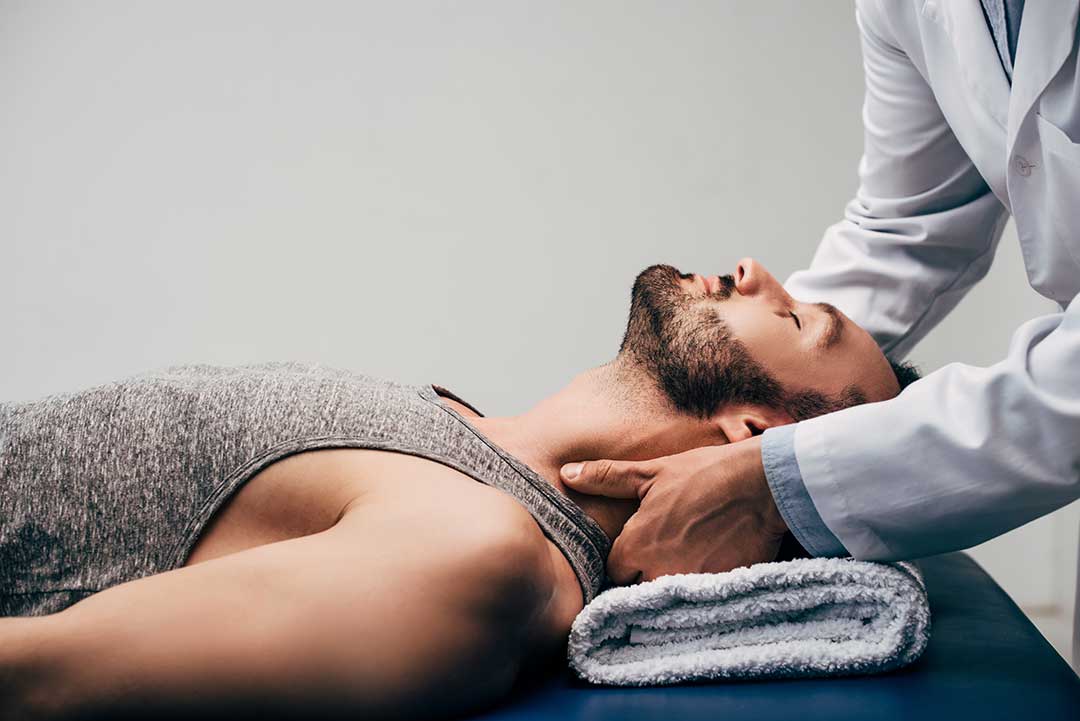
A chiropractor may assess movement throughout the lower back, pelvis, hip, and leg because changes in these areas can influence how force travels through the knee. Education about posture, activity modification, mobility, and strengthening may be included.
However, knee pain is not always caused by spinal or joint alignment. A torn ligament, infection, fracture, advanced arthritis, or inflammatory condition requires appropriate medical assessment. Chiropractic care should not replace evaluation when symptoms are severe, unusual, or rapidly worsening.
A movement-focused assessment may be useful when pain keeps returning, affects walking, or does not improve after reasonable home care. The most appropriate plan depends on the cause, age, health history, prior injuries, and activity goals.
When should knee pain be evaluated promptly?
Seek prompt medical attention for:
- Inability to bear weight or fully move the knee
- A knee that looks deformed after an injury
- Sudden, substantial swelling
- Redness, warmth, fever, or feeling acutely ill
- Repeated giving way or locking
- Severe pain after a fall, twist, or impact
- Numbness, unusual weakness, or color changes in the leg
- Pain that steadily worsens or interferes with sleep
For less urgent symptoms, evaluation is reasonable when pain continues for several weeks, repeatedly returns, or limits work, exercise, stairs, or ordinary household activities. Keeping a brief record of triggers, swelling, stiffness, and activity levels can help clarify patterns.
A practical starting plan
For mild knee pain, a reasonable first step is to reduce aggravating activities for several days without becoming completely inactive. Use comfortable, low-impact movement, apply cold for recent swelling or heat for stiffness, and begin gentle thigh, hip, and range-of-motion exercises.
Increase activity gradually rather than making a large change in one day. In a dense residential community such as Lynbrook, short walks broken into manageable intervals may be easier to maintain than a single long outing. The best routine is one that can be repeated consistently without causing escalating pain.
