
Pregnancy can change posture, balance, muscle strength, and the way the pelvis moves. These changes commonly lead to aching in the lower back, hips, or pelvis, especially after standing, walking, household tasks, or a long day of sitting.
Most pregnancy-related back pain can be managed with gentle movement, improved support, and careful attention to warning signs. The safest approach depends on the stage of pregnancy, overall health, and whether symptoms suggest something other than ordinary muscle strain.
Why does pregnancy cause back pain?
Pregnancy back pain often develops because the growing uterus shifts the body’s center of gravity forward. The abdominal muscles stretch and may provide less support to the spine, while pregnancy hormones loosen ligaments around the pelvis. Added weight and changes in walking posture can further increase stress on the lower back.
Pain may feel dull, tight, sore, or occasionally sharp with certain movements. It can be worse after standing for long periods, climbing stairs, lifting, or turning in bed. In a compact community such as Lynbrook, daily routines may involve walking, commuting, stairs, errands, or managing household tasks that place repeated strain on the back.
Back pain is common, but severe or unusual symptoms should not automatically be considered a normal part of pregnancy.
What can help relieve back pain safely?
Small changes in body position and daily habits often reduce strain.
- Sit in a chair with firm back support. A small pillow or rolled towel behind the lower back may improve comfort.
- Keep both feet supported when sitting, and change position regularly rather than remaining still for long periods.
- Stand with the chest comfortably lifted, shoulders relaxed, and knees slightly bent. Avoid leaning backward to counterbalance the abdomen.
- If standing for a while, place one foot on a low step and switch sides periodically.
- Wear supportive shoes with a stable sole. High heels can shift balance forward and increase pressure on the lower back.
- Avoid carrying heavy bags on one side. If carrying is necessary, divide the weight evenly and keep items close to the body.
- Turn by moving the feet instead of twisting through the spine.
- Ask for assistance with heavy laundry baskets, furniture, snow-related tasks, or other activities that require forceful lifting.
For people living in homes with multiple levels, grouping tasks and taking breaks between trips up and down stairs may help prevent end-of-day pain.
Which sleeping positions may reduce discomfort?
Side-lying is often more comfortable later in pregnancy than lying flat on the back or stomach. Keep the knees slightly bent and place a pillow between them. A pillow under the abdomen or behind the back may provide additional support.
A full-length pillow can help maintain a more neutral position, but comfort matters more than using a particular product. If a sleeping position causes numbness, dizziness, increased pain, or difficulty breathing, change positions and discuss the symptom with an obstetric care provider.
Mattress firmness also affects comfort. A mattress that allows the hips to sink deeply may increase twisting through the pelvis. Adjusting pillow support or using a firmer sleeping surface may help.
Is heat or cold safe during pregnancy?
A warm—not hot—compress may relax tight back muscles. Use the lowest comfortable setting, place a cloth between the heat source and the skin, and use it for a limited period. Avoid falling asleep with a heating pad in place.
A cold pack wrapped in a towel may help after activity or when the area feels irritated. Short applications are generally preferable to prolonged exposure. Avoid hot tubs, saunas, and anything that raises overall body temperature substantially.
A warm bath may be soothing if entering and leaving the tub can be done safely. Use nonslip surfaces and avoid water that feels excessively hot or causes lightheadedness.
Can walking, stretching, or swimming help?
For many people with uncomplicated pregnancies, gentle activity can reduce stiffness and maintain the strength needed to support the spine. Walking, water exercise, and pregnancy-appropriate mobility exercises are common options.
A simple movement sometimes used for pregnancy-related back discomfort begins on the hands and knees. With the head aligned comfortably with the spine, gently draw in the abdominal muscles and round the back slightly. Return slowly to a neutral position without forcing the motion. Stop if it causes pain, pressure, dizziness, or other concerning symptoms.
Exercise should not be started or significantly changed without guidance when there are pregnancy complications, activity restrictions, bleeding, significant pelvic pain, or other medical concerns. Avoid holding the breath, pushing through pain, or exercising in excessive heat. After the middle of pregnancy, prolonged exercise while lying flat on the back may need to be modified.
Are massage, support garments, or chiropractic care appropriate?
Gentle prenatal massage may temporarily reduce muscle tension when performed by someone trained to work with pregnant patients. Pressure should be comfortable, and the person providing the massage should know how far along the pregnancy is and whether any complications exist.
An abdominal support garment or pelvic support belt may help some people feel more stable, although fit and positioning matter. A belt that is too tight can be uncomfortable and may not address the actual source of pain.
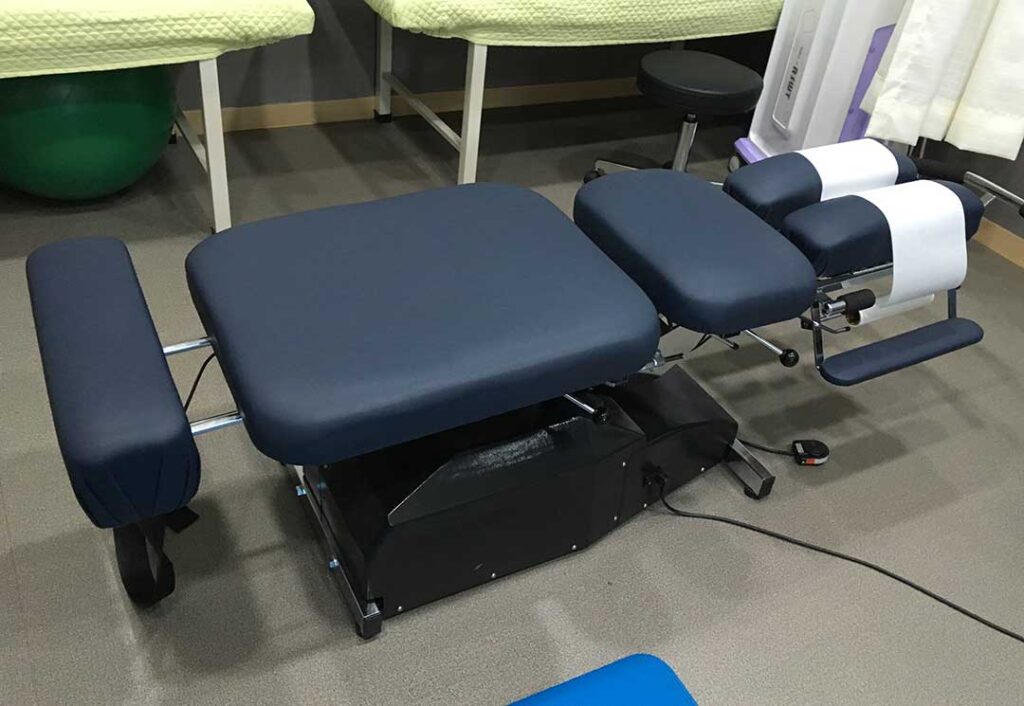
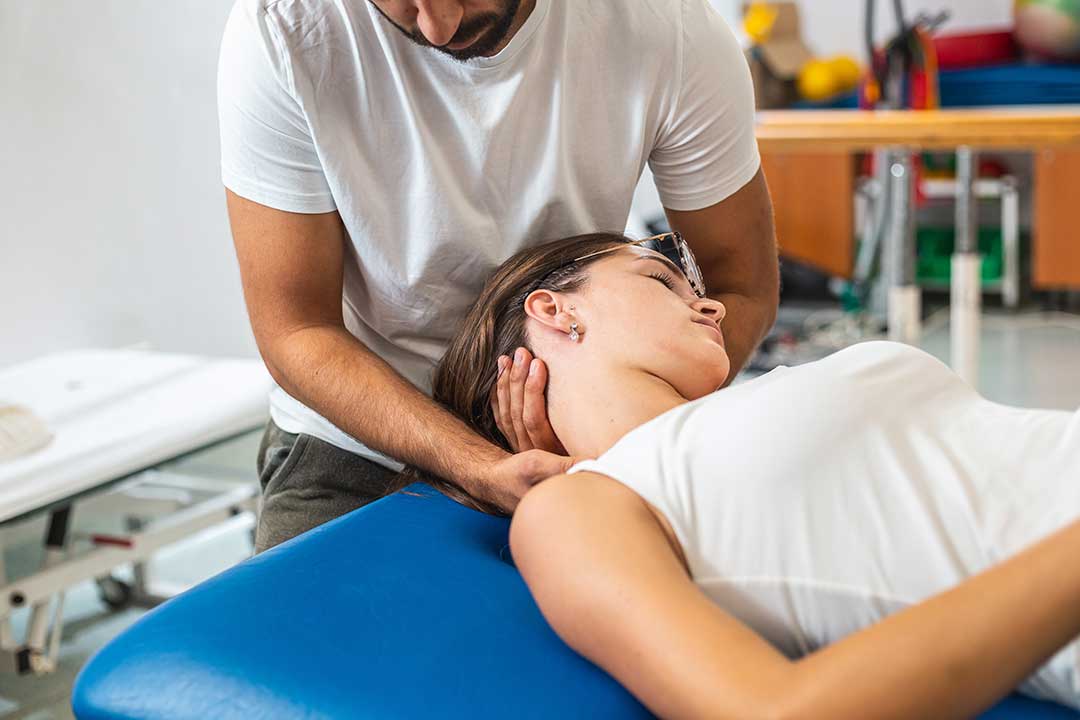
Chiropractic care may be considered by some pregnant patients, but it should not replace obstetric evaluation. Anyone considering spinal or pelvic treatment should first discuss it with the pregnancy care team and clearly disclose the pregnancy, symptoms, medical history, and any restrictions. Treatment should be gentle, adapted to pregnancy, and provided by a licensed practitioner familiar with prenatal care. Forceful techniques, unassessed manipulation, or treatment performed despite warning signs are not appropriate.
Should medication be used for pregnancy back pain?
Do not begin pain medication, including over-the-counter products, without checking with an obstetric care provider. The safety of a medication can depend on the pregnancy stage, dose, other medicines, allergies, and medical history.
Avoid assuming that a product is safe because it is labeled “natural,” topical, or available without a prescription. Some creams, supplements, and anti-inflammatory medicines may not be appropriate during pregnancy.
When does back pain require prompt medical attention?
Contact the pregnancy care team promptly for severe pain, pain that persists for more than two weeks, pain following a fall, or symptoms that interfere with walking or sleep.
Seek urgent guidance if back pain occurs with:
- Vaginal bleeding or fluid leakage
- Fever or chills
- Burning or pain during urination
- Pain in the side or below the ribs
- Regular cramping or contractions
- New pelvic pressure
- Severe abdominal pain
- Numbness, weakness, or loss of feeling in the legs, buttocks, or genital area
Back pain can sometimes be associated with a urinary infection, early labor, nerve compression, or another condition requiring medical attention. Prompt evaluation is safer than trying to manage these symptoms at home.
What is a practical first step?
For mild pain without warning signs, begin with a short period of comfortable movement, supportive sitting, side-lying with pillows, and carefully limited warmth or cold. Keep track of what worsens the pain, such as lifting, prolonged standing, or certain sleeping positions.
If symptoms continue, an obstetric care provider can help determine whether the problem is muscular, pelvic, neurological, or related to another pregnancy condition. A physical therapist or appropriately trained chiropractor may be considered when medically appropriate, but pregnancy-related warning signs should always be evaluated first.
