
Knee pain can often be reduced without medication by combining temporary activity changes, gentle movement, strength exercises, and attention to swelling or irritation. The right approach depends on whether the discomfort comes from overuse, arthritis, a minor strain, muscle weakness, or an injury.
What can cause knee pain?
Knee pain may develop gradually or begin suddenly. Common causes include osteoarthritis, tendon irritation, bursitis, muscle strain, a sprain, kneecap tracking problems, and injuries involving cartilage or ligaments.
The location and behavior of the pain can offer clues:
- Pain around the kneecap may worsen with stairs, squatting, or prolonged sitting.
- Pain on the inner or outer side may follow a twisting movement or repetitive activity.
- Stiffness after resting may occur with arthritis or irritation in the joint.
- Swelling after activity can signal inflammation or a recent injury.
- Pain that causes locking, buckling, or an inability to bear weight deserves closer evaluation.
Knee pain should not be treated as a single condition. A strategy that helps mild overuse pain may be inappropriate after a fall, a collision, or a significant twist.
Should activity be stopped completely?
Usually, no. Short-term rest from aggravating activities can help, but complete inactivity may increase stiffness and weakness. A better approach is relative rest: reduce movements that clearly worsen symptoms while continuing comfortable, low-impact activity.
For example, someone who develops pain after repeated stair climbing may temporarily choose level walking, gentle cycling, or water-based exercise if those activities remain comfortable. In homes with stairs, carrying smaller loads and avoiding repeated trips can reduce strain while the knee settles.
Use pain as a guide. Mild discomfort during movement may be acceptable, but sharp pain, increasing swelling, limping, or symptoms that remain worse for hours afterward suggests that the activity was too demanding.
How can ice, heat, and elevation help?
Cold can help reduce swelling and soreness after a recent flare-up or activity. Place a cold pack wrapped in a thin towel over the knee for about 15 to 20 minutes. Do not apply ice directly to the skin, and allow the skin to return to normal temperature before repeating the treatment.
Heat may be more useful for stiffness, particularly before gentle movement. A warm shower or heating pad set to a comfortable temperature can help the muscles and joint feel less restricted. Heat should not be used over a newly swollen, hot, or visibly inflamed knee.
If swelling is present, elevating the leg on pillows for short periods may provide additional comfort. Avoid placing a pillow directly behind the knee for long periods, since keeping the knee bent continuously can increase stiffness.
Which exercises are safest to begin with?
Gentle strengthening is one of the most useful non-medication approaches for recurring knee pain. Stronger muscles around the hip and thigh help control the knee during walking, stairs, and standing.
Begin with slow, controlled movements that do not create sharp pain:
- Quadriceps tightening: Lie or sit with the leg straight. Tighten the muscles on the front of the thigh while pressing the knee gently downward. Hold for five seconds, then relax.
- Straight-leg raises: With one knee bent and the other leg straight, tighten the thigh and slowly lift the straight leg a short distance. Lower it with control.
- Supported sit-to-stand: Use a stable chair. Rise slowly and sit down without dropping into the seat. Keep the knees aligned over the feet.
- Calf and hamstring stretches: Hold a gentle stretch for 20 to 30 seconds without bouncing.
- Low-impact walking: Start with a brief, comfortable walk on an even surface and increase time gradually.
Performing fewer repetitions with good form is preferable to forcing a long workout. If an exercise causes swelling, instability, or worsening pain the next day, stop that movement and reduce the overall workload.
Can body weight affect knee discomfort?
Yes. The knees absorb substantial forces during standing and walking, so additional body weight can increase the mechanical demand on the joint. Even modest, gradual weight reduction may lessen stress on weight-bearing joints for some people.
Weight management does not require extreme dieting. Regular meals built around vegetables, fruits, beans, lean proteins, whole grains, and appropriate portions can support steady changes. Combining nutrition improvements with tolerable activity is generally more sustainable than relying on either approach alone.
Weight is only one factor. A person at any body size can have knee pain caused by injury, arthritis, muscle weakness, or movement habits.
What everyday habits can reduce knee strain?
Small adjustments may help the knee cope with daily demands:
- Wear supportive, comfortable shoes for walking and standing.
- Avoid prolonged kneeling or use a cushion when the task requires it.
- Turn the whole body instead of twisting sharply while the foot remains planted.
- Use handrails on stairs when pain or balance is a concern.
- Break up long periods of sitting with brief, easy movement.
- Increase outdoor walking gradually during colder months, when stiff muscles and slippery surfaces may increase fall risk.
- Keep walkways, entry areas, and steps clear during wet, icy, or stormy conditions.
A temporary reduction in deep squats, jumping, running, or repeated stair use may be appropriate during a flare-up. These activities can be reintroduced gradually once normal walking is comfortable.
When should knee pain be evaluated promptly?
Seek urgent medical attention if the knee is visibly deformed, becomes severely swollen soon after an injury, cannot bear weight, or cannot bend or straighten. Prompt evaluation is also appropriate after a significant fall or twisting injury, especially if the knee locks, repeatedly gives way, or pain is severe.
A hot, red, swollen knee accompanied by fever or feeling unwell may indicate infection or another condition requiring urgent care. New numbness, marked weakness, or pain that rapidly worsens should not be managed only with home exercises.
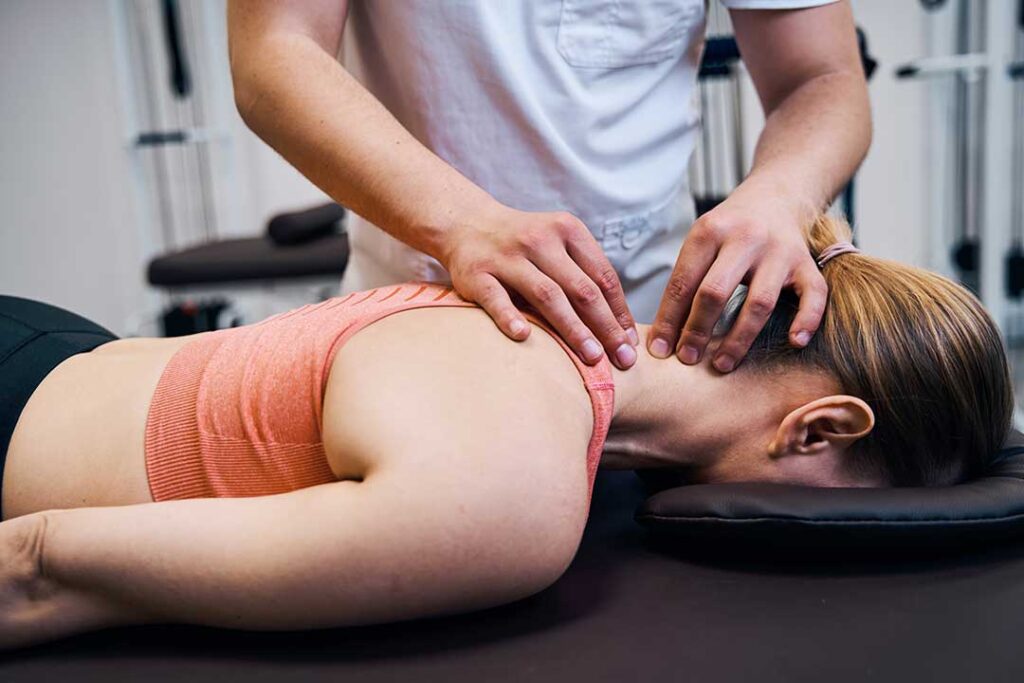
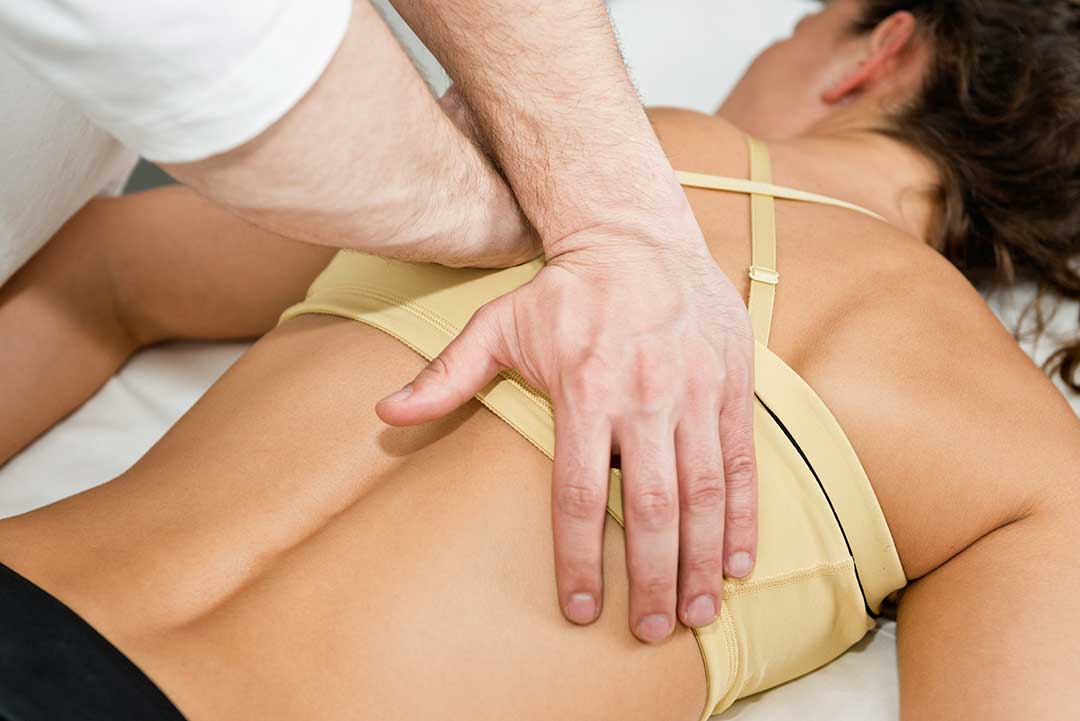
For less urgent symptoms, arrange an evaluation if pain persists for several weeks, repeatedly returns, interferes with sleep, or limits ordinary activities. A chiropractor, physical therapist, primary care clinician, or other qualified health professional may help determine whether the problem involves the joint, muscles, nerves, or movement patterns. The purpose is not simply to reduce pain, but to identify what is driving it and choose exercises that are appropriate for the condition.
What is a realistic recovery plan?
For mild, uncomplicated knee pain, begin with relative rest, comfortable movement, and brief cold or heat applications based on symptoms. Add gentle strengthening as tolerated, then increase walking or other activities in small steps.
Track three details for several days: what activity triggers pain, whether swelling appears, and how the knee feels the following morning. This information can reveal whether the routine is helping or progressing too quickly.
Medication-free care is most effective when it is consistent and individualized. The goal is not to push through pain, but to restore comfortable movement while responding early to signs that the knee needs a different approach.
