

A “subluxation” can mean different things depending on who is using the term. In medical care, it usually describes a partial loss of normal joint alignment that may be visible on imaging. In chiropractic care, the word may describe a functional problem involving how a spinal joint moves, rather than a bone that has dramatically slipped out of place.
Understanding that distinction matters because the term can sound more serious—or more certain—than the available evidence supports.
What does subluxation mean?
In the traditional medical sense, a subluxation is a partial dislocation. The joint surfaces remain partly in contact, but their normal relationship has changed. This type of injury may occur after a fall, collision, sports injury, or other significant force.
In chiropractic terminology, “vertebral subluxation” is often used differently. It may refer to a spinal segment that is stiff, irritated, painful, or not moving normally. This use generally describes a functional or biomechanical finding, not necessarily a major structural displacement.
That difference should be explained clearly during an evaluation. A person who hears that a vertebra is “out of place” may reasonably imagine a serious dislocation. In many everyday chiropractic discussions, however, the phrase is being used to describe altered movement or joint mechanics rather than a visibly displaced bone.
Why does the term matter?
The terminology matters because it affects expectations, testing, and treatment decisions. A structural partial dislocation can require urgent medical assessment, especially if it follows trauma. A mild movement restriction or irritated joint may be managed conservatively, depending on the symptoms and examination findings.
The word itself does not determine how serious a condition is. Severity depends on factors such as:
- How the problem began
- Whether there was a fall, crash, or direct blow
- The location of pain
- Changes in strength, sensation, or coordination
- Whether symptoms are improving or worsening
- Findings from a physical examination or imaging when appropriate
Pain does not always mean a joint is displaced, and a joint that looks unusual on an image does not always explain a person’s symptoms. The most useful assessment connects the history, examination, and—when needed—imaging findings.
What symptoms might be associated with a spinal movement problem?
A person with a painful or restricted spinal joint may notice localized soreness, stiffness, reduced range of motion, muscle guarding, or pain that changes with posture and activity. Some people describe discomfort after sitting for a long period, lifting, sleeping in an awkward position, or turning the head.
In the neck or upper back, symptoms may include:
- Stiffness when looking over the shoulder
- Pain with prolonged computer or phone use
- Tender muscles around the shoulder blades
- Headaches that appear to be related to neck tension
In the lower back, people may report pain when rising from a chair, bending, walking, or remaining in one position. These symptoms can also arise from muscle strain, irritated joints, disc problems, arthritis, or other causes. There is no single symptom that proves a subluxation is present.
Numbness, tingling, weakness, balance problems, or pain traveling into an arm or leg deserve particular attention because they may indicate nerve involvement.
Can poor posture cause a subluxation?
Poor posture can place extra stress on muscles and joints, but it does not automatically mean that a vertebra has become displaced. Sitting for long periods, leaning over a laptop, carrying a heavy bag on one side, or looking downward at a phone may contribute to stiffness and discomfort.
This can be relevant for local residents who commute, work at desks, drive frequently, or spend long winter periods indoors. Cold weather itself does not move a spinal bone out of position, although reduced activity, tense muscles, and changes in daily routines can make existing stiffness more noticeable.
Posture is also not a fixed condition. A person may have a rounded sitting position for part of the day and still have a healthy, adaptable spine. Movement variety, regular activity, adequate sleep, and appropriate strengthening often matter more than trying to hold one rigid “perfect” posture.
How is a suspected subluxation evaluated?
An evaluation typically begins with questions about the onset, location, duration, and behavior of symptoms. The examiner may assess spinal movement, muscle tenderness, strength, reflexes, sensation, walking, and other relevant functions.
Imaging is not automatically necessary for ordinary back or neck pain. X-rays or other studies may be considered when there has been significant trauma, unusual symptoms, persistent problems, or concern about fracture, infection, inflammatory disease, cancer, or another condition requiring different care.
A careful evaluation should also consider common explanations such as muscle strain, joint irritation, disc-related pain, arthritis, or nerve compression. A label should not replace a broader clinical assessment.
Is an adjustment used to treat subluxation?
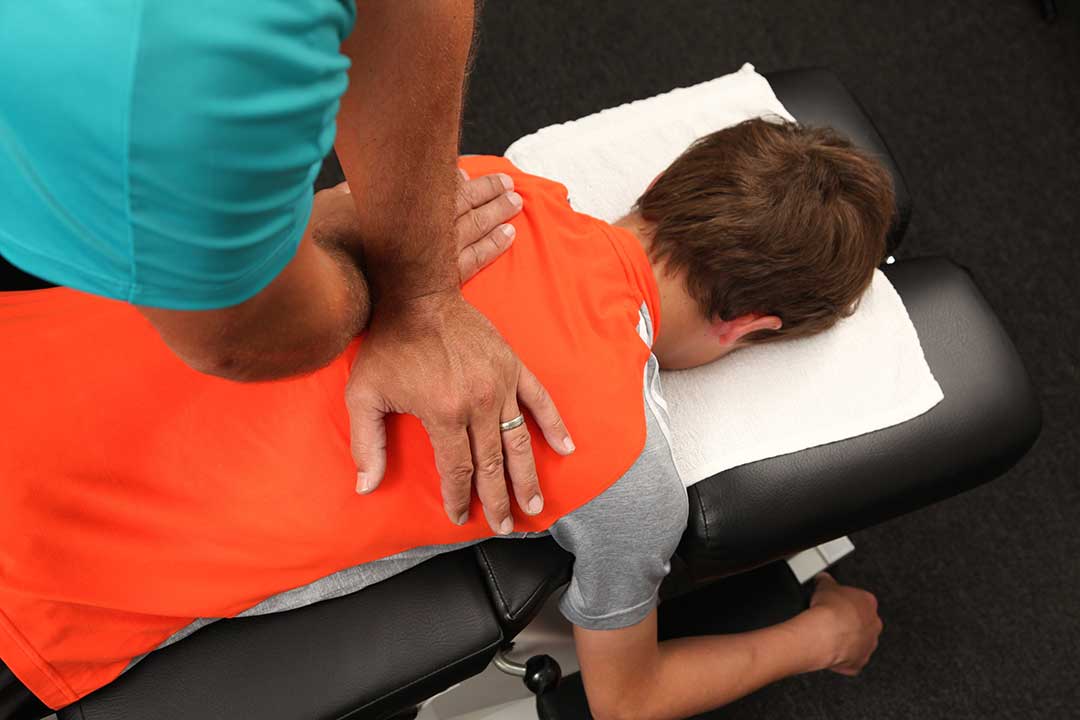
Spinal manipulation, sometimes called an adjustment, is one treatment used in chiropractic care and by some other licensed health professionals. It involves a controlled movement of a joint and may be combined with exercise, mobility work, education, or other conservative approaches.
Research suggests that spinal manipulation may provide modest short-term improvement for some people with low-back pain. Results vary, and it is not appropriate for every condition. It should not be presented as a universal correction for all health problems or as proof that every symptom comes from a misaligned vertebra.
Temporary soreness, stiffness, or fatigue can occur after manipulation. Serious complications are uncommon, but risk may be higher in certain situations, including recent major trauma, suspected fracture, severe osteoporosis, some inflammatory conditions, or significant neurological symptoms. A complete health history helps determine whether manipulation is reasonable.
When should symptoms be treated as urgent?
Immediate medical evaluation is appropriate after a serious fall, motor-vehicle collision, or direct blow when there is severe pain, deformity, or inability to move normally.
Urgent attention is also warranted for back or neck pain accompanied by:
- New or progressive weakness
- Loss of bladder or bowel control
- Numbness around the inner thighs or groin
- Major trouble walking or maintaining balance
- Fever or unexplained illness
- Unexplained weight loss
- Severe pain that is rapidly worsening
- A history of cancer, major immune suppression, or significant bone disease
These signs do not prove a subluxation. They indicate that other causes need to be considered promptly.
What is the practical takeaway?
“Subluxation” is not a single, universally used diagnosis. In medicine, it generally refers to partial joint dislocation. In chiropractic settings, it may describe altered spinal movement or function. Asking which meaning is intended—and what findings support it—can make the conversation more precise.
For residents of Lynbrook, everyday back and neck discomfort often relates to lifting, work positions, commuting, household tasks, exercise changes, or seasonal inactivity. A sensible approach is to focus on the actual symptoms, functional changes, examination findings, and safety concerns rather than assuming that every ache represents a bone being out of place.
